

Best Bug Tracking products
Bug tracking involves identifying, documenting, and managing software defects to enhance product quality. We can assist in finding effective tools and solutions tailored to your project's needs.
Freemium
Jam
Screenshot-based bug reporting with auto-captured technical details.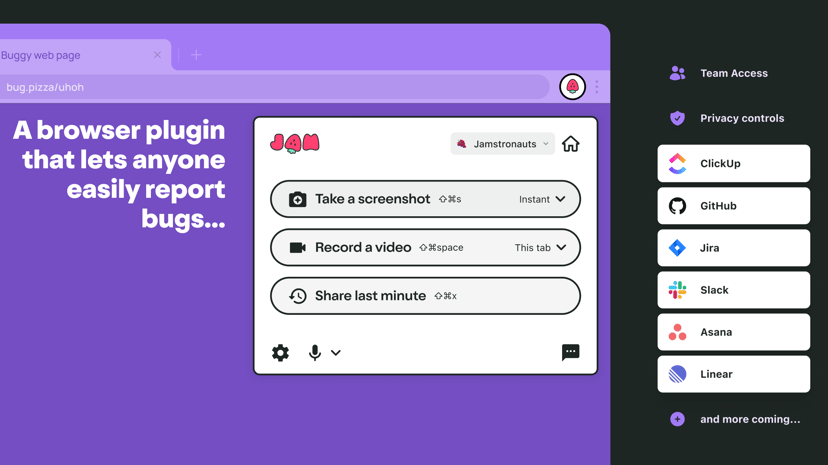
Freemium
Repodex
AI-powered tool for code analysis, bug resolution, and optimization.
Freemium
Retack AI
Real-time error tracking and AI-powered code fixes for applications.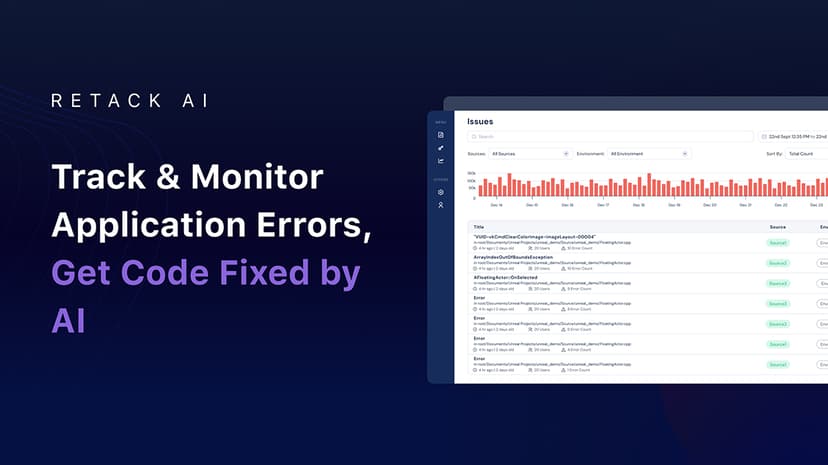
Freemium
Shake
Unified bug and crash reporting for mobile apps and websites.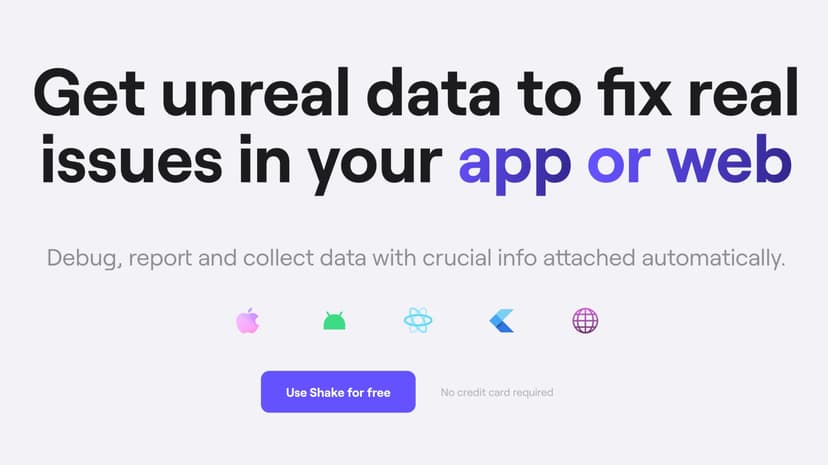
Freemium
Goast.ai
AI assistant for automated bug fixing and root cause analysis.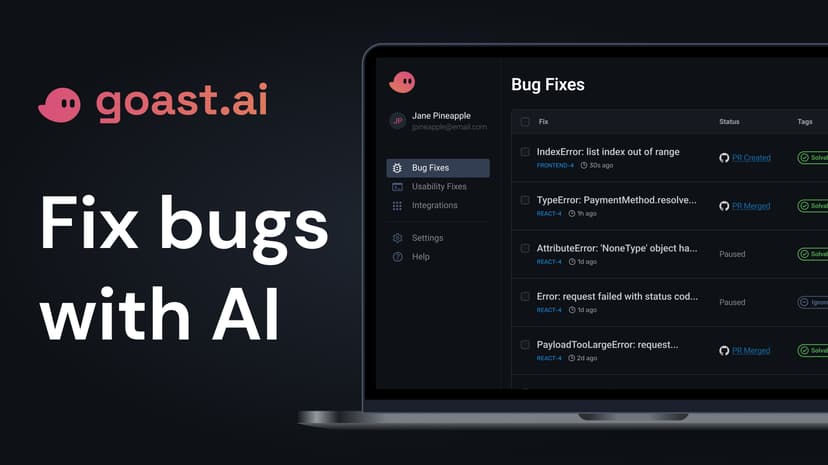
Paid
Sweep
AI assistant converting GitHub issues into pull requests effortlessly.Product
Decipher AI
AI-powered platform for efficient bug detection and analysis.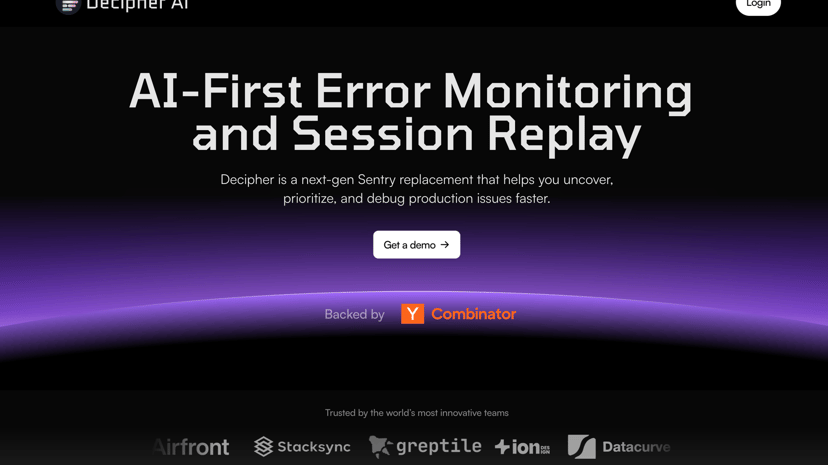
Freemium
ZenTao
Comprehensive open-source project management tool for agile teams.
Freemium
TrackJS
JavaScript error monitoring with real-time reports and insights.
Freemium
Shakebug
Bug and crash reporting tool for Android and iOS.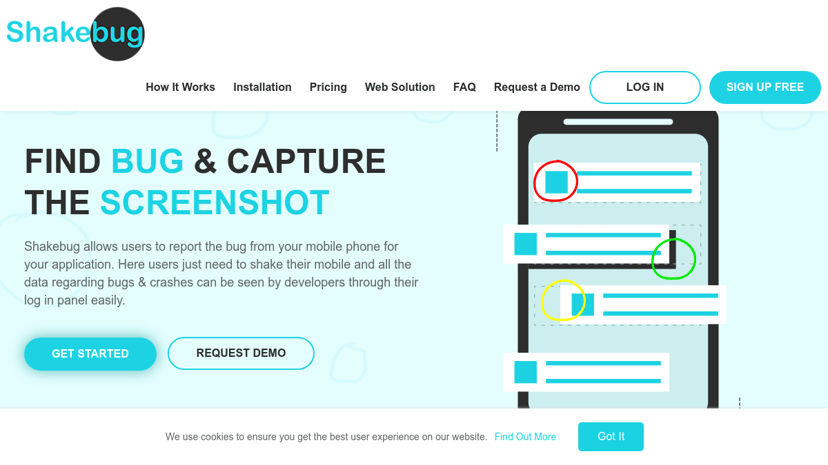
Bug Tracking: Essential for Successful Project Management
Understanding Bug Tracking
Bug tracking refers to the process of identifying, documenting, and managing software bugs effectively. Bugs, also known as defects or issues, can occur at various stages of software development. They range from minor cosmetic defects to critical errors that hinder functionality. The central goal of bug tracking is to ensure that these bugs are addressed and resolved in a timely and organized manner.
Why Bug Tracking Is Crucial
Effective bug tracking plays a crucial role in project management, quality assurance, and customer satisfaction. Here’s why adopting a systematic bug tracking approach is beneficial:
-
Enhanced Productivity: Bug tracking tools streamline the process of identifying and addressing defects, leading to quicker resolutions. Developers and testers can collaborate more effectively, reducing the time spent on troubleshooting and resolution.
-
Improved Quality: Having a formalized bug tracking process ensures that bugs are caught and fixed promptly, leading to a higher quality software product. This contributes to a stable and reliable user experience.
-
Accountability and Transparency: Bug tracking systems provide detailed records of reported bugs, their status, and the actions taken to resolve them. This transparency builds accountability within the team and ensures that nothing slips through the cracks.
-
Customer Satisfaction: Timely resolution of bugs ensures that users experience fewer issues, leading to better satisfaction and loyalty. Systematic tracking of user-reported bugs helps in prioritizing and addressing customer concerns efficiently.
Common Features in Bug Tracking Tools
When selecting a bug tracking system, several key features stand out. Understanding these features helps in choosing the right tool that aligns with specific project needs:
-
Bug Reporting: The ability to log and report bugs accurately is fundamental. This includes capturing details like bug description, screenshots, steps to reproduce, expected and actual results, and severity levels.
-
Workflow Management: Effective bug tracking tools offer customizable workflows to manage the lifecycle of a bug—from identification to resolution. These workflows help in tracking the status of a bug and assigning them to the appropriate team members.
-
Collaboration: Integration with communication tools and platforms is essential for collaborative efforts. Features like comments, tagging team members, and notifications ensure that everyone stays informed and engaged.
-
Search and Filters: Powerful search and filtering options help in quickly locating specific bugs based on various criteria such as status, severity, assignee, or creation date. This enhances efficiency in managing large volumes of bugs.
-
Reports and Analytics: Detailed reporting and analytics capabilities provide insights into the trends and patterns of bugs. Metrics like the number of bugs reported, resolved, and outstanding can aid in better decision-making and resource allocation.
-
Integration with Other Tools: Seamless integration with version control systems, project management tools, and CI/CD pipelines helps in maintaining a synchronized development environment.
Considerations When Choosing a Bug Tracking Tool
Selecting the right bug tracking tool depends on specific project requirements and team dynamics. Here are a few considerations to keep in mind:
-
User-Friendly Interface: A tool with an intuitive interface ensures that team members can adopt it quickly without a steep learning curve.
-
Scalability: Ensure that the tool can handle the size and complexity of your projects as they grow. Scalability is crucial for long-term success.
-
Cost: Evaluate the cost against the features offered. Both open-source and commercial tools are available, and sometimes a simple solution might suffice for smaller teams.
-
Customization and Flexibility: The ability to customize fields, workflows, and notifications can tailor the tool to match your specific needs.
-
Support and Documentation: Availability of robust support and comprehensive documentation is invaluable, especially when facing technical issues or needing to train new team members.
Conclusion
Bug tracking is an indispensable practice in software development, contributing to improved quality, higher productivity, and better customer satisfaction. By understanding the common features and considerations, teams can choose the right bug tracking tool that aligns with their project needs and business goals. Effective bug tracking fosters a collaborative environment and ensures a streamlined approach to managing software development challenges.