

Best Business Process Management products
Business Process Management (BPM) enhances organizational efficiency by optimizing workflows. We can assist in identifying the best BPM solutions tailored to your specific needs for streamlined operations.
Freemium
QuickFiling
One-stop platform for expedited immigration petition services.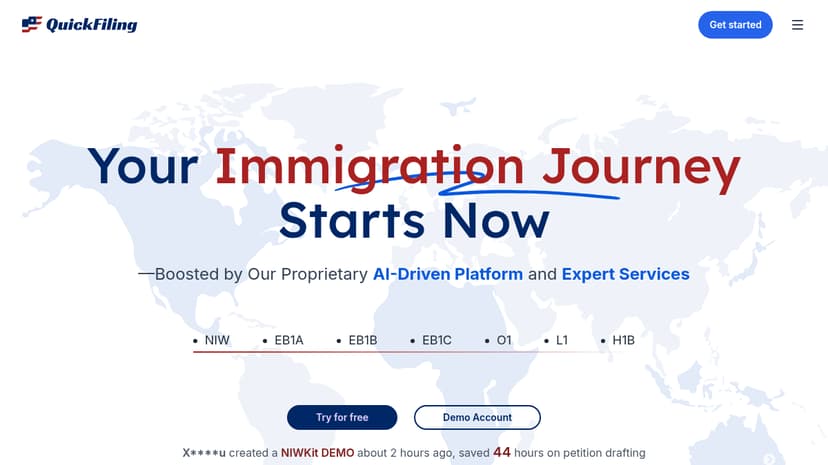
Product
e2open
Connected supply chain software enhancing efficiency and sustainability.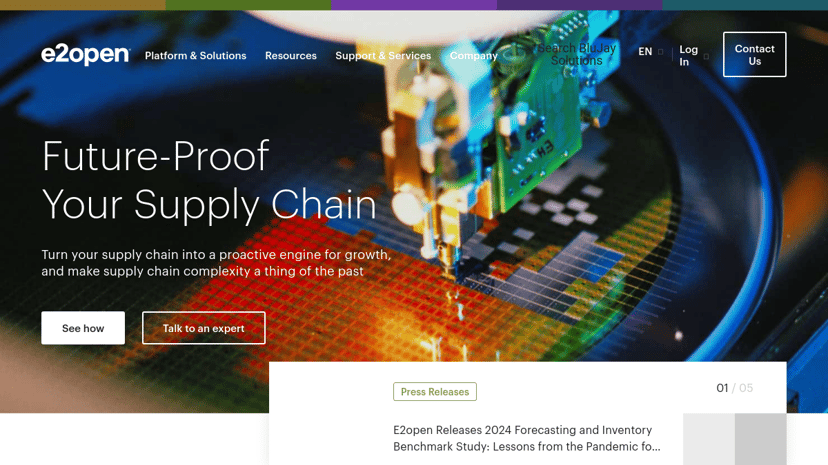
Freemium
Skan
AI-powered Process Intelligence for productivity and operational efficiency.
Freemium
Software AG
Digital transformation solutions for integration, IoT, and business processes.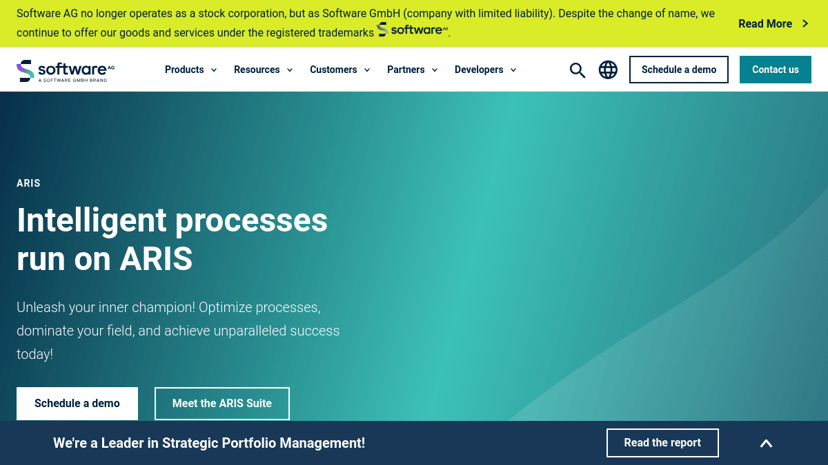
Custom Pricing
Capably
Enterprise AI platform for productivity and operational automation.Freemium
Flowable
Low-code platform for business process automation and workflow optimization.
Custom Pricing
IOTA
ERP and CRM development for business automation and management.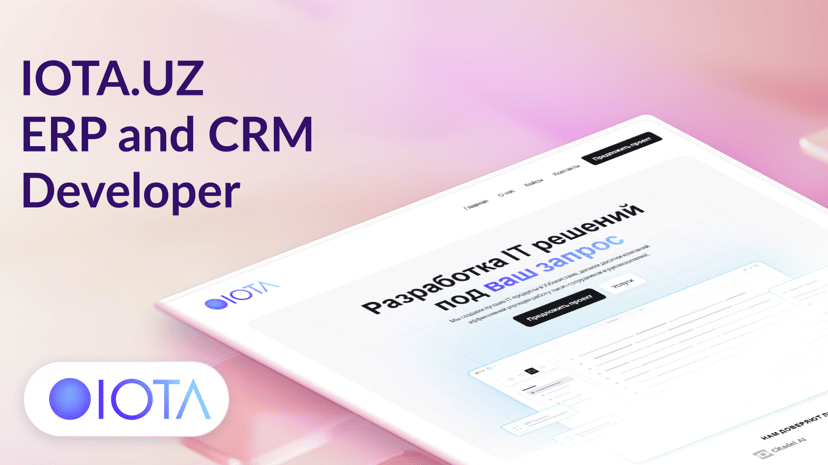
Understanding Business Process Management
Business Process Management (BPM) refers to a systemic approach to improving and optimizing an organization’s processes. It encompasses the design, implementation, execution, monitoring, and refinement of business processes, allowing organizations to create more efficiency and effectiveness within their operations. At its core, BPM aims to enhance organizational performance by streamlining processes, eliminating redundancies, and ensuring that resources are allocated efficiently.
Why Use Business Process Management?
Utilizing BPM provides several advantages that can significantly benefit organizations of any size. One key advantage is improved efficiency. By analyzing and refining processes, organizations can reduce operational bottlenecks, leading to quicker turnaround times and better resource utilization.
Secondly, BPM enhances transparency. With clear documentation and visualization of processes, employees have a better understanding of their roles and responsibilities, which can improve collaboration and communication within teams. Additionally, BPM facilitates compliance and standardization by ensuring that processes adhere to industry regulations and internal policies.
Finally, BPM can lead to cost savings. Streamlined processes often result in lower operational costs, as time and resources are used more effectively. Organizations can also benefit from data-driven insights gained through process monitoring, allowing them to make informed decisions for continuous improvement.
Common Features of BPM Software
When exploring BPM solutions, several common features are usually included that contribute to their effectiveness:
-
Process Modeling: Allows organizations to visualize and design workflows, helping to identify inefficiencies or areas for improvement.
-
Automation: Automating repetitive tasks not only speeds up processes but also minimizes human errors, leading to more consistent outcomes.
-
Performance Monitoring: Provides tools to track the performance of processes in real-time, enabling organizations to gauge efficiency and identify potential issues before they escalate.
-
Collaboration Tools: Facilitates communication among team members, making it easier to manage projects and share information.
-
Reporting and Analytics: Offers insights through data analysis, helping organizations understand the effectiveness of processes and make informed decisions for future improvements.
Choosing the Right BPM Product
Selecting a BPM product involves careful consideration of several factors. Organizations should first assess their specific needs and goals to ensure that the product aligns with their objectives. Scalability is another vital aspect; as business requirements evolve, the chosen BPM solution should be capable of adapting to changing demands.
User-friendliness plays a significant role as well. A product should be easy to navigate, ensuring that employees can quickly learn to use it without extensive training. Integration capabilities are also important since the BPM tool should seamlessly connect with existing systems and applications in the company.
Cost is a crucial factor for many organizations. Understanding the pricing structure, including any hidden fees or additional costs for upgrades, can solidify the decision-making process.
Conclusion
BPM is an essential practice for those looking to enhance their organizational efficiency and effectiveness. By embracing BPM, businesses can not only improve their processes but also gain valuable insights that lead to better decision-making.
If navigating the array of BPM products feels overwhelming, there are platforms available that can assist. These resources provide a directory of top BPM products, detailing each product’s features, pricing, and comparisons with competitors and alternatives. This can help organizations identify the best fit for their unique needs, enabling more informed choices and ultimately progressing towards business goals.