

Best Collaboration products
Collaboration involves working together to achieve common goals, leveraging diverse skills and ideas. We help you discover top products that enhance teamwork and improve communication within your projects.
Freemium
MagicDocs
AI-powered tool for efficient document summarization and organization.
Freemium
ftrack
Track, review, and manage creative projects efficiently.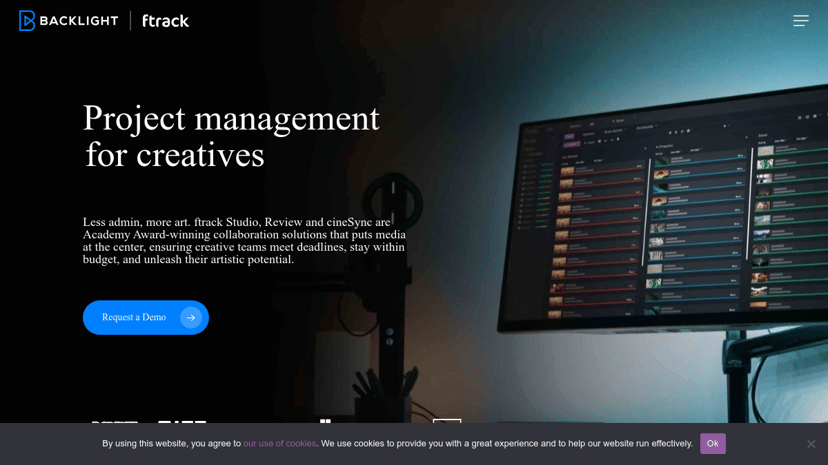
Freemium
Jam
Screenshot-based bug reporting with auto-captured technical details.
Freemium
Whimsical
Collaborative tool for product design, flowcharts, and wireframing.
Freemium
Docuopia
AI-powered tool for efficient document writing and editing.
Custom Pricing
Cogram
AI tool for automating meeting minutes and project reports.
Freemium
Unblocked
Unblocked enhances code understanding using contextual insights from tools.
Freemium
Drawboard
Real-time PDF markup and collaboration tools for multiple devices.
Freemium
Prototyper
Generative UI platform for seamless prototyping and design collaboration.
Freemium
Wipster
Video review platform for feedback and collaboration on projects.
Freemium
SwiftBoard
Lightweight project management tool for indie developers.
Freemium
airfocus
Modular product management platform for strategy, prioritization, and collaboration.
Freemium
Streak
Gmail-integrated CRM for managing contacts and workflows seamlessly.
Freemium
Macro
AI-powered cloud workspace for document editing and collaboration.
Free
LibreOffice
LibreOffice is a free, open-source office suite software.
Paid
wAnywhere
AI-based desktop monitoring software for productivity and compliance.
Freemium
OnStage
Event planning and song management tool for bands and ministries.
Freemium
Bluedot
AI-powered Chrome extension for automated meeting note-taking.
Freemium
Komodo
Unlimited screen recording, interactive guides, and AI features.Freemium
Zenkit
Multi-project management tool for Agile and traditional methodologies.
Freemium
Spike
Unified platform for chat, email, meetings, and collaboration.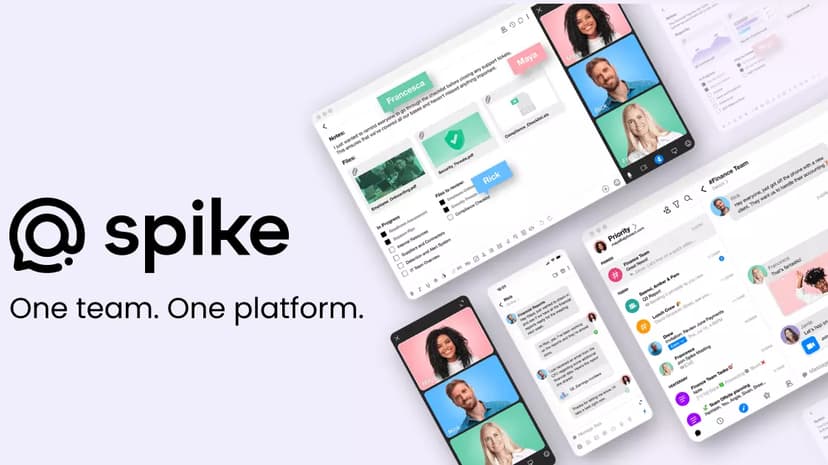
Custom Pricing
LogicalDOC
Comprehensive document management system for efficient business processes.Freemium
QuickReviewer
Streamline creative workflows with collaborative online proofing software.
Freemium
Workflow
Minimalist collaboration platform for managing creative work seamlessly.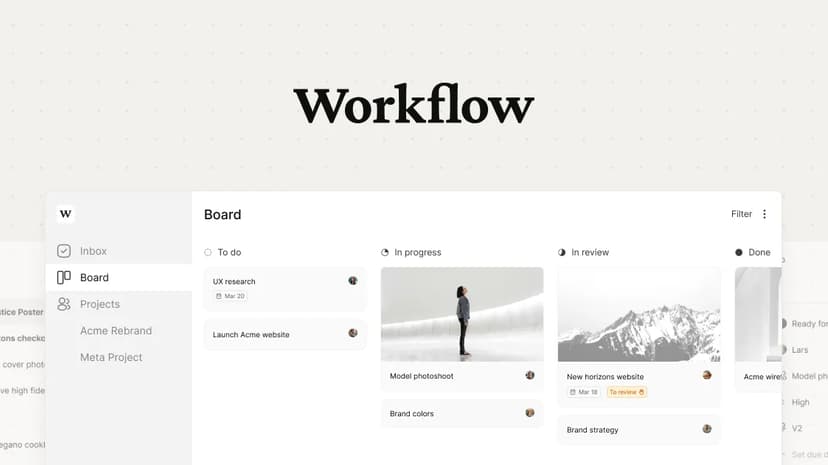
Freemium
Frederick AI
AI-powered platform for launching and prototyping startup ideas.
Free
NetworkDLS
Open-source development platform with tools and technical articles.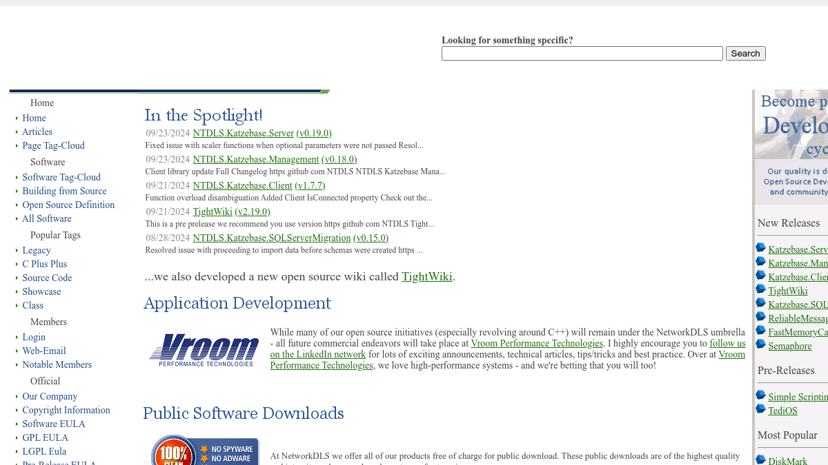
Product
Wandrly
Collaborative travel list planner with customizable tags and icons.
Freemium
GitHub
Collaborative platform for code management, security, and automation.
Freemium
Axcent
Collaborative AI platform for enhanced writing and brainstorming.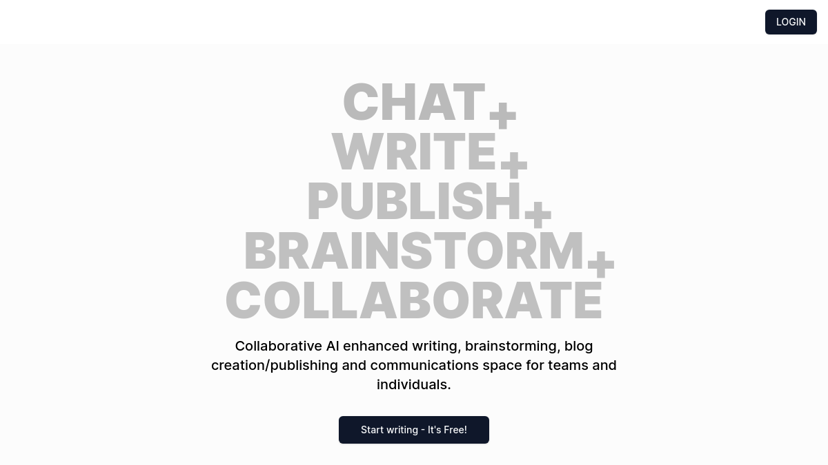
The Importance of Collaboration in Today’s World
Collaboration is an essential aspect of both personal and professional environments today. At its core, collaboration involves individuals working together to achieve a common goal, bringing together diverse perspectives and skills. This process not only enhances creativity but also fosters a sense of shared responsibility and teamwork. As workplaces become more interconnected and projects grow in complexity, the need for effective collaboration tools becomes increasingly apparent.
Benefits of Collaboration
The primary benefit of collaboration lies in its ability to harness the strengths and talents of each team member. By promoting an open exchange of ideas, collaboration encourages innovation and problem-solving. It allows groups to efficiently tackle complicated projects, leading to higher quality outcomes. Furthermore, a collaborative environment promotes better communication, reduces misunderstandings, and helps build stronger relationships among team members.
In business, effective collaboration can increase productivity and streamline workflows. Teams equipped with the right collaboration tools can manage tasks more effectively, track progress in real-time, and ensure that everyone stays aligned with the project goals. Additionally, collaboration can enhance engagement, as employees feel more valued when their input is recognized and utilized.
Common Features of Collaboration Tools
When considering collaboration tools, there are several key features that should be taken into account. Effective tools typically include:
- Real-Time Communication: Instant messaging or chat features allow team members to communicate promptly, reducing delays in decision-making.
- File Sharing: Easy sharing and access to documents, presentations, and other media is critical to keeping everyone on the same page.
- Task Management: Features that enable users to assign, track, and manage tasks help ensure accountability and clarity in responsibilities.
- Video Conferencing: As remote work becomes increasingly common, robust video conferencing capabilities facilitate face-to-face interaction, no matter the distance.
- Integration Options: A good collaboration tool should seamlessly integrate with other software and platforms that the team uses, enhancing overall workflow efficiency.
Choosing the Right Collaboration Tool
When selecting a collaboration tool, several factors warrant consideration. It is essential to assess the specific needs of your team or organization. Consider the size of your team, the nature of your projects, and the primary modes of communication you prefer. Additionally, look for user-friendliness; a tool that is difficult to navigate can hinder collaboration rather than foster it.
Pricing is another crucial factor. Different tools might offer varied pricing plans based on features and user capacity. Organizations should carefully evaluate the pricing structures and explore whether free trials or demos are available.
Security features are also essential, especially for handling sensitive information. Ensure that the tool complies with industry standards for data protection and privacy.
Lastly, take time to read user reviews and compare available alternatives. Understanding how other organizations have benefited from a tool can provide valuable insights and help with making a more informed decision.
Assistance in Finding the Best Tools
Navigating the myriad of collaboration tools available can seem overwhelming. To ease the process, resources that provide a directory of the best collaboration products can be invaluable. These directories often include comprehensive information on features, pricing, customer reviews, and comparisons with competing products.
By utilizing such resources, individuals and organizations can make well-informed decisions that align with their specific collaboration needs, enhancing their ability to work together effectively. This assistance can ultimately lead to improved teamwork, greater productivity, and the successful attainment of business goals.