

Best Content Management products
Content management involves creating, organizing, and maintaining digital content effectively. We can assist you in discovering the best tools and strategies to optimize your content management process.
Freemium
Layer
Research copilot for extracting insights from complex documents.
Freemium
FreezePage
Freeze web pages for future reference and sharing.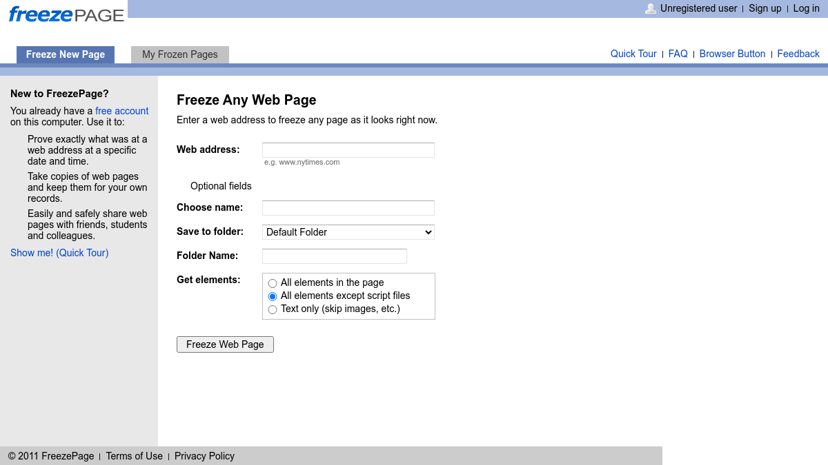
Freemium
ProductShots.ai
AI-powered automation for eCommerce catalog management and image creation.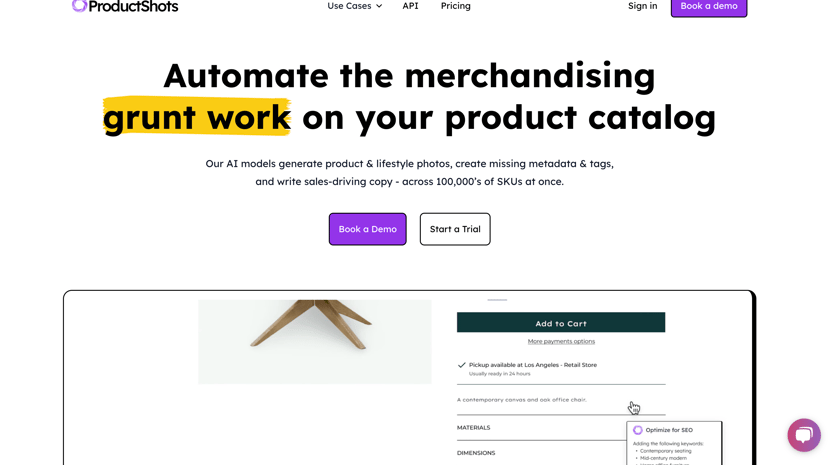
Freemium
QuickFavs
Free online favicon generator for multiple formats and platforms.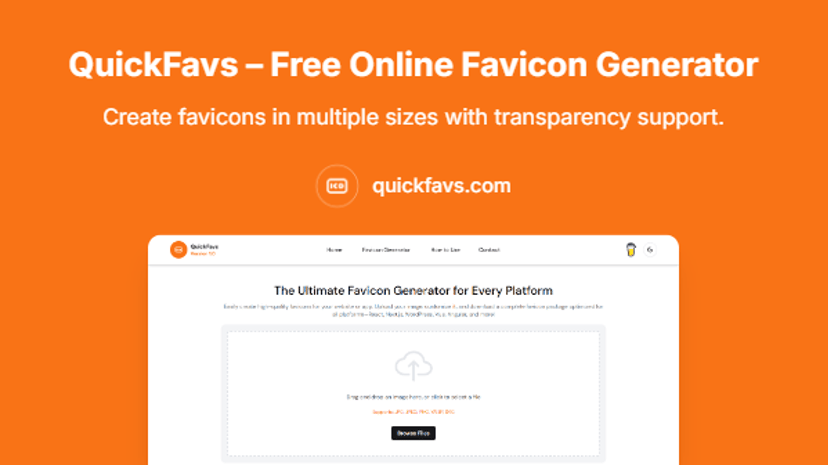
Freemium
Superlines
AI marketing platform optimizing SEO and improving website visibility.
Freemium
Qriginals
AI-generated QR codes with customizable artistic designs.
Custom Pricing
Firsthand
AI platform for brands to control and deploy content.
Paid
Mentioned
Automates email outreach for blog mentions and tracks success.Product
Lootbx
Discover a new productivity tool daily.
Freemium
Stork
AI tools for productivity, writing, design, and data analysis.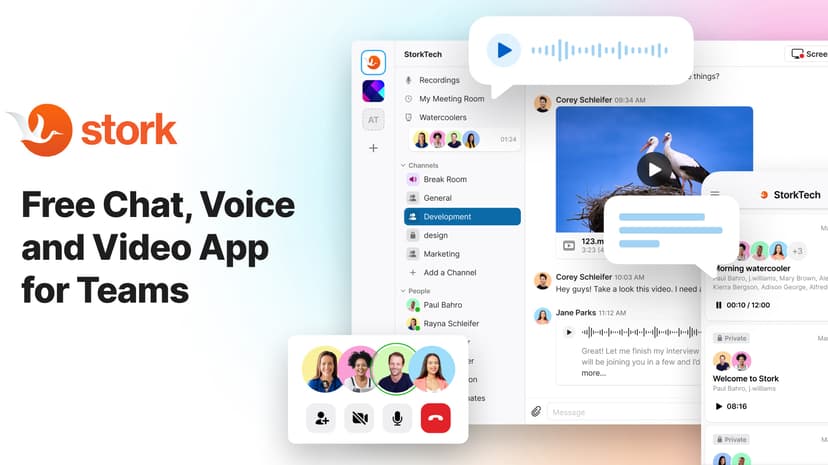
Product
Smidak
Online tools and resources for various tasks and utilities.
Understanding Content Management
Content management encompasses the processes and tools that help individuals and organizations create, store, and manage digital content efficiently. Whether it's for websites, blogs, social media, or other digital platforms, effective content management is crucial for maintaining a consistent and organized digital presence.
The Importance of Content Management
In today's fast-paced digital world, the ability to manage content effectively can significantly impact your business or personal brand. Organized content management helps streamline workflows, ensures that information is up-to-date, and simplifies collaboration among team members. As more businesses shift towards digital platforms, the significance of having a structured content management strategy becomes increasingly clear.
Content management systems (CMS) provide various functions that enhance productivity and enable better communication. By using a CMS, users can create, edit, and publish content without requiring advanced technical skills. This accessibility empowers individuals and teams to focus more on content creation rather than getting caught up in the technicalities of web development.
Common Features of Content Management Systems
When considering a content management solution, several features can contribute to a positive user experience and efficient content handling. Here are some essential features to look for:
-
User-Friendly Interface: A straightforward and intuitive interface simplifies the process of managing content. A system that is easy to navigate lowers the learning curve for new users.
-
Collaboration Tools: Collaborative features such as multi-user access, version control, and commenting capabilities enable teams to work together more effectively and track changes over time.
-
Content Publishing Options: A good CMS should offer flexible publishing options, allowing users to schedule posts, publish across multiple platforms, and customize visibility according to user roles.
-
SEO Tools: Built-in tools for search engine optimization (SEO) help ensure that content is discoverable. Features like meta tags, sitemaps, and keyword suggestions can enhance a website's visibility.
-
Analytics and Reporting: Effective content management involves understanding how users interact with your content. Analytics tools provide essential insights that can help improve content strategy and user engagement.
Choosing the Right Content Management System
Selecting the right CMS can significantly influence the effectiveness of content management efforts. It is essential to consider several factors when making this choice:
-
Scalability: As your content needs grow, so should your CMS. Look for a system that can adapt to increased demands without compromising performance.
-
Customization Options: The ability to customize templates and layouts can help in maintaining a brand identity. Choose a system that allows for easy adaptation of the design and functionality.
-
Support and Community: A robust support system and an active user community can be valuable resources. Access to documentation, forums, or customer service can facilitate quick resolution of issues.
-
Budget: Understanding the pricing structure of a CMS is crucial. Some solutions offer free versions, while others might require subscriptions or one-time payments. It's vital to weigh the features offered against the costs involved.
Finding the Best Content Management Solutions
With a vast array of content management products available, navigating the options can feel overwhelming. Our directory simplifies the process by presenting some of the best content management systems on the market, complete with detailed descriptions of their features and pricing. Users can easily compare different products, examine their competitors and alternatives, and find the solution that best fits their needs.
Each option's pros and cons are outlined, allowing for informed decision-making tailored to individual or organizational goals. This makes it easier to select a content management system that aligns with specific requirements, ultimately improving efficiency and effectiveness in managing digital content.