

Best Contract Management products
Contract management involves the systematic handling of contracts throughout their lifecycle. We can help you identify the best products to streamline and enhance your contract management processes.
Freemium
Contractable
Personalized contract generator for various business needs.
Custom Pricing
Ivo
AI-powered software for efficient contract review and negotiation.
Custom Pricing
Lawgeex
Automates contract review and negotiation using artificial intelligence.
Custom Pricing
Trusli
AI-driven contract automation for streamlined reviews and negotiations.
Freemium
fynk
Efficient AI-powered contract management with collaborative features and analytics.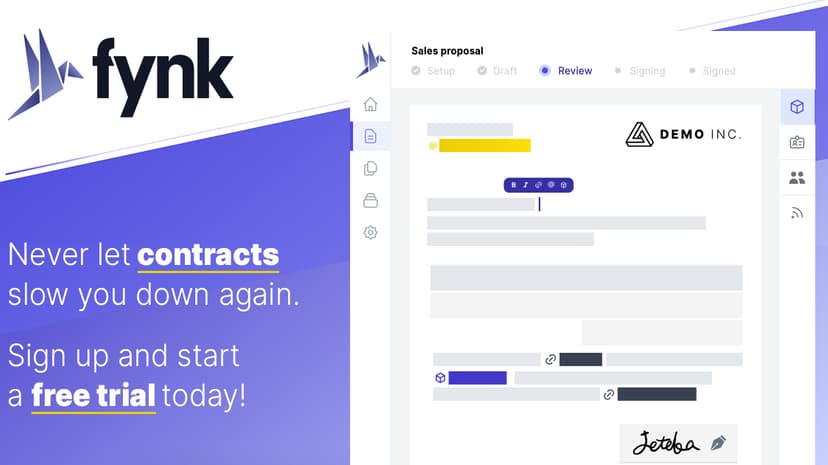
Freemium
Document Crunch
AI-based solutions for construction contract review and risk management.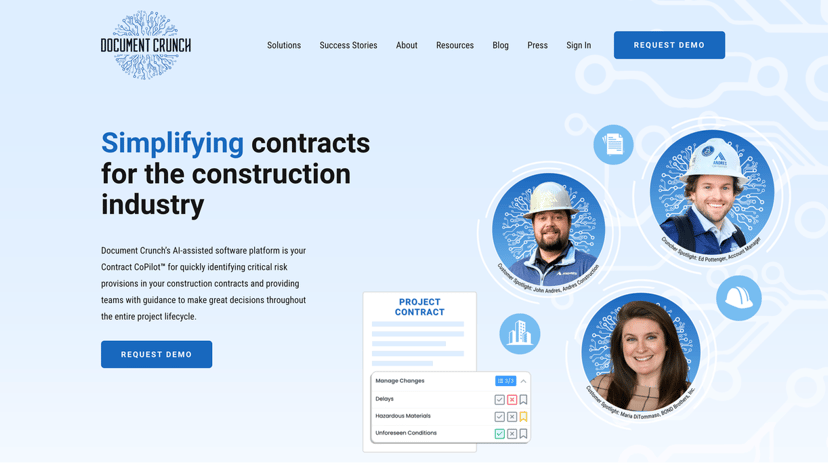
Freemium
MAIGON
AI-driven contract review tool for efficient compliance analysis.
Custom Pricing
IntelloSync
AI-powered contract drafting and review within Microsoft Word.
Custom Pricing
LinkSquares
AI-powered contract management and lifecycle solutions for legal teams.
Custom Pricing
Luminance
AI-driven platform for contract drafting, analysis, and compliance.
Freemium
ContractPower
AI-powered platform summarizing renewable energy contracts efficiently.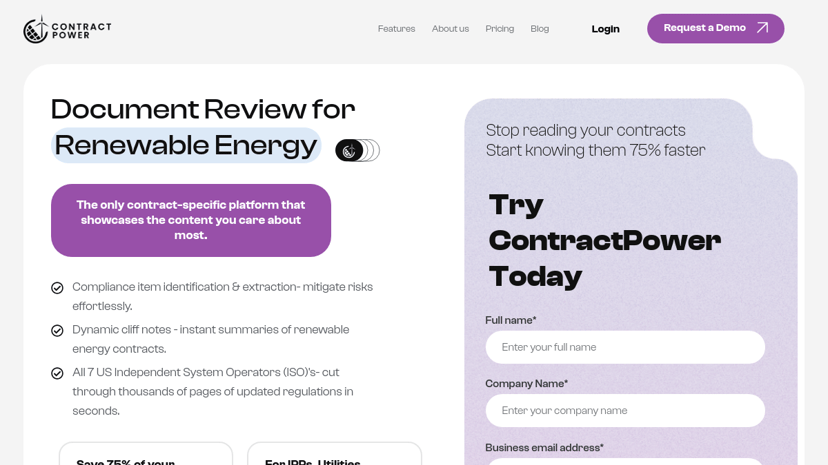
Freemium
ContractIQ
AI-powered platform for efficient, customizable contract creation.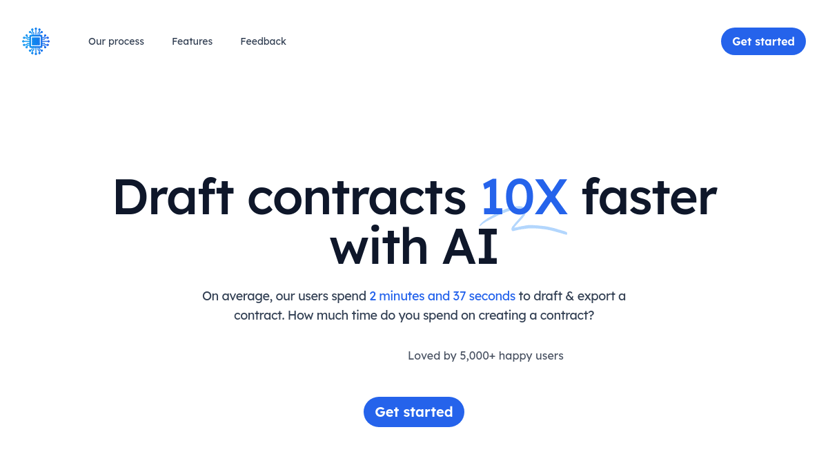
Custom Pricing
LegalOn
AI-powered contract review and negotiation software for efficiency.
Freemium
Superlegal
AI-powered contract review software for efficient legal processes.
Product
Deeligence
AI-enabled platform for accelerating due diligence with collaboration tools.
Understanding Contract Management
Contract management refers to the systematic process of managing contracts through their lifecycle. This encompasses the initial drafting and negotiation of the contract, its execution, and eventual performance management. Effective contract management ensures that all parties fulfill their obligations, minimize risks, and optimize opportunities for mutual benefit.
Why Contract Management Matters
In any organization, contracts serve as the backbone of relationships with suppliers, customers, employees, and other stakeholders. Managing these contracts effectively can lead to improved operational efficiency, cost savings, and stronger partnerships. Without proper oversight, organizations may face challenges such as compliance issues, lost deadlines, and unfulfilled commitments, all of which can lead to legal disputes and financial losses.
Utilizing contract management tools or systems offers several advantages. For one, it enhances visibility into contractual obligations, allowing organizations to monitor performance against established rules and timelines. It also helps ensure compliance with legal and regulatory requirements, reducing the likelihood of costly penalties. Moreover, centralized contract repositories help streamline access to documents, making it easier for teams to collaborate and make informed decisions.
Common Features of Contract Management Solutions
When looking for a contract management solution, several features can significantly enhance usability and effectiveness:
-
Centralized Repository: A centralized digital space for storing contracts makes it easier to search for and retrieve documents, ensuring that nothing gets lost or overlooked.
-
Automated Alerts and Notifications: These features help teams stay on top of important deadlines like renewals or reviews, reducing the risk of lapses in performance or compliance.
-
Collaboration Tools: Enhanced communication features allow stakeholders to work together effortlessly on contract negotiation and management, fostering a more efficient workflow.
-
Version Control: This feature keeps track of changes made to contracts, providing clarity on who changed what and when, which is essential for maintaining accurate records over time.
-
Reporting and Analytics: Robust reporting tools allow organizations to analyze contract performance, enabling data-driven decisions to optimize profits and efficiency.
What to Consider When Choosing a Contract Management Solution
Choosing the right contract management tool should be a thoughtful process. Key factors to consider include:
- Scalability: The solution should grow with your business, accommodating an increasing volume of contracts as your operations expand.
- User-Friendliness: A well-designed interface contributes to higher adoption rates among team members, ensuring that the tool is used effectively.
- Integration Capabilities: The ability to integrate with existing systems, such as accounting and project management tools, streamlines processes and enhances data consistency.
- Customer Support: Reliable customer service can significantly impact the user experience, especially when transitioning to a new system.
Finding the Best Products
Navigating the landscape of contract management solutions can be a daunting task given the variety of options available. Our platform can assist in streamlining this search, providing a comprehensive directory of the best contract management products. The directory includes in-depth features, pricing information, and comparisons to competitors and alternatives. By facilitating informed choices, our resources help businesses select the solution that best fits their specific needs and budget.
In conclusion, effective contract management is vital for achieving business goals and maintaining productive relationships. By understanding its importance and the features available, organizations can implement systems that not only safeguard their interests but also enhance their operational efficiency.