

Best CRM Software products
CRM software streamlines customer relationship management by organizing client interactions, tracking sales, and improving communication. We assist in identifying the best products tailored to your business needs.
Freemium
LavaReach
AI-powered prospect research with extensive enrichment and CRM integrations.
Freemium
Hubflo
All-in-one client portal for seamless service business management.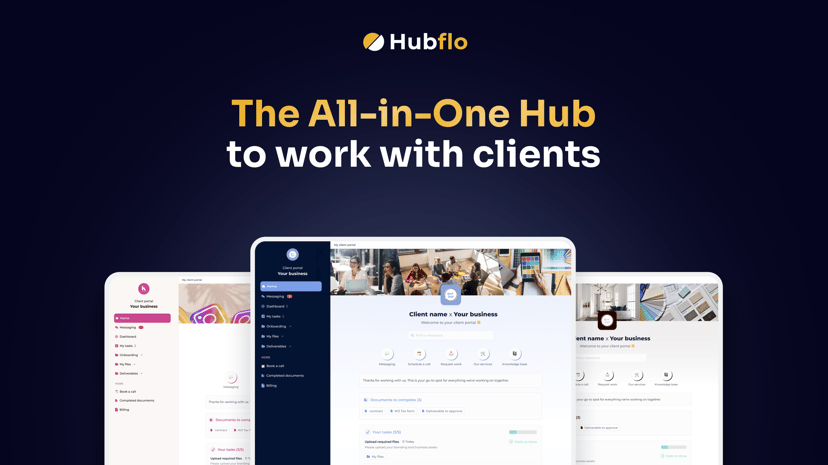
Custom Pricing
DealCoach
AI-driven sales coaching for faster deal closures and forecasting.
Freemium
Donorbox
Optimized donation forms and buttons for nonprofit fundraising.
Freemium
GPT-Trainer
AI-powered chatbot for efficient customer support and engagement.
Freemium
Scopey
Real-time scope management to prevent scope creep and upsell services.
Freemium
Trellus
AI-driven autodialer and coaching for enhanced sales calls.
Freemium
Durable
AI website builder with marketing, CRM, and invoicing tools.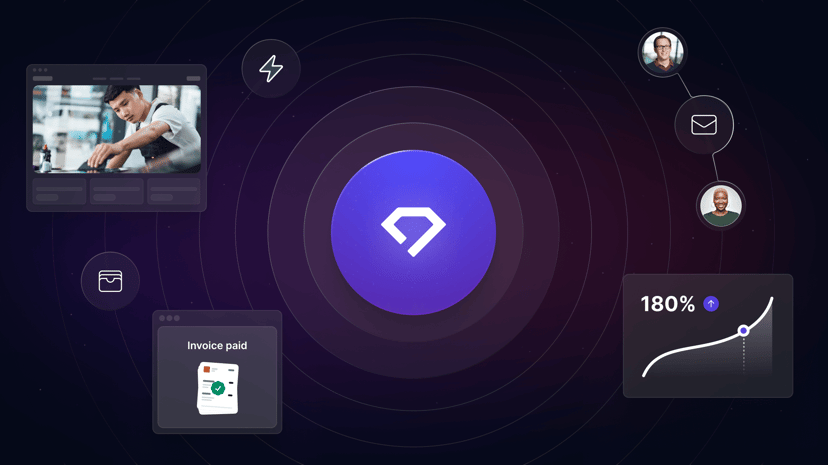
Freemium
Conversion Blitz
AI lead generation and sales automation software with data enrichment.
Freemium
Streak
Gmail-integrated CRM for managing contacts and workflows seamlessly.
Product
Scheduled App
Schedule and automate text messages with various messaging apps.
Freemium
Reply
AI-powered platform for automating sales outreach and lead generation.
Freemium
Scout
All-in-one platform for hyper-personalized email prospecting.
Freemium
Botgo
AI-driven process automation, CRM, and chatbot solutions for businesses.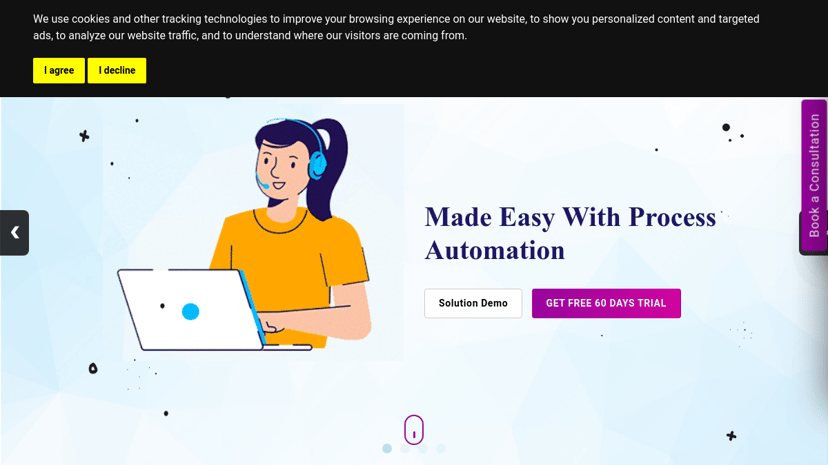
Freemium
Creatio
No-Code platform for automating workflows and CRM applications.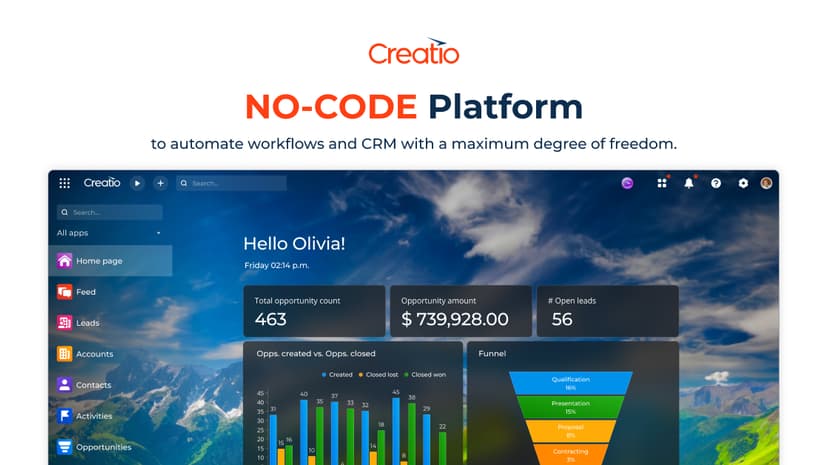
Freemium
ClickConnector
AI-powered customer support platform with Omni-Channel HelpDesk features.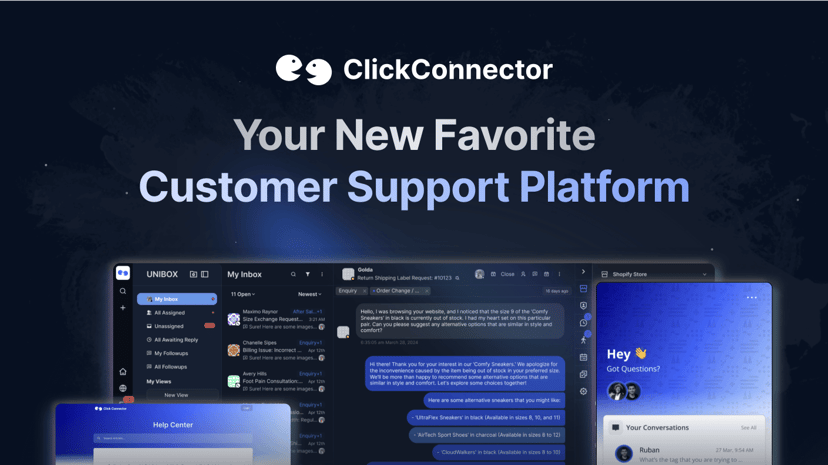
Freemium
Sellestial
Automated sales pipeline management with AI-driven insights and integration.
Freemium
Softr
No-code platform for developing web apps and client portals.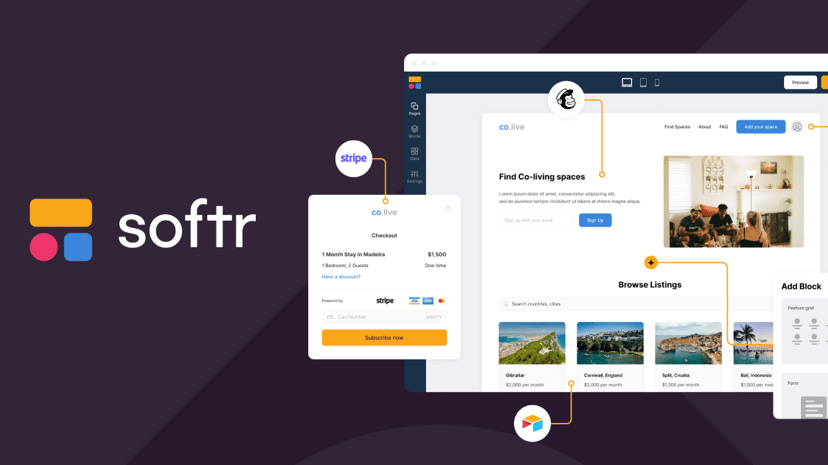
Custom Pricing
Bloks
AI tool for venture teams to streamline workflows and tasks.
Custom Pricing
Swyft AI
AI-powered automation for RevOps and CRM data management.
Freemium
Pipedrive
User-friendly CRM for managing sales pipelines and leads.
Custom Pricing
Tome
AI-powered tool enhancing sales intelligence and buyer research.
Freemium
Pod
AI coaching tool for B2B sellers to close deals faster.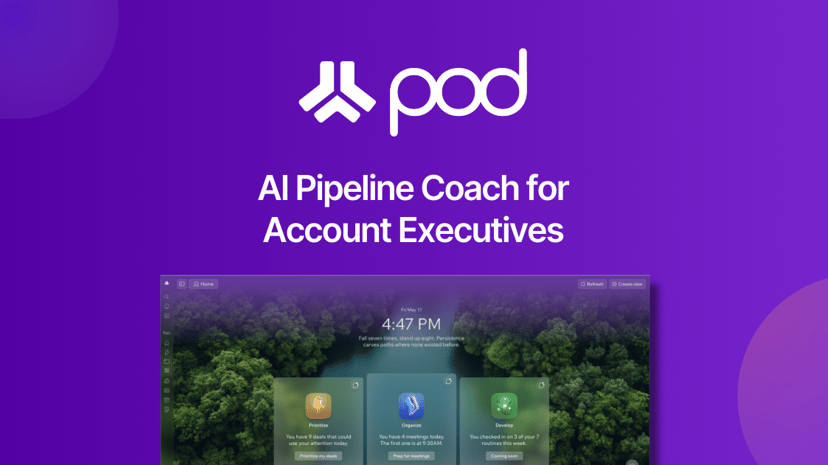
Freemium
Freshworks
AI-powered business software for customer service, IT, and sales.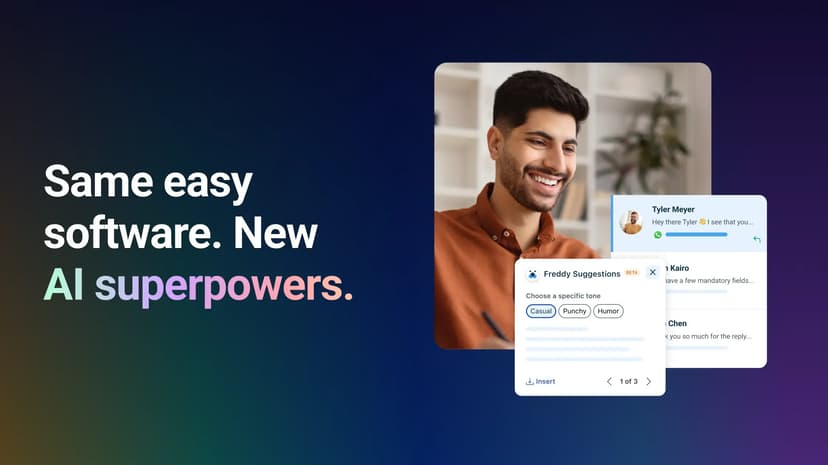
Freemium
ZenCall
Virtual assistant for efficient call management and transcription.
Freemium
Societ
Comprehensive software and marketing solutions for nonprofits.
Freemium
Finta
AI-powered fundraising platform with CRM and investor engagement tools.
Custom Pricing
Maplytics
Geo-mapping solution for visualizing Dynamics 365 CRM data.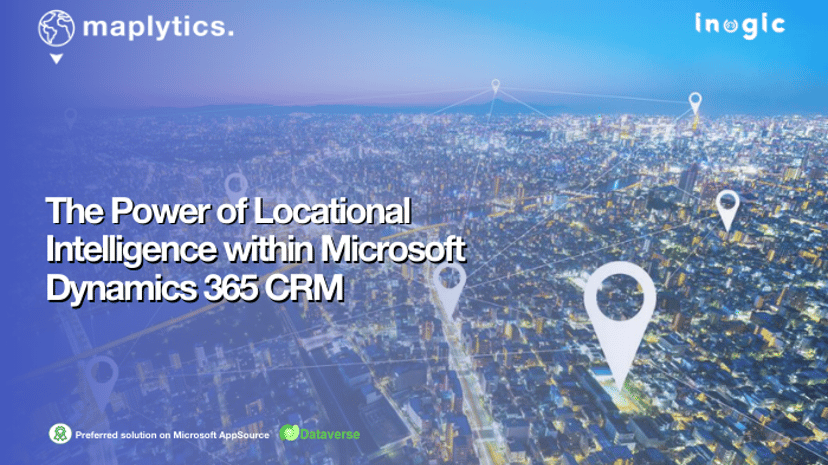
Freemium
HubSpot
Comprehensive CRM platform for marketing, sales, and service management.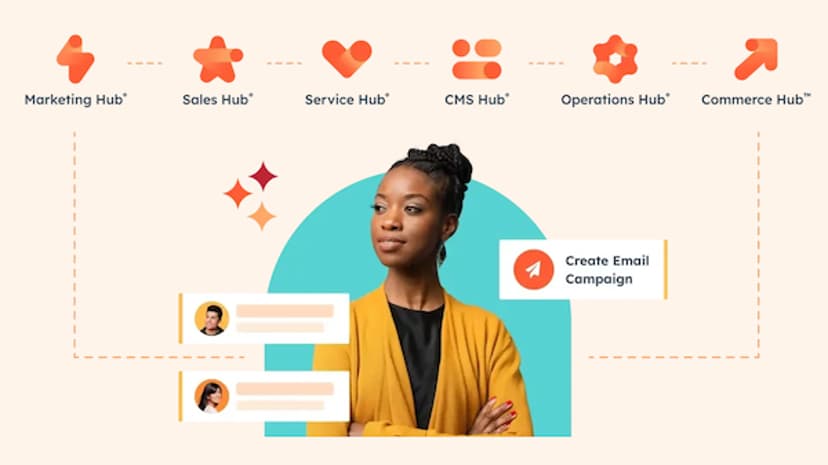
Freemium
Bonsai
Bonsai offers project, billing, and client management software.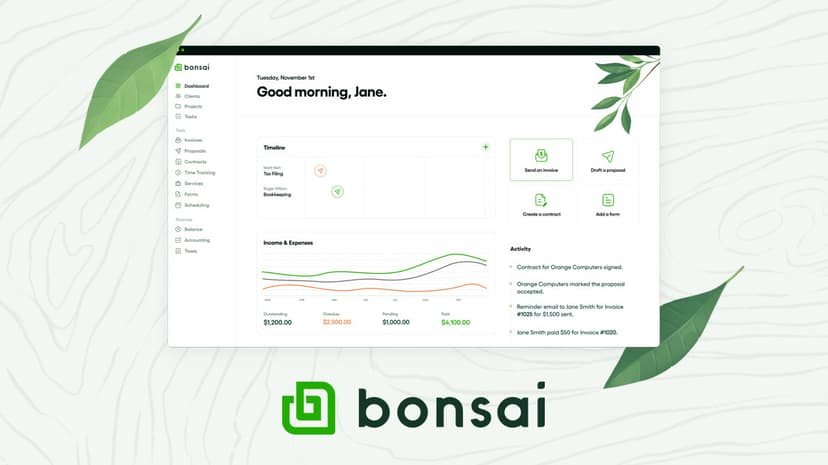
Understanding CRM Software: A Guide to its Benefits and Features
What is CRM Software?
Customer Relationship Management (CRM) software is a technological solution designed to help businesses manage their interactions with current and potential customers. By organizing customer data, tracking interactions, and automating processes, CRM systems aim to enhance customer satisfaction and improve business efficiency.
Why Use CRM Software?
Using CRM software provides numerous benefits for businesses of all sizes:
- Improved Customer Relationships: By keeping detailed records of client interactions, preferences, and history, businesses can offer more personalized services which, in turn, build stronger customer relations.
- Increased Efficiency: CRM systems automate various tasks such as data entry, follow-up emails, and appointment scheduling which frees up time for employees to focus on more strategic activities.
- Better Data Management: Centralizing customer data ensures that information is easily accessible, reducing data silos and improving communication within teams.
- Enhanced Sales Performance: By analyzing customer data, CRM software helps identify sales opportunities and track the progress of deals, ultimately improving the effectiveness of the sales pipeline.
- Improved Customer Service: Instant access to customer information enables support teams to resolve issues more efficiently and provide quicker, more effective service.
Common Features of CRM Software
CRM systems come with various features designed to streamline business processes and improve customer management:
- Contact Management: Store and manage customer information, including names, addresses, and communication history.
- Sales Automation: Automate sales workflows such as lead tracking, follow-ups, and pipeline management to improve efficiency.
- Marketing Automation: Automate marketing tasks, including email campaigns, social media posts, and analytics reporting.
- Customer Service and Support: Tools for managing customer inquiries, support tickets, and service requests to ensure timely resolution.
- Analytics and Reporting: Generate reports and insights based on customer data to help understand trends and measure performance.
- Integration Capabilities: Seamless integration with other tools and platforms such as email systems, calendar applications, and accounting software.
What to Look Out For When Choosing a CRM Product
Not all CRM software is created equal, and selecting the right one depends on the specific needs of your business. Consider the following factors when evaluating CRM options:
- Usability: Ensure the software is user-friendly and easy to navigate, as complex systems can hinder productivity rather than enhance it.
- Customization: Look for CRM solutions that can be tailored to fit your business processes and industry-specific requirements.
- Scalability: Choose a CRM system that can grow with your business, accommodating more users and additional features as needed.
- Integration: Verify that the CRM software can easily integrate with your existing tools and platforms to ensure a smooth workflow.
- Mobile Access: With the increasing need for remote work, having mobile access to your CRM system ensures that your team can stay connected and productive from anywhere.
- Security: Protecting customer data is paramount. Look for CRM solutions with robust security measures, including data encryption and user authentication.
Conclusion
CRM software plays a crucial role in managing customer relationships and business processes more efficiently. With its ability to improve customer satisfaction, streamline tasks, and provide insightful data, implementing the right CRM solution can significantly benefit businesses by enhancing both customer management and operational efficiency. Businesses must carefully consider their specific requirements and choose a CRM system that aligns with their goals, ensuring they derive the maximum benefit from the technology.