

Best Data Analysis products
Data analysis involves inspecting, cleaning, and modeling data to uncover insights and inform decision-making. We can assist in identifying optimal products tailored to your specific data needs.
Freemium
STRING
Conversational analytics tool for seamless data interaction.
Product
Primate Labs
Cross-platform performance analysis software for processors and AI.
Freemium
Wistanomic
User-friendly array data processing application for data analysis.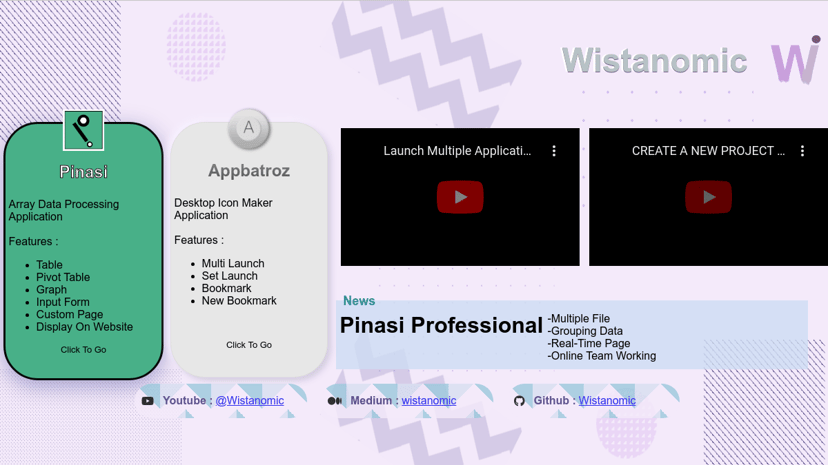
Paid
Mplus
Mplus is a statistical software for advanced data analysis.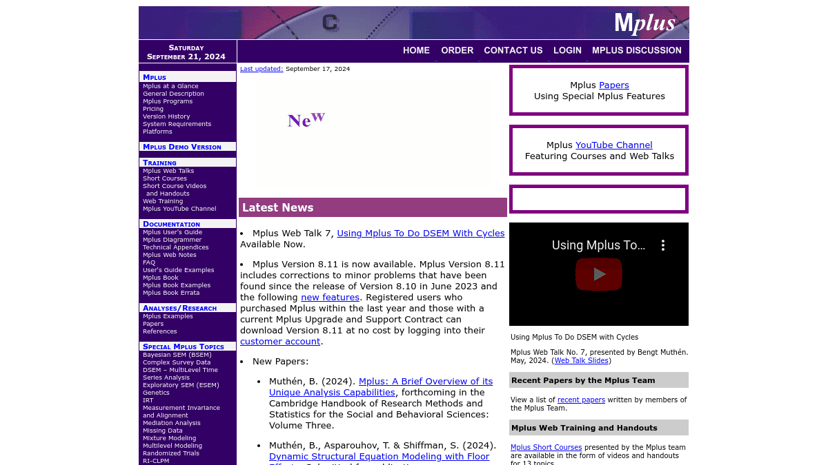
Product
G-Loaded Journal
Technical blog on Linux, open-source software, and programming tutorials.
Freemium
NCSS
Statistical software for sample size calculations and data analysis.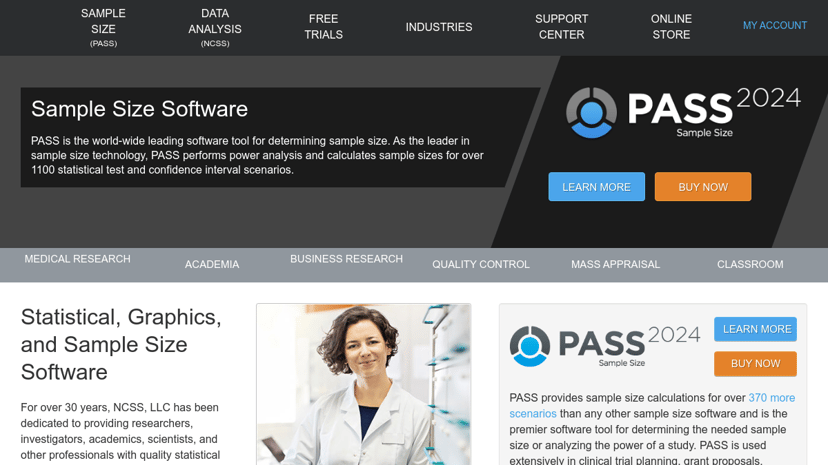
Freemium
MathWorks
MATLAB and Simulink for data analysis, modeling, and simulation.
Freemium
Julius AI
AI data analyst for analysis, visualization, and forecasting.
Freemium
op
AI-assisted data analysis integrating spreadsheets and Jupyter notebooks.
Freemium
Viable
AI-driven analysis of unstructured feedback at scale.
Custom Pricing
Lifesight
Unified marketing measurement platform for actionable data insights.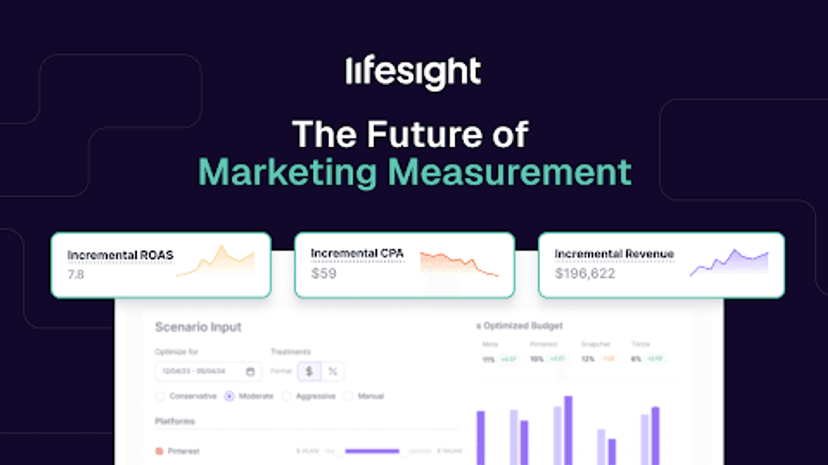
Freemium
Neuralmind
AI-powered product analytics enabling natural language data queries.Freemium
Wolfram|Alpha
Computational knowledge engine for diverse academic and professional topics.
Freemium
ChatGPT for Google
Browser extension displaying AI responses alongside search engine results.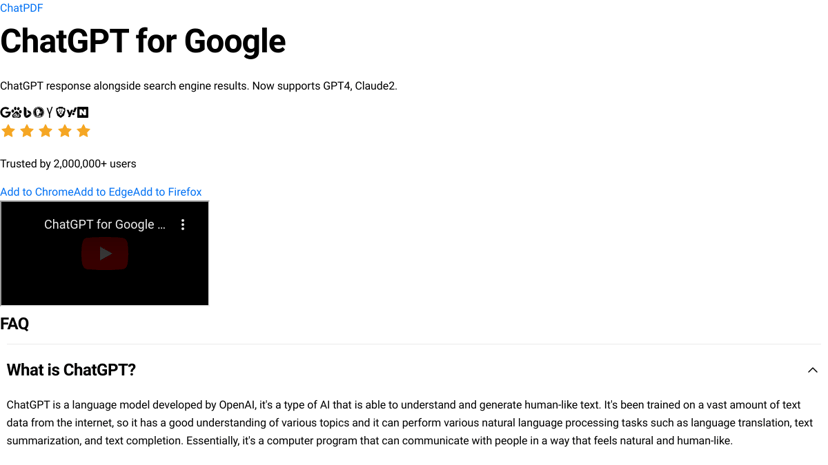
Freemium
HelloRAG
Multi-modal data processor for LLM applications with AI integration.
Freemium
Parseur
AI software for automated data extraction from various documents.
Product
Metacrawler
Metacrawler offers web search across news, images, and videos.
Freemium
Feedback Navigator
Extract valuable insights from user feedback data efficiently.
Freemium
Vizly
AI-powered data analysis and visualization tool for insights.
Freemium
Bright Data
All-in-one platform for proxies, web scraping, and datasets.
Product
CEBRA
Novel method for joint behavioral and neural data analysis.
Freemium
Marple
Time series data analysis platform for engineering teams.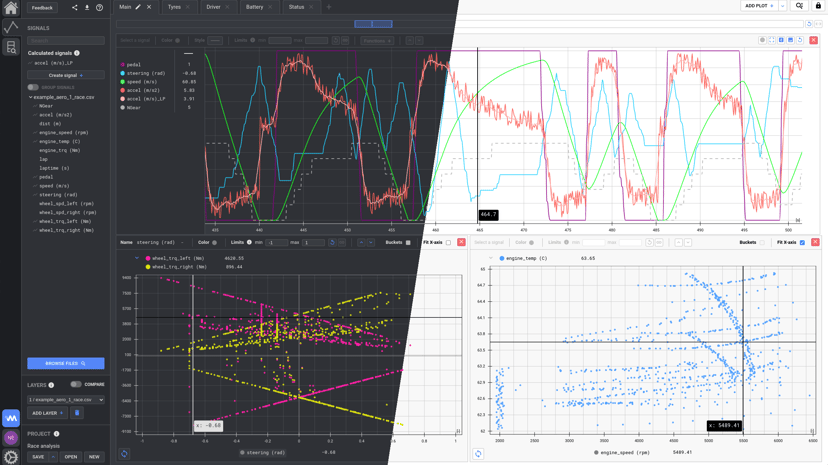
Freemium
OriginLab
Data analysis and graphing software for scientific applications.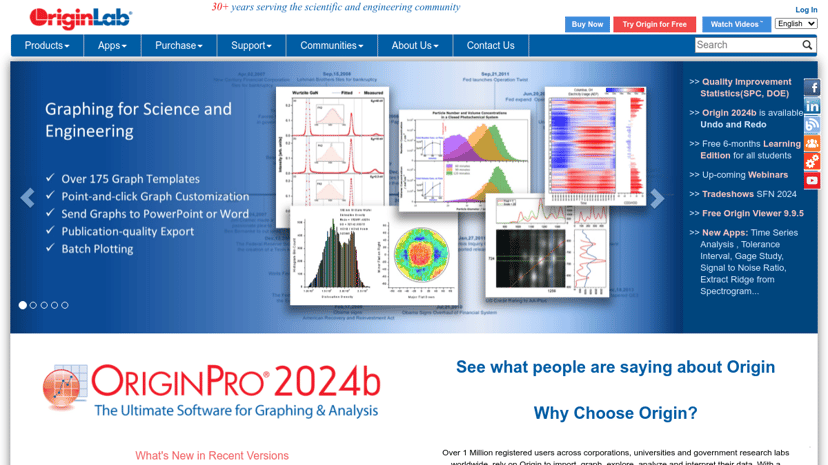
Freemium
Datasette
Open-source tool for exploring and publishing data.
Freemium
Geekbench 6
Cross-platform benchmark measuring CPU and GPU performance across devices.
Freemium
Talos
AI platform for intelligent document processing and image enhancement.
Freemium
Cliprun
Run Python code in your browser with no setup required.
Paid
Yabble
AI-driven insights and rapid data analysis tools for research.
Custom Pricing
HHD Software
Advanced tools for serial, USB, and network communication analysis.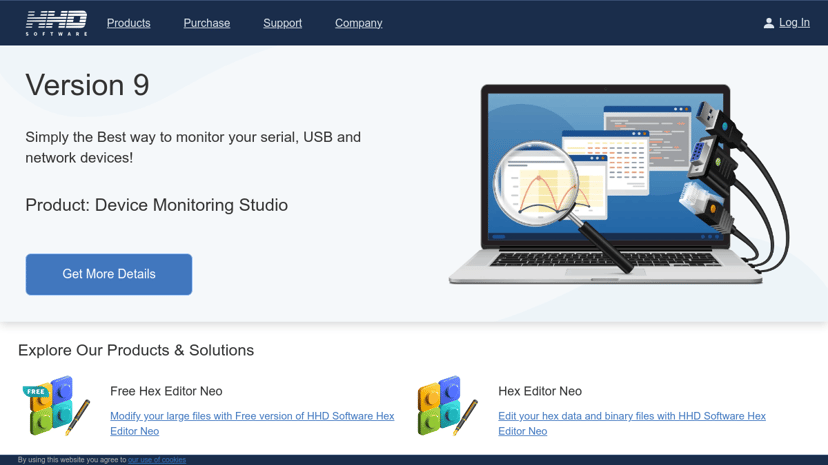
Freemium
Minitab
Comprehensive suite of statistical and data analysis tools.
Understanding Data Analysis and Its Importance
Data analysis is the process of inspecting, cleansing, transforming, and modeling data to discover useful information, draw conclusions, and support decision-making. In a world increasingly driven by information, the ability to analyze data effectively can significantly enhance both personal and business outcomes. As organizations generate more data than ever before, the capability to sift through this information to extract valuable insights becomes essential.
The Benefits of Data Analysis
Engaging in data analysis offers numerous benefits for individuals and organizations alike. For businesses, it can lead to enhanced operational efficiency, improved customer satisfaction, and increased profitability. By making informed decisions based on data, organizations can pivot strategies, optimize resource allocation, and identify trends that would have otherwise gone unnoticed.
For individuals, data analysis can aid in personal decision-making, whether it’s managing finances, tracking personal health data, or measuring performance in various aspects of life. By harnessing data, people can identify patterns, make predictions, and set realistic goals based on empirical evidence rather than intuition.
Common Features to Look For
When exploring data analysis tools, several features can make the process more seamless and effective:
-
User-Friendly Interface: Tools that are intuitive and easy to navigate can significantly reduce the learning curve, allowing users to focus on analysis rather than getting bogged down by complexity.
-
Data Visualization: The ability to create visual representations of data, such as charts, graphs, and dashboards, can help convey findings more clearly and effectively.
-
Integration Capabilities: The best tools offer the ability to integrate with various data sources and other software applications, ensuring a seamless workflow and reducing data silos.
-
Scalability: As a business grows, its data analysis needs may change. Tools that can scale with the organization’s needs are vital for long-term sustainability.
-
Collaboration Tools: If teams need to work together on data analysis projects, features that facilitate collaboration can enhance productivity and ensure everyone is on the same page.
-
Support and Resources: Access to customer support and tutorials can be incredibly beneficial, especially for users who are new to data analysis.
Considerations When Choosing a Data Analysis Tool
The selection of a data analysis tool should align with specific needs and goals. Organizations ought to consider the size of the team and the complexity of the data being analyzed. Budget is another critical factor; while some tools may offer extensive features, they may not fit within every financial plan.
It is also essential to examine the reputation of the software provider and their commitment to ongoing improvements and updates. User reviews and case studies can provide deeper insights into how effective a tool may be in real-world applications.
Additionally, trial versions of software provide an opportunity to test functionality and ease of use before making a commitment.
Finding the Right Tools for You
Navigating the landscape of data analysis tools can be overwhelming, but it doesn’t have to be. Our directory provides an overview of some of the best products available, presenting details about features, pricing, alternatives, and competitors. By gathering this information, users can make informed decisions based on their unique requirements and ensure they select a tool that enhances their data analysis capabilities, ultimately leading to better insights and outcomes.