

Best Data Analytics products
Data analytics involves the systematic examination of data to derive insights, identify trends, and inform decision-making. We assist in discovering optimal tools and solutions tailored to your analytics needs.
Freemium
Layer
Research copilot for extracting insights from complex documents.
Freemium
GoodVision
AI-driven traffic analysis and real-time control for smart cities.
Freemium
Datatera.ai
AI-driven tool for converting files and websites into structured data.
Custom Pricing
Helika
Web3 gaming analytics platform for optimization and user acquisition.
Freemium
Coupler.io
All-in-one platform for data integration, automation, and visualization.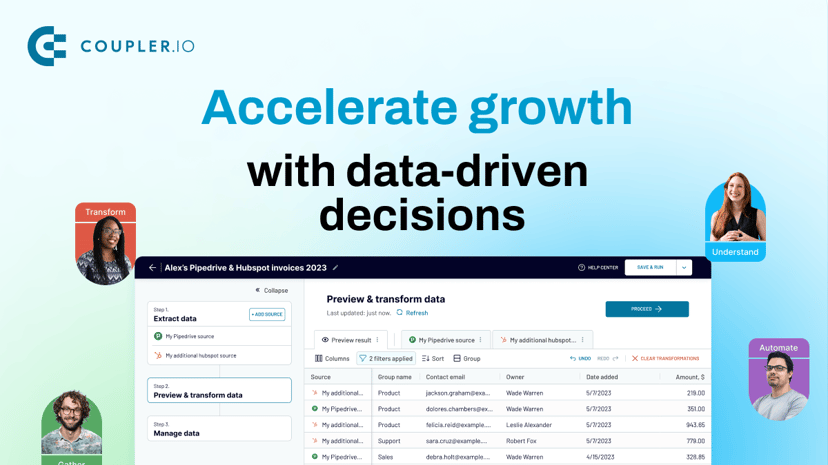
Custom Pricing
PAXAFE
End-to-end supply chain visibility for optimized shipment management.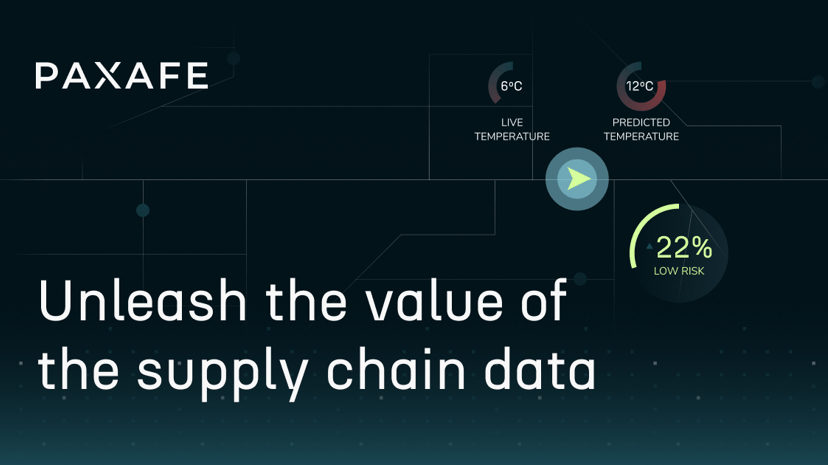
Custom Pricing
AntWorks
Intelligent document processing for structured and unstructured formats.
Custom Pricing
Tek Leaders
Innovative IT services and data-driven solutions for businesses.
Freemium
AnalysAI
AI-powered data analytics platform for deep insights and forecasting.
Freemium
DataSquirrel
Automated data analysis and visualization for non-tech users.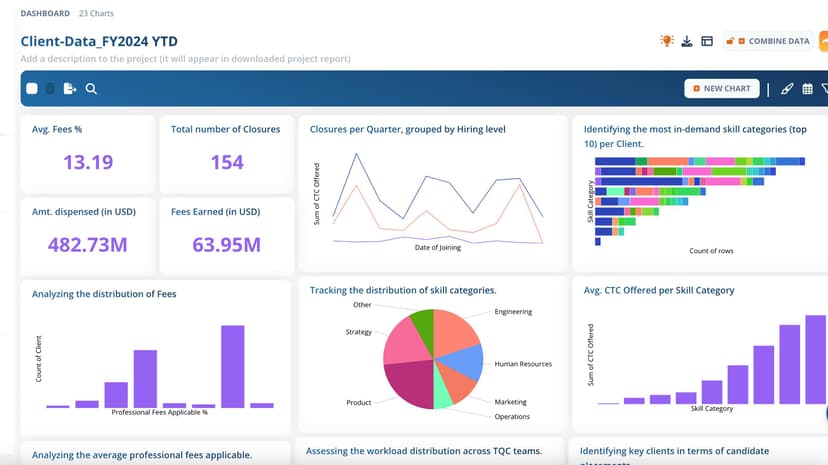
Freemium
Turbular
AI analytics platform for instant data insights and dashboards.
Product
CodeSquire
AI code writing assistant for data scientists and engineers.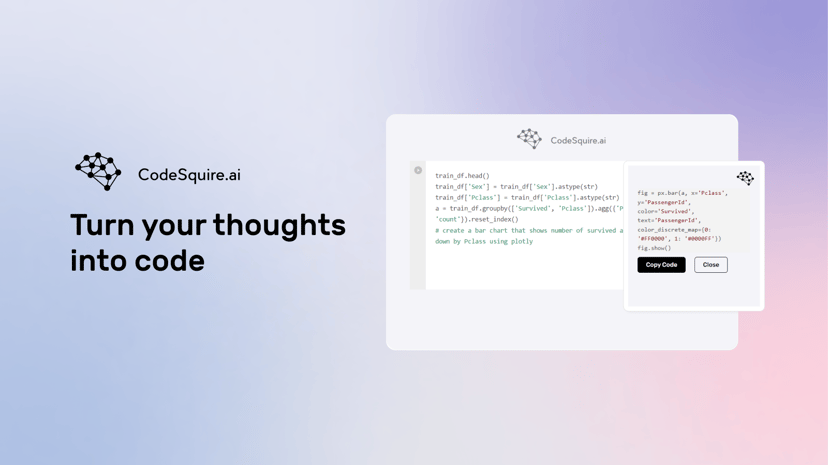
Freemium
Cloudchipr
AI-powered platform for optimizing cloud costs and operations.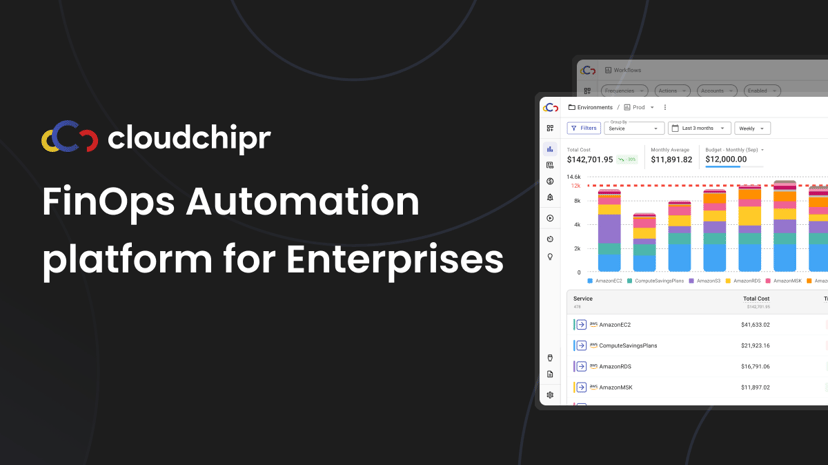
Freemium
Dot
AI-powered data analysis and insights through natural language conversations.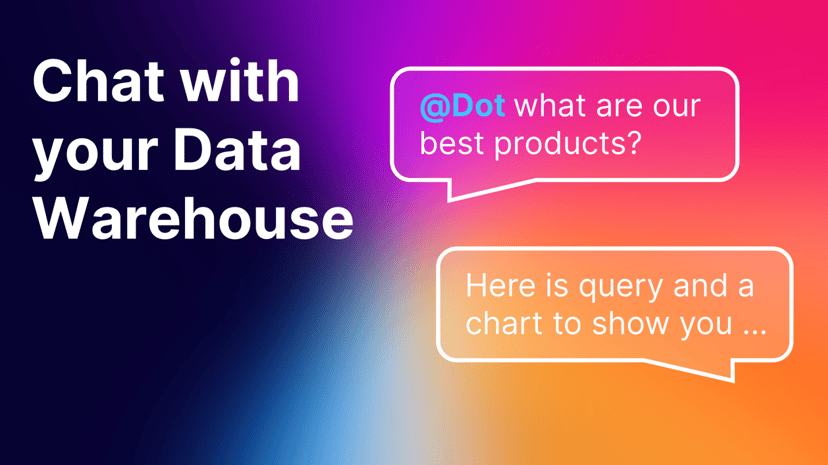
Custom Pricing
Susterra
AI-powered analytics platform for modernizing public finance.
Freemium
Unearth Insights
Advanced geospatial data and location analysis services.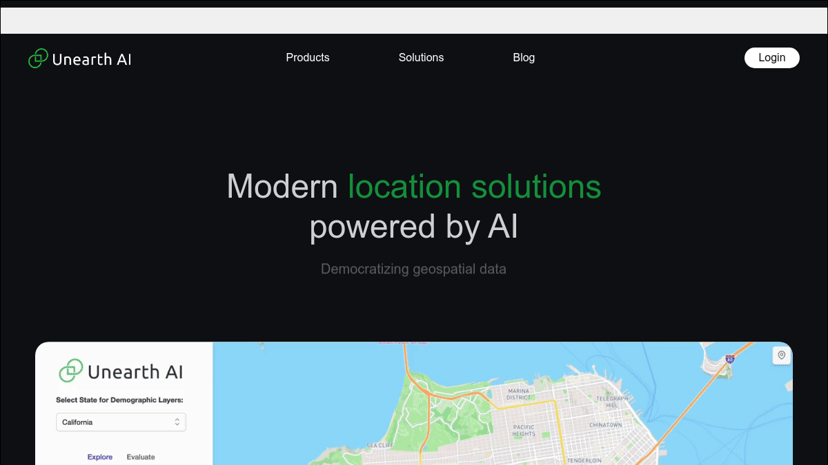
Freemium
J++
Data journalism courses promoting ethical practices and collaboration.
Custom Pricing
BioRaptor
Advanced AI/ML analytics for optimizing bioprocess experiments.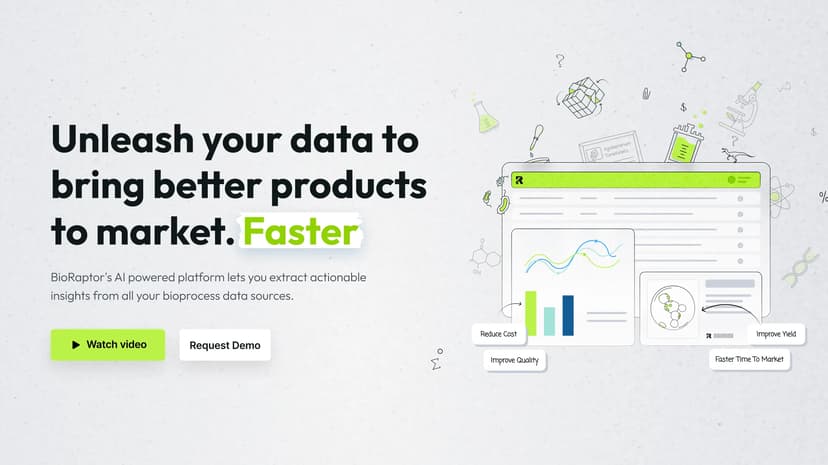
Freemium
Avanty
AI assistant for writing and editing SQL queries efficiently.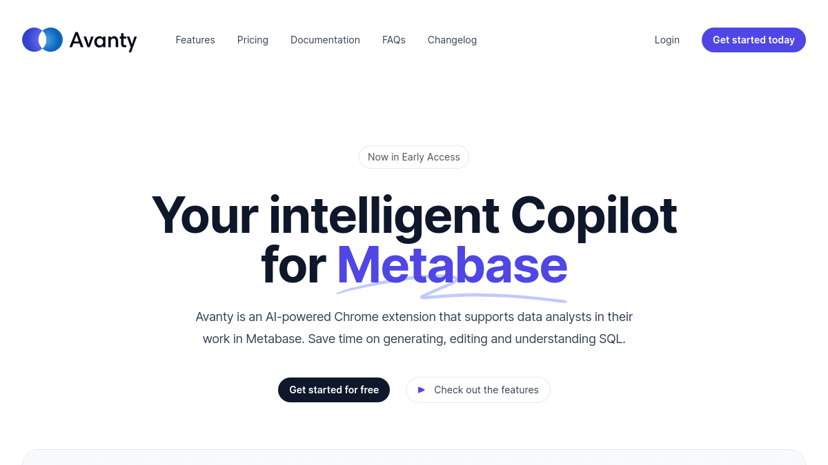
Freemium
DataBorg
AI-powered platform for data extraction, integration, and analysis.
Freemium
Buster
Natural language data querying with customizable dashboards and charts.
Freemium
NLSQL
NLP to SQL generator for data-driven business insights.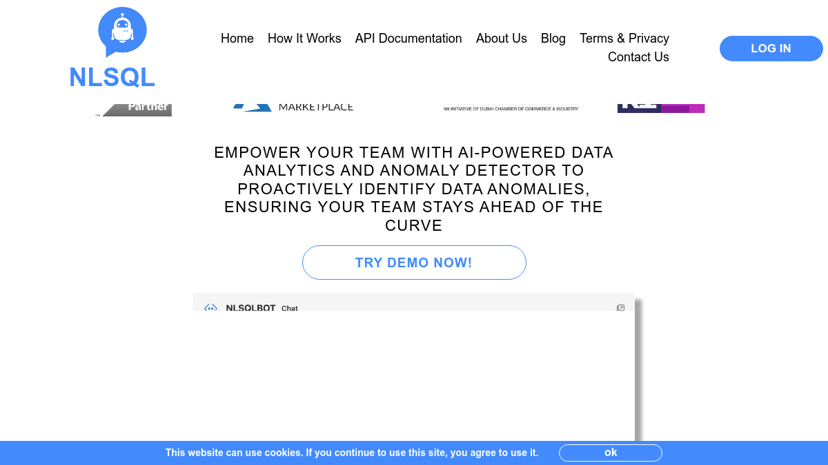
Freemium
DataGPT
Conversational AI data analyst for instant, comprehensive data insights.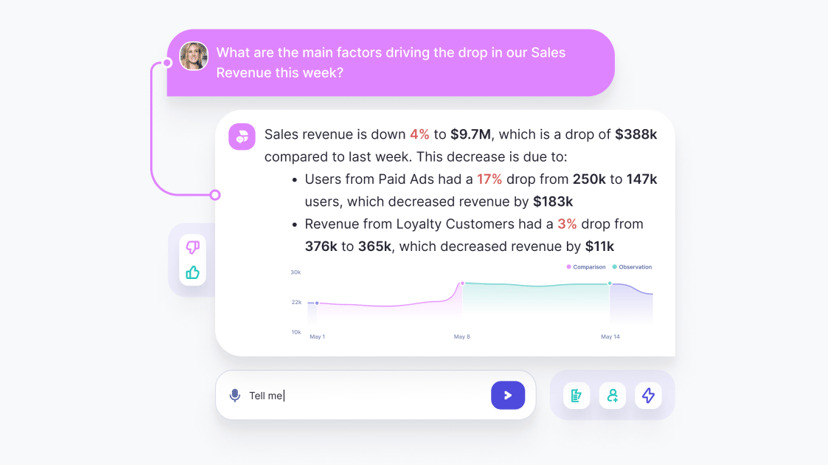
Custom Pricing
Proscia
AI-powered digital pathology software for modern laboratories.
Freemium
Foundational
Automated impact analysis, lineage, and data contracts for data management.
Freemium
EasyLytics
AI-powered data analysis for social media and analytics platforms.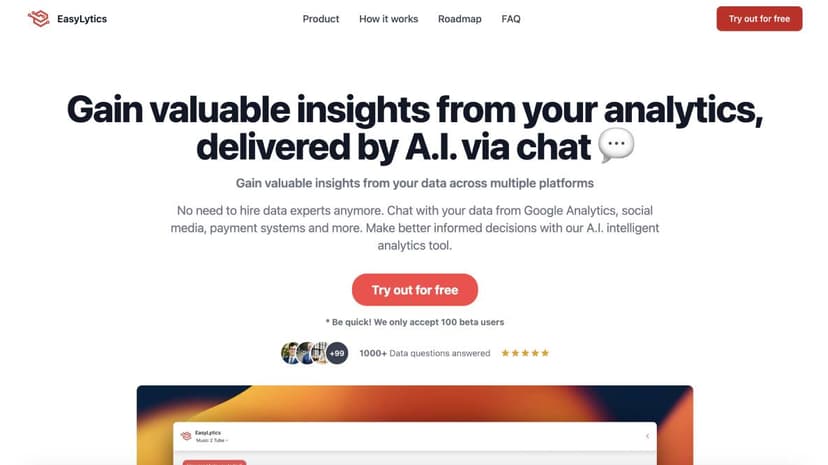
Freemium
Entropik
AI-powered market research delivering customer insights 4x faster.
Custom Pricing
UserCue
AI-driven market research with quick, reliable insights and interviews.
Understanding Data Analytics
Data analytics refers to the systematic computational analysis of data. It involves inspecting, cleansing, transforming, and modeling data with the goal of discovering useful information, informing conclusions, and supporting decision-making. In today’s information-rich environments, data analytics is used by businesses, organizations, and individuals alike to draw insights from data, helping to enhance operational efficiency, understand customer behavior, and drive strategic planning.
The increasing reliance on data to make informed decisions highlights the importance of data analytics. Organizations today collect vast amounts of data daily, but without the right tools to analyze it, this information can quickly become unmanageable and underutilized. By using data analytics, businesses can identify trends, measure performance, predict outcomes, and ultimately make data-driven choices that are informed by real insights. Whether it’s enhancing customer experiences, optimizing marketing strategies, or improving supply chain efficiencies, data analytics provides valuable support in achieving a range of business goals.
Key Features of Data Analytics Tools
When choosing a data analytics tool, understanding its common features can be helpful. Many analytics solutions provide:
-
Data Visualization: The ability to present data in a graphical format is critical. Visualization aids in comprehending complex data sets through charts and dashboards, making insights easier to understand and communicate.
-
Data Integration: A good analytics tool can integrate data from various sources, including databases, cloud services, and spreadsheets, enabling a comprehensive view of the information available.
-
Reporting and Dashboarding: Features that allow users to create customizable reports and dashboards facilitate monitoring of key performance indicators (KPIs) and overall business health at a glance.
-
Predictive Analytics: Many businesses benefit from tools that offer predictive capabilities, using historical data to forecast future trends. This can be vital for inventory management, sales projections, and customer behavior analysis.
-
Collaboration Tools: A collaborative environment supports team members in sharing insights, findings, and reports easily, which is crucial for decision-making processes.
While these features enhance the functionality of data analytics tools, users should also consider factors such as ease of use, scalability, and customer support when evaluating options. Choosing a solution that aligns with specific business needs can greatly impact the successful implementation of data analytics practices.
Selecting the Right Data Analytics Tool
In the crowded marketplace for data analytics solutions, making the right choice can be challenging. Considering the following when selecting a product can make the decision easier:
-
User-Friendliness: The tool should be accessible to users of varying technical abilities. A steep learning curve may hinder adoption and utilization within an organization.
-
Scalability: As businesses grow, their data needs often evolve. Opting for a scalable solution can maximize longevity and performance.
-
Cost: Budgeting is paramount. Comparing subscription models and pricing structures across different products can help ensure that you find a tool that meets your financial planning.
Finding the right data analytics tool can significantly streamline activities and support growth. Exploring a comprehensive directory of leading data analytics products can assist in this journey: our directory includes an array of options, detailing their features, pricing, and potential alternatives. Reviewing competitive products allows informed comparisons, ensuring the chosen tool aligns not just with current requirements but is also flexible enough to accommodate future needs.
In summary, embracing data analytics could be key to unlocking valuable insights for individuals and organizations alike. With the right tools, it is possible to extract meaningful information that can help to achieve established goals and improve overall efficiency.