

Best Data Integration products
Data integration involves combining data from various sources into a unified view, enhancing accessibility and analysis. We can assist in identifying the best tools and solutions to streamline this process.
Freemium
Workato
Automate data integration, app connectivity, and process efficiency.
Freemium
LlamaIndex
Data framework for connecting data sources to large language models.
Freemium
Celigo
Next-gen integration platform unifying apps, automating processes, enhancing productivity.
Freemium
SnapLogic
Enterprise iPaaS platform for application and data integration automation.
Freemium
Cybertiks
AI-driven data analysis for sustainable agriculture using satellite imagery.
Freemium
PowerImporter
Sync Airtable, import CSVs, and migrate WordPress to Webflow.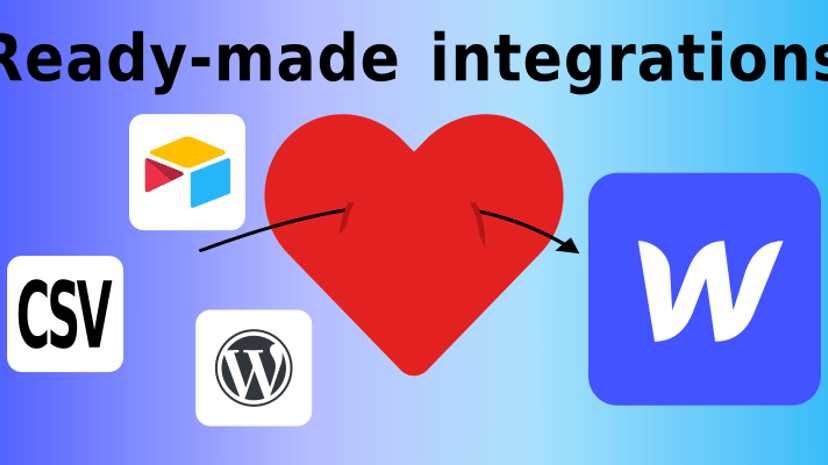
Freemium
Talend
Scalable, cloud-independent solution for data integration and governance.
Paid
Datavolo
Flexible, reusable data pipelines for unstructured data management.
Freemium
Coginiti
Collaborative analytics platform for efficient SQL data workflows.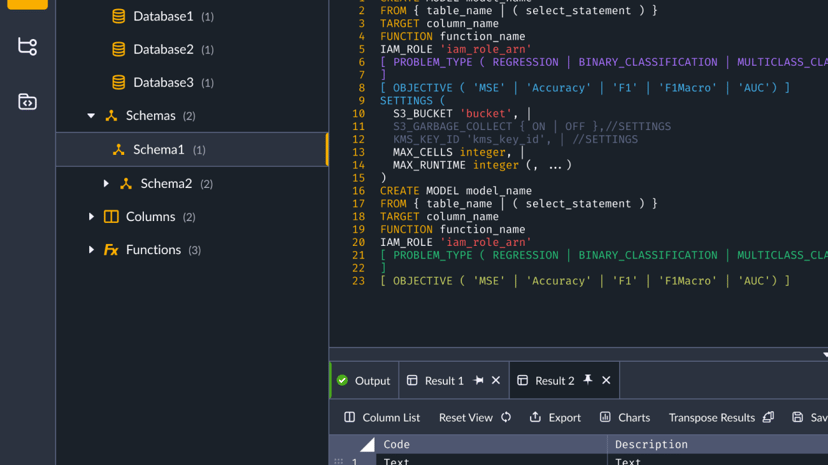
Freemium
Qlik
End-to-end data integration, quality, and analytics solutions provided.Product
Bevywise
Reliable IoT applications for operational excellence and real-time insights.
Freemium
Lume AI
AI-powered data mapping with seamless integration and automation.
Understanding Data Integration: A Key to Better Decision-Making
Data integration plays a crucial role in today's data-driven world. It refers to the process of combining data from different sources into a unified view. Over the years, organizations have accumulated vast amounts of data from various departments, applications, and platforms. Data integration helps in piecing together this information, ensuring that stakeholders have access to cohesive and accurate data.
Why Consider Data Integration?
The benefits of data integration are substantial. First and foremost, it improves decision-making. By consolidating data, organizations gain a clearer picture of their operations, enabling them to identify trends and uncover insights that might otherwise go unnoticed. This holistic view can enhance the strategic planning process and support tactical decisions.
Moreover, data integration helps streamline processes. Instead of spending time manually gathering and reconciling data from multiple sources, businesses can automate these tasks. This not only saves time but also reduces human error, leading to improved data quality.
Another significant advantage is enhanced collaboration. In many organizations, different departments operate in silos, making sharing information challenging. Data integration breaks down these barriers, fostering a more collaborative environment and promoting a culture of teamwork. When all employees have access to the same data set, it leads to more informed discussions and better outcomes.
Common Features of Data Integration Tools
When evaluating data integration solutions, there are several features that stand out as essential:
-
Data Mapping and Transformation: The ability to map data from source to destination and transform it into a needed format is critical. This ensures that data retains its meaning and usability.
-
Support for Various Data Sources: A good integration tool should support numerous data sources, whether they are databases, cloud services, or flat files. This flexibility allows businesses to leverage existing infrastructures.
-
Real-Time Data Integration: Having access to the most up-to-date information can make a difference in decision-making. Tools that offer real-time integration can provide timely insights and foster agility within an organization.
-
User-Friendly Interface: Ease of use is vital, especially for teams that may not have a technical background. An intuitive interface can enhance productivity and reduce the learning curve associated with new tools.
-
Strong Security Features: Data privacy is more critical than ever. Solutions should come with robust security measures to safeguard sensitive information throughout the integration process.
Choosing the Right Product
Selecting the right data integration solution requires careful consideration. It's advisable to assess the specific needs of your organization. Factors to consider include the scale of data, the variety of data sources, budget constraints, and integration timelines. Businesses should also explore vendor support, user reviews, and the community surrounding the tool for additional insights.
Finally, understanding the pricing structure is crucial. Many tools have tiered pricing models that accommodate different operational sizes and needs. It's beneficial to compare pricing against the features offered to ensure that the chosen solution provides value for money.
How We Can Assist
Finding the best data integration products can be overwhelming, given the multitude of options available. We offer a comprehensive directory that highlights the top data integration tools in the market. Our resource includes a detailed overview of their features, pricing structures, competitors, and alternatives. By providing this information, we aim to simplify the selection process for you, enabling informed decision-making based on your unique requirements and budget.
In summary, data integration is a valuable practice that can boost decision-making, streamline processes, and enhance collaboration. By taking the time to evaluate your options using reliable resources, organizations can effectively leverage data integration to achieve their business goals.