

Best Data Science products
Data Science involves the analysis and interpretation of complex data using statistical methods, algorithms, and technology to drive informed decision-making. We can assist you in discovering top tools and resources in this field.
Freemium
JFrog ML
Unified platform for building, deploying, and monitoring AI models.
Freemium
KNIME
Visual data science platform for analytics and machine learning.
Freemium
Neural Designer
User-friendly platform for building neural network models effortlessly.
Custom Pricing
Myelin Foundry
Edge AI solutions for real-time insights and analytics.
Freemium
Neptyne
Integrate Python functions directly into Google Sheets for data analysis.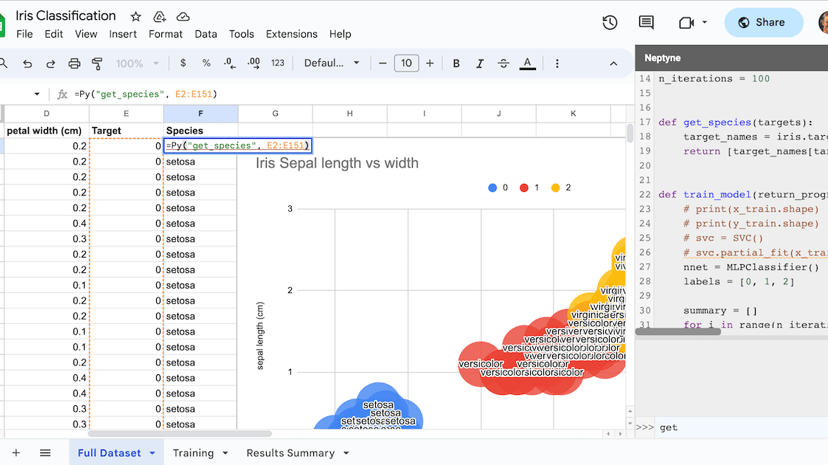
Paid
AIJobs.ai
Leading job board for AI, ML, and data science careers.
Freemium
StudyQA
Global search platform for academic programs and universities.
Freemium
DataCamp
Online platform offering data science and AI courses and resources.
Freemium
QuantHub
AI-powered training for data fluency and literacy.
Product
Togaware
Resources for Data Scientists, focusing on R and machine learning.
Custom Pricing
Citrusˣ
AI transparency and explainability platform for risk management and validation.
Freemium
BlueSky Statistics
Comprehensive R and Python GUI for statistics and data science.
Freemium
Parea AI
Experimentation and human annotation platform for AI teams.
Custom Pricing
S5 Stratos
AI-powered merchandising and supply chain planning solutions.
Freemium
Heimdall
No-code platform for building and deploying machine learning models.
Freemium
Anaconda
Open ecosystem for data science and AI development tools.
Freemium
PassMark Software
Comprehensive CPU benchmarking and performance comparison charts.
Freemium
Transcrypt
Transcrypt compiles Python to efficient JavaScript for web applications.
Freemium
Dataiku
Platform enabling Everyday AI for diverse business solutions.
Understanding Data Science: A Guide to Its Benefits and Key Considerations
Data Science is a multidisciplinary field that utilizes various scientific methods, algorithms, and systems to extract knowledge and insights from structured and unstructured data. It combines techniques from statistics, computer science, and domain-specific knowledge to analyze large volumes of data and derive meaningful conclusions. As businesses increasingly rely on data to make informed decisions, understanding data science has become essential for organizations of all sizes.
Why Use Data Science?
The application of data science offers numerous advantages. First and foremost, it enables organizations to make evidence-based decisions rather than relying solely on intuition. By analyzing past data and identifying patterns, businesses can enhance their operational efficiency, improve customer experiences, and drive revenue growth.
In addition, data science plays a pivotal role in predictive analytics, helping businesses forecast future trends based on historical data. This capability is invaluable for inventory management, marketing strategies, and financial forecasting. Moreover, data science can automate repetitive tasks, freeing up employees to focus on more strategic initiatives. For organizations looking to harness data for competitive advantage, investing in data science can lead to improved business outcomes.
Common Features of Data Science Tools
When exploring data science, several common features are typically found in tools and software designed for this field. These include:
-
Data Collection: Tools that enable users to gather data from multiple sources—like databases, APIs, or web scraping—facilitate the initial step of any data analysis project.
-
Data Cleaning: Data often contains inconsistencies or inaccuracies. Effective tools include features for cleaning and preprocessing data, which is crucial for reliable analysis.
-
Data Visualization: The ability to visualize data through charts, graphs, and dashboards helps in presenting findings in an easily understandable format.
-
Statistical Analysis: Many tools provide built-in statistical functions for users to analyze data sets, perform hypothesis testing, or derive insights.
-
Machine Learning: Advanced tools offer algorithms for predictive modeling and machine learning applications, allowing users to build models that can predict future outcomes.
What to Consider When Choosing Data Science Tools
Selecting the right data science tools can significantly impact the effectiveness of data-driven strategies. When evaluating options, consider the following aspects:
-
Usability: The tool should be user-friendly, especially for those who may not have an extensive background in programming or statistical analysis. An intuitive interface can enhance productivity.
-
Integration: It is beneficial for data science tools to integrate seamlessly with existing data sources and IT infrastructure. Compatibility with other software is essential for efficient workflows.
-
Scalability: As data size and complexity grow over time, a scalable solution is vital. The chosen tool should accommodate evolving needs as organizations expand.
-
Support and Community: Robust customer support and an active user community are important resources when facing challenges with tools. These resources can provide troubleshooting assistance and opportunities for best practices sharing.
-
Cost: The pricing structure, including licensing models and any hidden costs, should align with budgetary constraints while still meeting functional requirements.
Finding the Right Data Science Products
Navigating the vast array of data science products can be daunting. To assist in this journey, a dedicated directory of the best data science tools is available. This resource includes detailed information on features, pricing, competitor analysis, and alternative options. By reviewing this data, organizations can make informed decisions that ensure they select the most appropriate tools for their unique needs, ultimately driving greater business success.