

Best Developer Tools products
Developer Tools encompass a range of software and applications that aid in programming, debugging, and optimizing code. We can help you discover the best tools for your specific development needs.
Freemium
Fern
API documentation and SDK generation for multiple languages.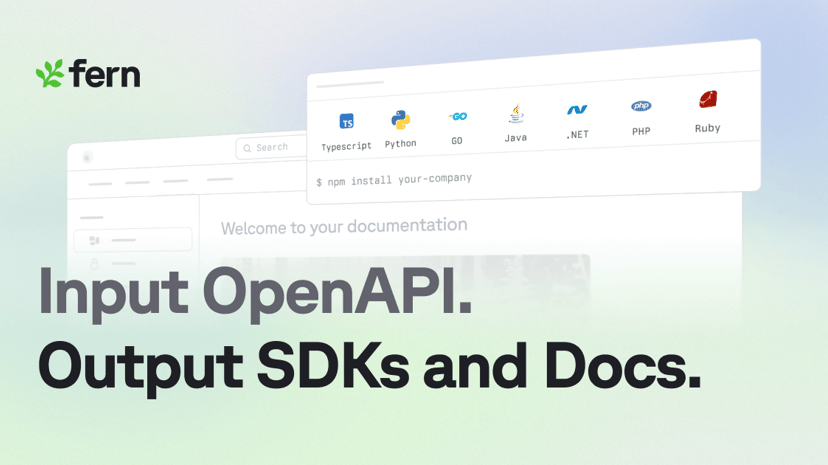
Freemium
Abyssmedia
High-quality audio software and developer tools for Windows users.
Custom Pricing
SourceGear
Custom software development and tools like Vault and DiffMerge.
Product
Docuo
Generate engaging documentation sites for developers effortlessly.
Exploring Developer Tools: Streamlining Software Development
Developer tools, often referred to as dev tools, encompass a wide range of software applications and resources that assist developers in creating, testing, deploying, and maintaining applications. These tools play a crucial role in today’s tech-driven world, where software development has become integral to business operations and daily activities.
Why Use Developer Tools?
The adoption of developer tools can significantly enhance productivity and efficiency in software development. For developers, these tools provide a structured environment for writing code, debugging, and testing applications. They automate repetitive tasks, which allows developers to focus more on strategic aspects of their projects rather than mundane technicalities. Furthermore, using the right set of developer tools can lead to higher code quality, better team collaboration, and a more streamlined workflow.
Businesses benefit from developer tools in various ways. Faster development cycles mean faster time-to-market for products, allowing companies to stay competitive. Additionally, the right tools can aid in maintaining robust security practices by identifying vulnerabilities early in the development process. Overall, these tools can lead to cost savings and enhanced customer satisfaction due to the improved quality of software products.
Common Features of Developer Tools
When evaluating developer tools, several features often stand out:
-
Code Editors: Most tools provide an integrated code editor with syntax highlighting, code completion, and error detection, facilitating a smoother coding experience.
-
Version Control: This feature enables developers to track changes made to the code, collaborate with team members, and easily roll back to previous versions if issues arise.
-
Debugging Tools: Debugging tools help identify and resolve issues in the code, significantly reducing the time spent on troubleshooting.
-
Testing Frameworks: Many developer tools come with built-in testing capabilities, allowing for the automation of unit tests and performance testing to ensure the application works as intended.
-
Integration Capabilities: Compatibility with other software tools and platforms is essential for ensuring a seamless workflow, particularly in larger projects.
-
Documentation Support: Good developer tools provide access to documentation and community support, which can be invaluable for troubleshooting and learning.
Considerations When Choosing Developer Tools
Choosing the right developer tools can be challenging, given the variety of options available. A few considerations to keep in mind include:
-
Usability: The user interface should be intuitive and easy to navigate, as a steep learning curve can hinder productivity.
-
Community and Support: A robust community around a tool can offer advice, shared experiences, and troubleshooting help, making it easier to resolve issues.
-
Scalability: Consider whether the tool can grow with your needs. As projects expand, tools should be able to accommodate increased complexity without a loss in performance.
-
Cost: While many developer tools are open-source or free, others come with significant licensing fees. It's essential to evaluate the features offered against the cost.
-
Compatibility: Ensure that the tool integrates well with the existing technologies and systems used in your business.
Finding the best developer tools can be simplified through curated resources. A well-maintained directory of products can provide comprehensive information about various tools, their features, pricing, competitors, and alternatives. This approach allows individuals and teams to make informed decisions based on their specific needs and circumstances.
In summary, developer tools are vital for any organization involved in software development. By fostering greater efficiency and collaboration, these tools help achieve business goals while improving the overall development experience for teams.