

Best Digital Asset Management products
Digital Asset Management (DAM) streamlines the organization, storage, and retrieval of digital content, enhancing workflows. We can help you discover the best DAM solutions tailored to your needs.
Freemium
GetJar
Open app store featuring over 994,444 free apps and games.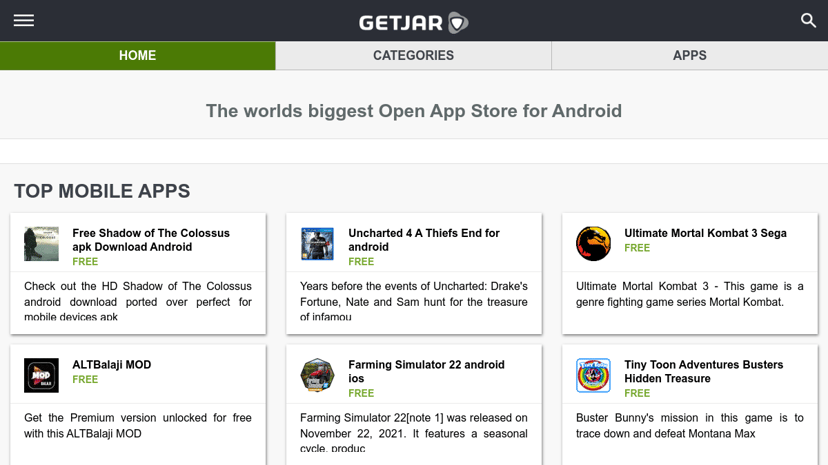
Freemium
Tagbox
AI-driven digital asset management for organized collaboration and search.
Product
UUByte
Powerful toolkit for creating, burning, and editing ISO and DMG files.
Freemium
zipBoard
Visual review and feedback tool for digital content collaboration.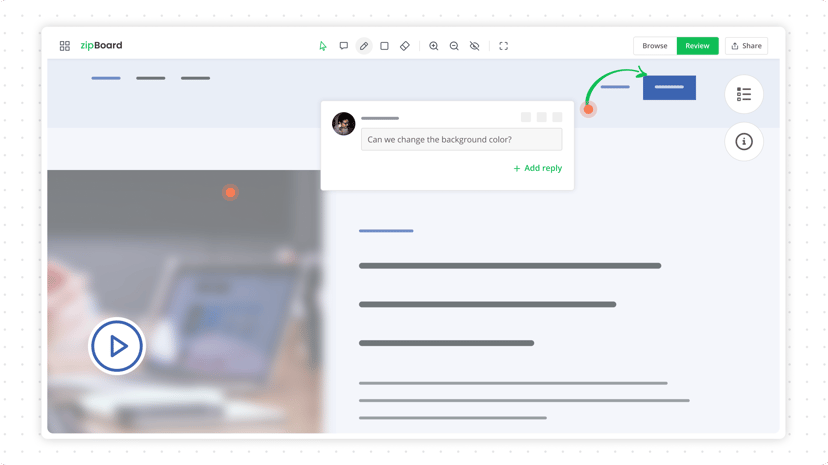
Freemium
Razuna
Cloud-based digital asset management for secure collaboration and organization.Product
Loci
Machine learning platform for searching and tagging 3D assets.
Product
DDMF
High-quality audio plugins for various digital audio workstations.
Freemium
Shadertoy
Online platform for creating and sharing shaders.
Freemium
TACTIC Resource
Cloud-based solution for digital asset management and resource planning.
Understanding Digital Asset Management (DAM)
Digital Asset Management (DAM) refers to the system of organizing, storing, and retrieving digital assets such as images, videos, audio files, and documents. As businesses and individuals increasingly rely on media-rich content for communication and marketing, having a structured way to manage digital assets becomes essential. This practice not only safeguards valuable content but also enhances efficiency in retrieving and sharing assets.
Why Use Digital Asset Management?
The benefits of utilizing a DAM system extend beyond mere storage. For organizations, the importance of efficient asset management lies in several areas:
-
Improved Organization: With a DAM solution, digital assets are stored in a centralized location accompanied by metadata that describes the content. This organization simplifies the process of finding and accessing assets, ultimately saving time and reducing frustration.
-
Enhanced Collaboration: Many teams work remotely or across different locations, making it crucial for them to have a single source of truth for digital assets. A DAM system allows multiple users to collaborate easily, enabling shared access and version control, which helps maintain the integrity of the materials.
-
Brand Consistency: By managing digital assets effectively, organizations can ensure that all visual and written content remains consistent with their branding guidelines. This consistency helps establish a strong brand identity and fosters trust among audiences.
-
Cost Efficiency: Poor management of digital assets can lead to unnecessary costs, such as re-creating lost assets or paying for unused licenses. A DAM system minimizes these losses by providing a clear overview of available assets.
-
Scalability: As businesses grow, so does their volume of digital content. A DAM system scales with an organization’s needs, allowing for the seamless addition of new assets without compromising organization or accessibility.
Common Features of DAM Solutions
When exploring DAM systems, it’s helpful to familiarize oneself with common features, including:
- Metadata tagging: Facilitates easy searching and classification of assets by adding descriptive tags.
- Version control: Keeps track of changes made to files, ensuring that users have access to the latest version while preserving previous iterations.
- User permissions: Enables administrators to restrict or grant access to specific assets, ensuring sensitive materials are only viewable to authorized personnel.
- In-built workflows: Allows users to streamline asset processes, such as approval chains for content before it goes live.
- Integration capabilities: Supports connections with other tools and software, such as content management systems, social media platforms, and email marketing services, ensuring a smooth workflow.
Choosing the Right DAM System
Selecting the most suitable DAM solution depends on various factors, including business size, type of digital assets, user preferences, and budget. Some key considerations include:
- User Interface: It's important to consider how intuitive and user-friendly the interface is, as this will affect user adoption and overall efficiency.
- Customizability: Every organization has unique needs. A solution that allows for customization enables it to better align with specific workflows.
- Storage and Scalability: Determining the type of storage available, whether it's cloud-based or on-premise, and its capacity to scale can help avoid future complications as asset needs evolve.
- Support and Training: Look for providers that offer adequate training resources and customer support to assist users in adapting to the system.
Finding the Best DAM Products
Navigating the various options in the Digital Asset Management space can be overwhelming, but having access to a comprehensive directory can simplify the process. These resources can provide detailed information about the top DAM products, including their features, pricing, and comparisons with competitors and alternatives. By evaluating this information systematically, individuals and businesses can make informed decisions that align with their needs, ultimately enhancing their digital asset management process.