

Best grammar suggestions products
Explore a variety of products tailored to your needs. Our expert recommendations help you discover the best options available, ensuring you make informed choices for your purchases.
Freemium
Slick Write
Free application for checking grammar and stylistic writing.
Freemium
FuturePerfect
24/7 spelling and grammar monitoring for websites.
Freemium
Check Typo
AI-powered spell-checker enhancing writing across various platforms.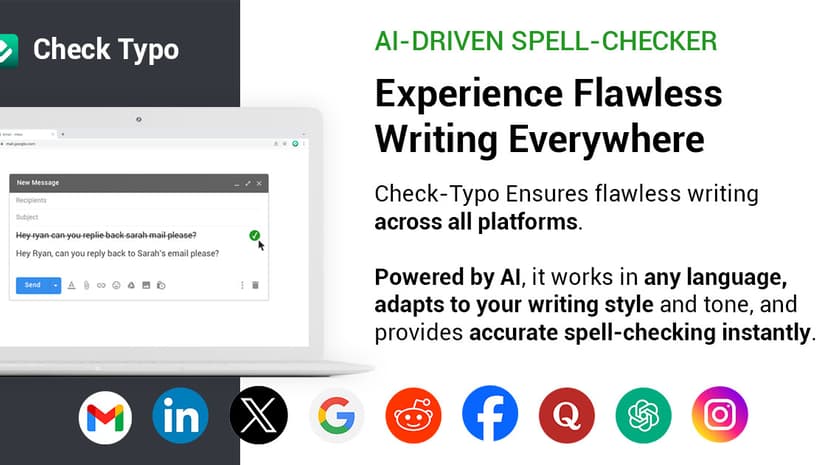
Freemium
Nativish
AI writing assistant for fluent multi-language communication and improvement.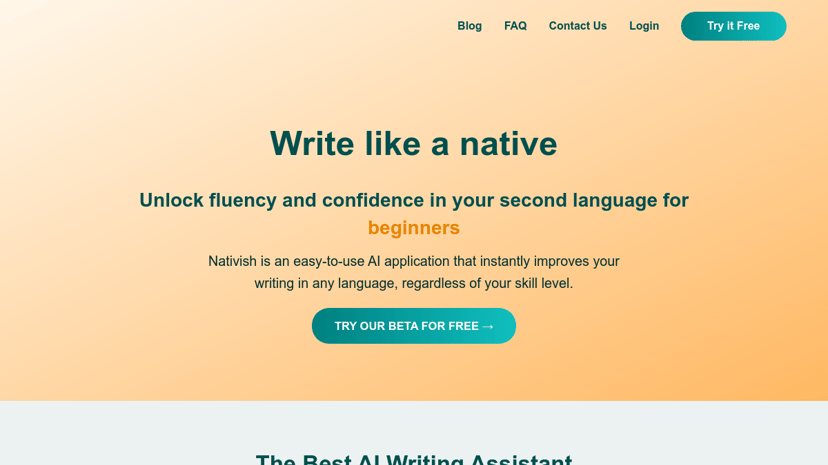
The Importance of Project Management Tools
In the fast-paced world of business, effective project management plays a crucial role in achieving organizational goals and maintaining team productivity. Project management tools serve as essential aids in planning, executing, and monitoring projects, enabling teams to collaborate efficiently and keep everyone on the same page. These tools streamline workflows, facilitate communication, and help manage resources effectively.
Why Use Project Management Tools?
Project management tools are beneficial for several reasons. First, they provide clarity and structure to projects, allowing teams to define goals, assign tasks, and establish timelines. By using these tools, teams can reduce the likelihood of misunderstandings or missed deadlines, which can occur in less organized environments. This organization ultimately leads to improved productivity and a higher quality of work.
Second, many of these tools enhance collaboration, making it easier for team members to communicate, share files, and provide updates. Whether working in the same office or remotely, having a shared platform fosters a sense of unity and encourages teamwork. Additionally, project management tools often include tracking features that allow managers to monitor progress in real-time and make informed decisions based on current data.
Common Features to Look For
When selecting a project management tool, it’s important to consider the common features available that can enhance usability and efficiency. Some key features include:
-
Task Management: This allows teams to assign tasks, set deadlines, and prioritize work, ensuring that everyone knows what they are responsible for and when it needs to be completed.
-
Collaboration Tools: The ability to share documents, comment on tasks, and communicate directly within the platform promotes collaboration and eases information sharing.
-
Gantt Charts: These visual timelines help in tracking project schedules, showing how various tasks overlap and what the full project timeline looks like.
-
Reporting and Analytics: Having access to performance metrics and reports can help teams identify bottlenecks, assess resource allocation, and measure the project's overall success.
-
Integrations: Many project management tools offer integrations with other applications, such as communication tools or document-sharing platforms, which can enhance overall efficiency.
Considerations When Choosing a Product
While there are numerous project management tools available, it’s important to choose one that suits your specific needs. Before making a decision, consider the following factors:
- Team Size: Different tools cater to different team sizes. Ensure the tool you select can accommodate your group effectively.
- Usability: The best tools are easy to learn and use. A complicated tool may lead to frustration and decreased productivity.
- Budget: Analyze the pricing models available and determine which tool fits within your budget while still meeting your project needs.
- Customer Support: Reliable customer support can be vital, particularly if your team is new to using such tools or if you encounter technical issues.
How We Can Help
Finding the right project management tool can be challenging, given the multitude of options available. Our directory offers a selection of the best products on the market, including details on features, pricing, and comparisons with competitors and alternatives. This comprehensive resource can support you in making an informed decision that aligns with your team's requirements and budget constraints. By using our directory, you can simplify the process of selecting a project management tool that will help you achieve your business goals more effectively.