

Best Investing products
Investing involves allocating resources, usually money, to generate returns over time. We can help you explore suitable investment products tailored to your financial goals and risk tolerance.
Freemium
Prospero.Ai
AI-driven stock insights with clear long and short-term signals.
Freemium
InciteAI
AI-driven insights for smarter stock and crypto investing.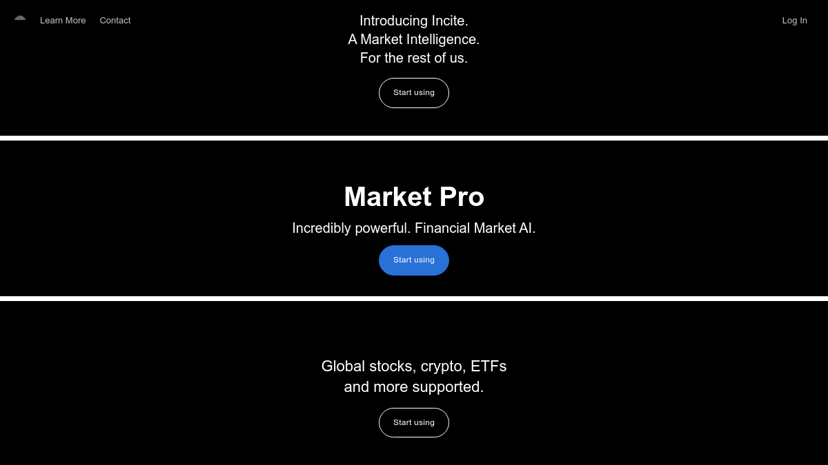
Freemium
Calypso
AI-driven platform for tracking public equities and insights.
Freemium
StockStory
AI-driven stock research for individual investors. Market insights included.
Paid
LevelFields
AI stock and options trading tools for efficient research.
Freemium
Kvants AI
AI-powered asset management platform for automated quantitative strategies.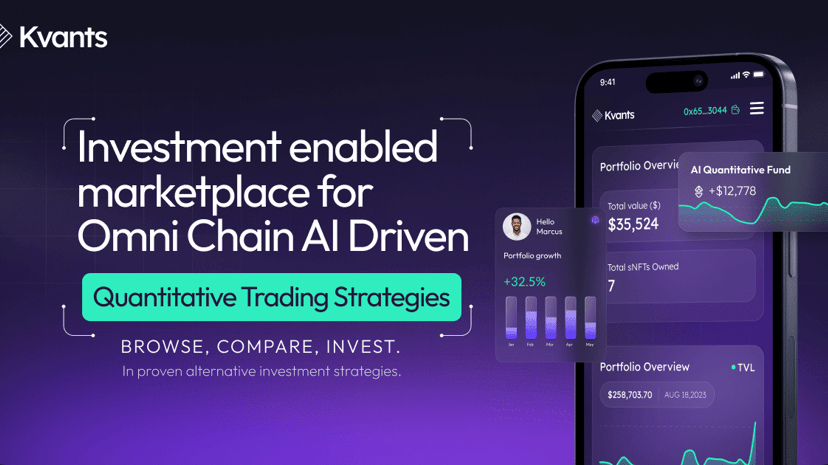
Freemium
Global Predictions
AI-powered financial advisor offering personalized investment insights.
Freemium
SourcedDeals
Discover exclusive property investment opportunities and connect with investors.
Freemium
RoboFin
AI-driven stock market analysis for informed investment decisions.
Freemium
StockQuakes
AI-powered analysis of significant stock market changes daily.
Freemium
FinChat
AI-powered investment research platform with advanced analytics and data.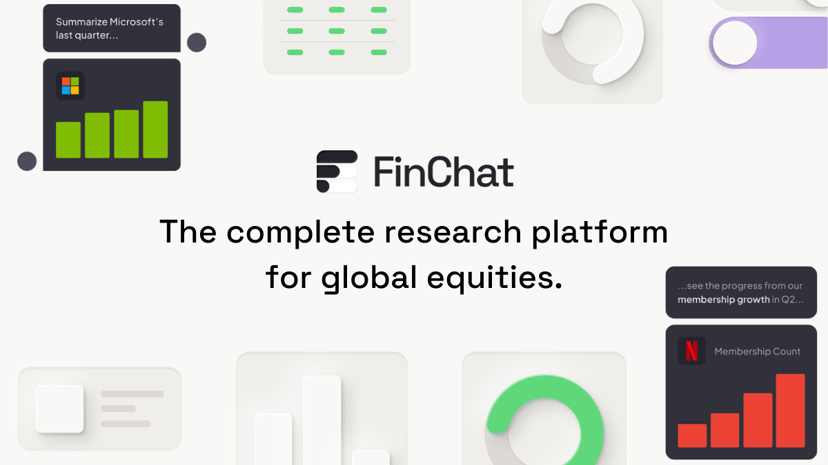
Freemium
Stocked AI
AI-driven monthly stock recommendations for long-term wealth building.Freemium
Fey
Effortless financial research with real-time market intelligence capabilities.
Paid
CEOBUYSELL
Tracks insider CEO stock transactions for informed investment decisions.
Freemium
SaberTrade
Browser extension providing automatic financial summaries and real-time insights.
Freemium
Daloopa
AI-powered financial modeling with automated fundamental data updates.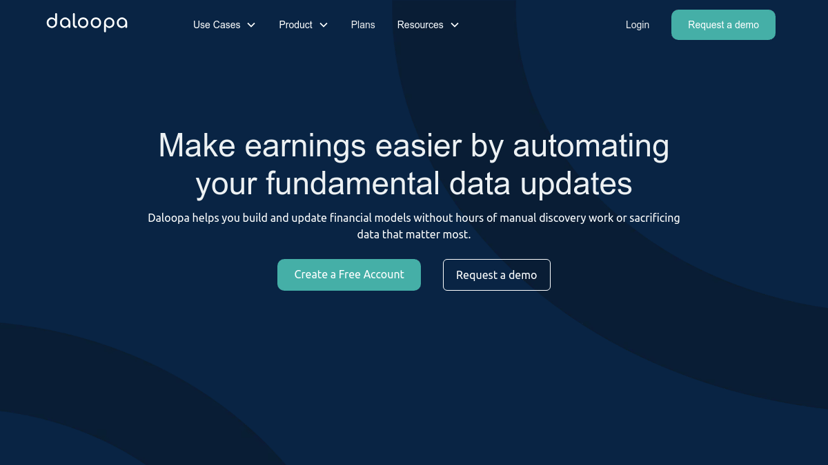
Freemium
Publicview
AI tool for searching and analyzing financial statements.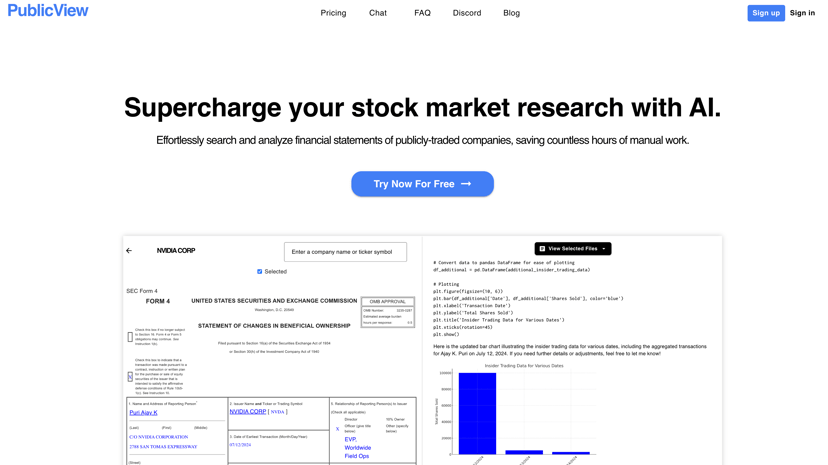
Product
Naval Bot
Conversational AI bot for insights from Naval Ravikant.
Freemium
Tradepost
AI-powered insights for smarter trading decisions and market analysis.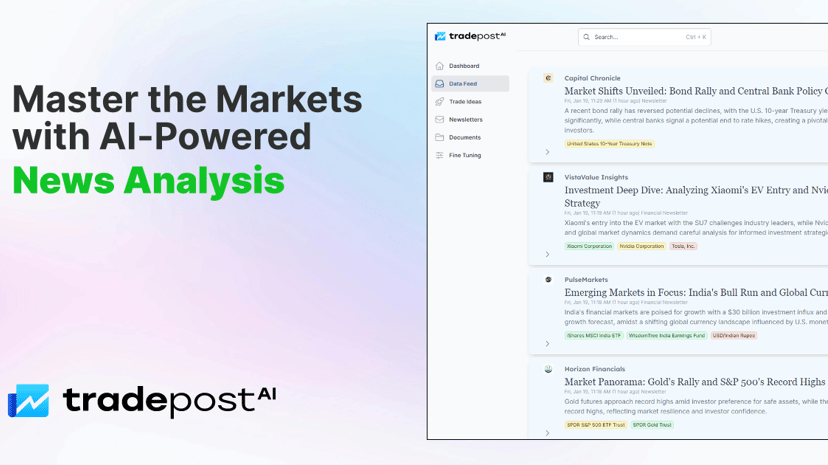
Freemium
Coda Octopus Group
AI-powered stock analysis with financial data, news, and charts.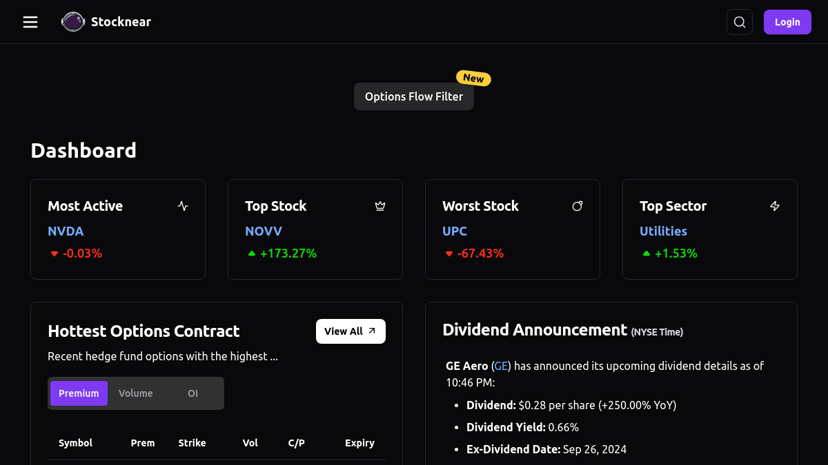
Product
BeeBee AI
AI analytics tool for U.S. stock market earnings analysis.
Product
Outseek
Quick stock screener for research and analysis of assets.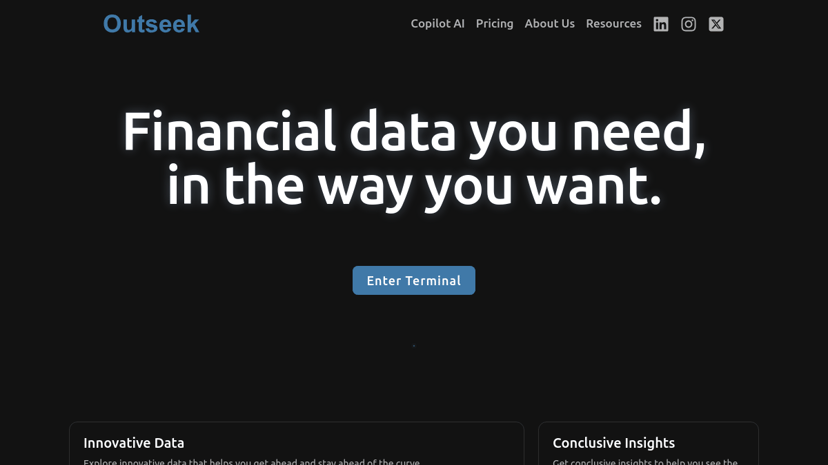
Freemium
Trade Ideas
AI-driven stock scanning and charting platform for investors.
Freemium
Uptrends.ai
Track trending stocks and receive real-time alerts on news.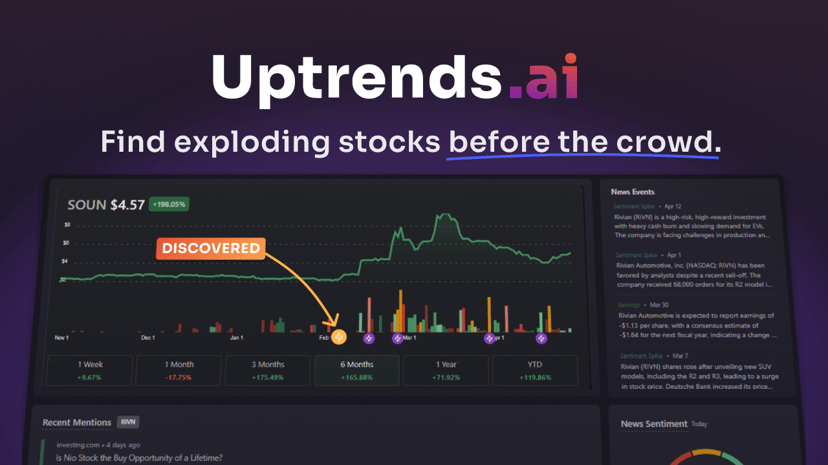
Freemium
Alphalerts
Stock option alerts and insights for traders and investors.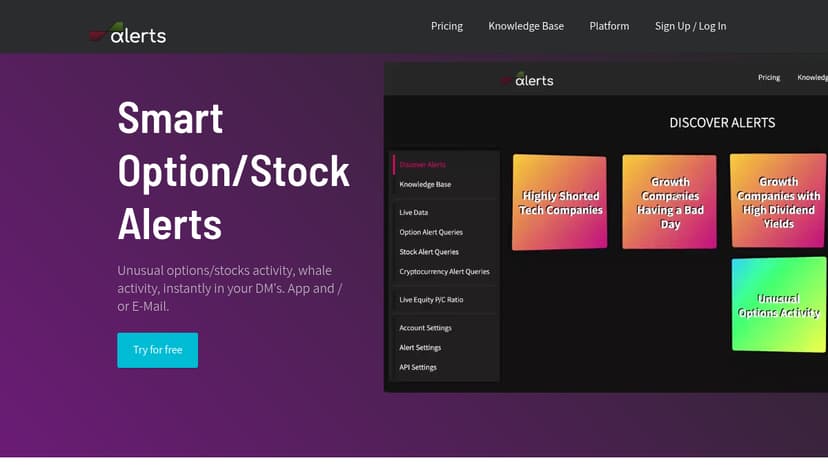
Freemium
Composer
Automated trading platform for building and executing strategies.
Freemium
PortfolioPilot
Personalized investment recommendations and portfolio management platform.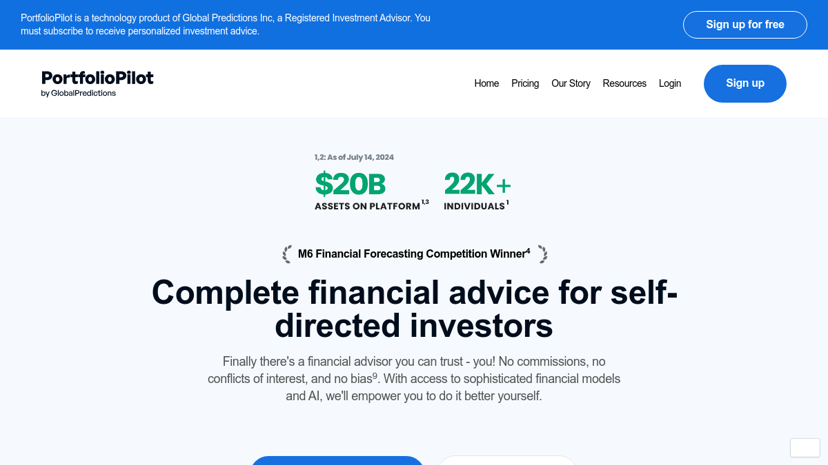
Freemium
StockNews.AI
AI-driven financial news insights for informed investment decisions.
Freemium
AltIndex
Alternative data analytics for informed investment decisions and alerts.
Investing: Building a Path to Financial Stability
Investing is the act of allocating money with the expectation of generating a financial return or profit in the future. Unlike saving, which typically involves setting aside money in secure, low-yield accounts, investing exposes capital to various assets like stocks, bonds, real estate, or mutual funds in hopes of achieving higher returns. As a proactive approach to growing wealth, investing offers the potential for financial stability, future financial freedom, and the ability to achieve long-term financial goals.
Why People Should Consider Investing
Investing serves multiple valuable purposes. First and foremost, it provides an opportunity to grow wealth over time. Unlike savings accounts with minimal interest rates, investments have the potential to generate significant returns, helping individuals outpace inflation and build a more valuable financial portfolio.
Additionally, investing aids in achieving long-term objectives such as retirement, purchasing a home, or funding education. With proper planning and a diversified portfolio, investments can help meet these goals more effectively than traditional saving methods.
Investing also offers the benefit of passive income. Certain investments, such as dividend-paying stocks or rental properties, generate ongoing income without the need for daily management. This can supplement an individual’s primary income, providing greater financial security and an additional revenue stream.
Common Features of Investments
Different types of investments come with various features and characteristics:
-
Risk and Return: Investments vary in their levels of risk and potential return. Stocks typically offer higher returns but come with greater risk, while bonds are generally more stable but yield lower returns. Balancing risk and return according to one’s financial goals and risk tolerance is critical.
-
Liquidity: This refers to how easily an investment can be converted into cash. Stocks and bonds are usually more liquid, while real estate can take longer to sell and convert into cash.
-
Diversification: Diversifying a portfolio by investing in different types of assets can help manage risk. A diversified portfolio reduces the impact of any single investment’s poor performance on the overall portfolio.
-
Time Horizon: The length of time one plans to hold an investment influences the types of assets chosen. Long-term investments can generally withstand more risk, while short-term investments might prioritize liquidity and lower risk.
-
Tax Implications: Different investments come with varying tax consequences. Understanding these can help in planning an efficient investment strategy and potentially maximizing after-tax returns.
What to Look Out for When Choosing Investments
Choosing the right investment product requires careful consideration of several key factors:
-
Financial Goals: Clearly defined financial goals guide the investment strategy. Whether saving for retirement, a home, or education, the choice of investment should align with these objectives.
-
Risk Tolerance: An individual’s comfort level with risk plays a significant role in selecting investments. Some may prefer the stability of bonds, while others may opt for the potential high returns of stocks.
-
Investment Costs: Fees and expenses associated with investment products can eat into returns. It’s important to consider transaction fees, management fees, and other associated costs.
-
Returns History: While past performance doesn’t guarantee future results, understanding an investment’s historical returns can provide insight into its performance trends.
-
Market Conditions: The state of the economy and financial markets influences investment performance. Staying informed about current market conditions can help in making more informed decisions.
-
Professional Advice: Consulting with a financial advisor can provide personalized advice tailored to individual financial situations and goals, ensuring a more strategic approach to investing.
Investing is a valuable tool for anyone looking to secure their financial future. By understanding the key features of various investments and carefully considering individual financial goals and risk tolerance, individuals can make informed choices that support their long-term financial well-being.