

Best IT Infrastructure products
IT infrastructure encompasses the hardware, software, networks, and services required for the operation and management of an organization's IT environment. We can assist in identifying optimal products tailored to your needs.
Freemium
LogicMonitor
AI-powered hybrid observability for streamlined IT operations.
Freemium
Paessler
Comprehensive network monitoring software for IT infrastructure.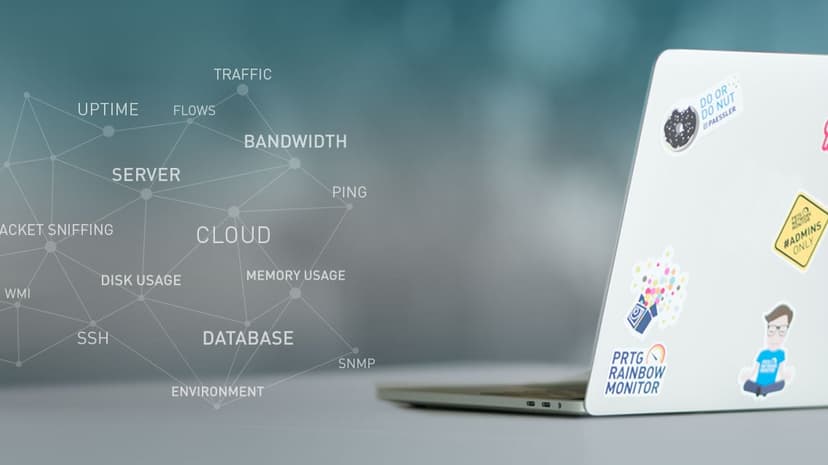
Freemium
Logmind
AI-driven platform for automatic log issue detection and resolution.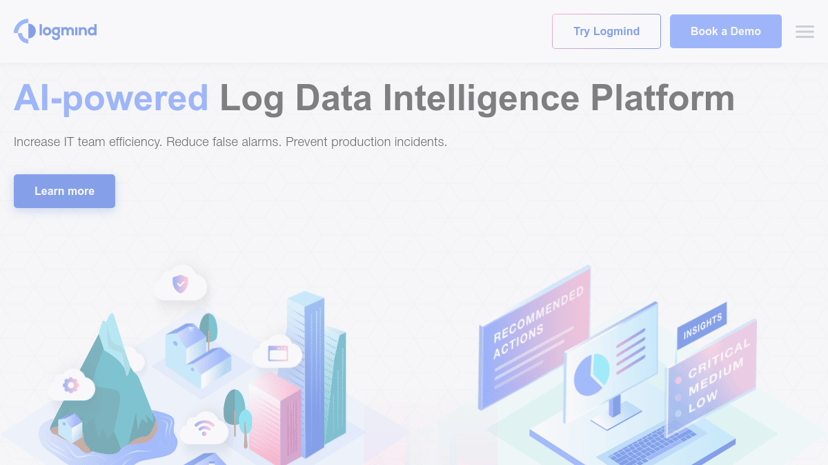
Freemium
GoTo
Comprehensive business communication and IT support software solutions.Paid
Radmin
Reliable remote desktop software for secure tech support.
Understanding IT Infrastructure: A Guiding Overview
IT infrastructure forms the backbone of any modern organization, encompassing all the physical and virtual resources that support the overall IT environment. This includes hardware such as servers, networking devices, and storage systems, as well as software components like operating systems, application servers, and data management solutions. For businesses of all sizes, establishing a robust IT infrastructure is essential, as it directly impacts overall efficiency and productivity.
Why Invest in IT Infrastructure?
Investing in a sound IT infrastructure offers numerous benefits. It can streamline operations, improve communication, and enhance data security. With a reliable infrastructure, organizations can effectively manage their internal processes, allowing employees to focus on core business activities without the distraction of technical issues. Furthermore, a well-structured IT infrastructure supports scalability—helping businesses adapt to changing needs, whether it’s accommodating growth, introducing new services, or entering different markets.
For small businesses in particular, building a solid IT foundation can provide a competitive edge. It fosters an environment where innovation thrives and customer service improves, directly contributing to increased customer satisfaction and loyalty. On a broader scale, a well-integrated IT setup also mitigates risks, ensuring data integrity and protecting sensitive information from potential breaches.
Common Features of IT Infrastructure
When evaluating IT infrastructure, it is essential to consider several core features:
- Scalability: The ability to expand or modify the infrastructure as the business grows.
- Reliability: Systems should provide consistent performance with minimal downtime.
- Security: Robust security protocols are necessary to protect data and maintain privacy.
- Integration: Seamless collaboration between hardware and software components enhances overall functionality.
- Management Tools: Tools that simplify monitoring and managing the IT environment can save time and reduce costs.
- Support and Maintenance: Reliable technical support ensures that any issues are promptly addressed to minimize disruptions.
Considerations When Choosing IT Infrastructure Products
Selecting the right IT infrastructure can be a complex decision-making process. Here are a few important considerations:
- Cost: Evaluate not only the upfront costs but also ongoing fees associated with management, maintenance, and potential upgrades.
- Vendor Reputation: Research the track record of vendors to ensure they have a history of reliability and strong customer service.
- Customization: Look for products that can be tailored to meet specific organizational needs and objectives.
- User Experience: Ease of use should be a factor, as complex systems can lead to inefficiencies and increased training costs.
- Future Growth: Choose solutions that not only meet current requirements but also anticipate future trends and technologies.
Finding the Right IT Infrastructure Solutions
Navigating the world of IT infrastructure products can be daunting, given the vast array of options available. It is important to have access to comprehensive resources that outline the various offerings. A directory of the best IT infrastructure products can be incredibly helpful. These directories typically include:
- Detailed descriptions of products and their features
- Pricing information to aid in budgeting
- Comparisons with competing products
- Insights into alternatives that may better suit specific business needs
Having access to this information allows businesses to make informed decisions and select the solutions that align best with their goals, enhancing both operational efficiency and overall performance.
In conclusion, a well-planned and maintained IT infrastructure can provide significant advantages for any organization looking to thrive in a constantly evolving digital landscape. Being well-informed and choosing the right components is crucial for leveraging the full potential of technology to drive success.