

Best IT Service Management products
IT Service Management (ITSM) optimizes IT services delivery and aligns them with business needs. We can assist you in identifying the best tools and solutions tailored to your requirements.
Freemium
PingPlotter
Monitor latency, packet loss, jitter; visualize network performance over time.
Freemium
AnyDesk
Fast, secure remote desktop software with customizable features.
Freemium
SolarWinds
Powerful observability and IT management solutions for hybrid environments.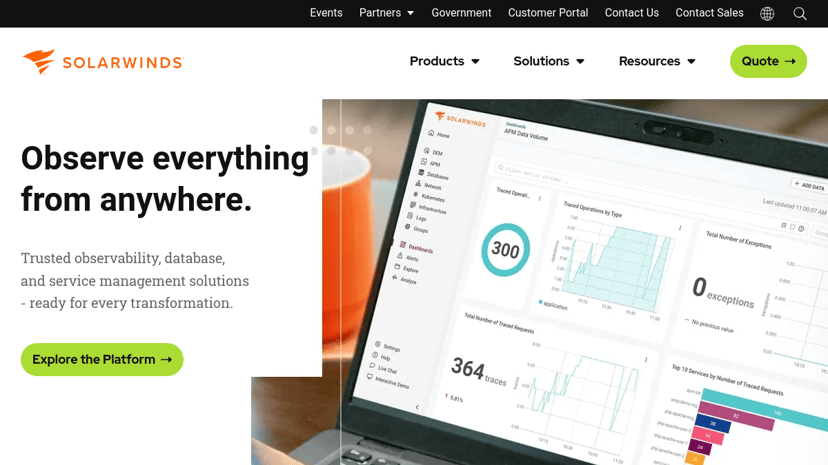
Freemium
RealVNC
Secure remote access software for desktop and mobile devices.
Understanding IT Service Management
IT Service Management (ITSM) encompasses the strategies, processes, and tools used to plan, deliver, manage, and improve IT services within an organization. The foundational goal of ITSM is to align IT services with the needs of the business. By viewing IT as a service provider to the organization, ITSM fosters a sense of collaboration among stakeholders and contributes to better customer satisfaction.
Why Consider IT Service Management?
Organizations today rely heavily on technology to function effectively. As businesses grow and evolve, managing IT has become increasingly complex. Implementing ITSM practices can streamline operations, improve service delivery, and enhance communication across departments.
-
Increased Efficiency: ITSM automates many processes, reducing manual workloads and allowing teams to focus on higher value tasks. This leads to quicker response times and minimizes the risk of human error.
-
Enhanced Service Quality: With ITSM, IT teams can monitor and review services more effectively, ensuring consistency and reliability that help exceed customer expectations.
-
Cost Savings: By optimizing resources and minimizing downtime, organizations can significantly reduce IT costs. Better alignment between IT services and business goals also leads to informed decision-making regarding investments.
-
Improved User Experience: With structured processes in place, users benefit from timely support and continuous service improvements, resulting in higher satisfaction levels.
-
Better Compliance and Risk Management: ITSM frameworks often include compliance measures that help organizations meet regulatory requirements while managing risks effectively.
Common Features of ITSM Solutions
When exploring ITSM solutions, several features are commonly found across platforms:
-
Incident Management: Tools that help teams record, manage, and resolve incidents efficiently to restore normal service operations swiftly.
-
Change Management: Processes to handle changes in the IT environment while minimizing disruption. This includes approval workflows and assessment of potential impacts.
-
Problem Management: Features that help identify the root causes of recurring incidents and implement preventative measures.
-
Service Catalog Management: A centralized portal where users can request services, view available IT offerings, and track the status of their requests.
-
Asset and Configuration Management: Tools that maintain a detailed inventory of IT assets and their configurations, aiding in resource management and decision-making.
What to Consider When Selecting ITSM Products
When looking for an ITSM solution, several factors should guide your decision:
-
Scalability: The solution should grow with your organization. It must support increased users, services, and complexities without significant additional costs.
-
Integration Capabilities: ITSM tools should easily integrate with existing software such as CRM, project management, and collaboration tools to ensure seamless operations.
-
User Interface and Experience: The platform should be user-friendly, enabling quick onboarding and minimal training requirements for staff.
-
Support and Training: Ensure you have access to adequate support and training resources to maximize the potential of the ITSM tool you choose.
-
Cost: Evaluate the pricing structure of the ITSM solution. It should align with your budget while providing the necessary value and features.
Finding the Right ITSM Solution
Choosing the right ITSM product is essential for maximizing the benefits. We understand the challenges organizations face in making this decision. Our directory provides a comprehensive list of the best ITSM products available on the market. This resource includes detailed descriptions of their features, pricing structures, and comparisons with competitors and alternatives. By reviewing the available options, organizations can make informed decisions that align with their specific needs and business goals, ultimately enhancing their IT service delivery.