

Best Knowledge Management products
Knowledge Management involves capturing, sharing, and utilizing organizational knowledge to enhance efficiency and innovation. We can assist in identifying top products that facilitate effective knowledge management solutions.
Freemium
Help.center
AI-powered customer support knowledge base and chatbot solution.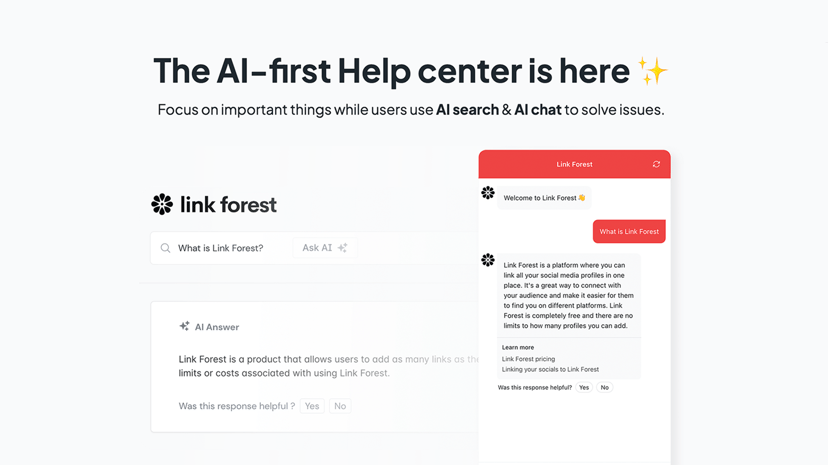
Product
DEVONtechnologies
Apps for document management and web research on Mac and iOS.
Freemium
ClipGPT
AI-powered platform for summarizing and organizing bookmarks and notes.
Custom Pricing
PrivateGPT
PrivateGPT offers secure, efficient access to company knowledge bases.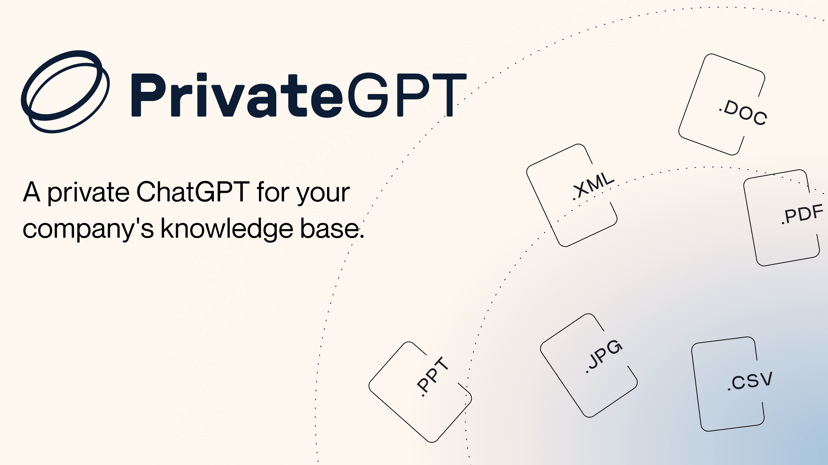
Freemium
Knowbase
Store and chat with your organized knowledge files.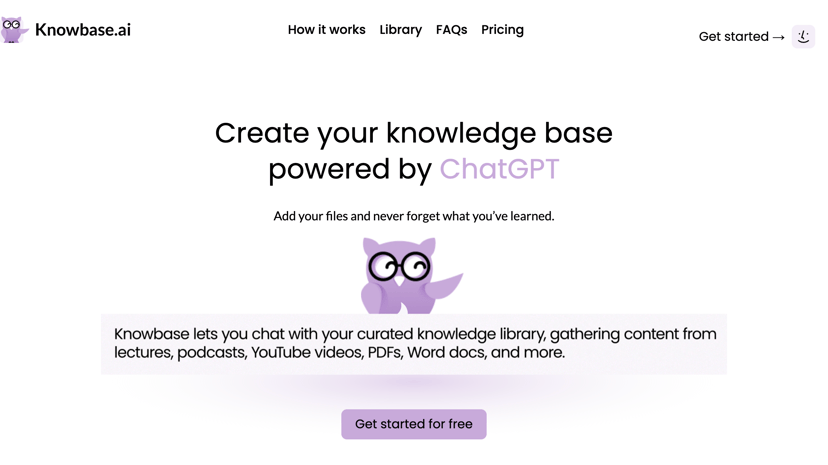
Freemium
Notion
All-in-one workspace for documents, projects, and collaboration.
Product
Traversaal AI
AI-powered conversational search and recommendation solutions for enterprises.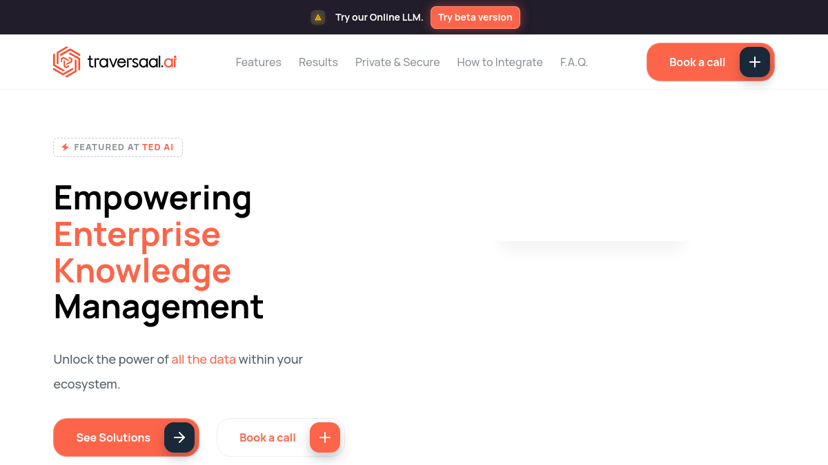
Freemium
Unblocked
Unblocked enhances code understanding using contextual insights from tools.
Freemium
Rewatch
AI-driven meeting summaries and collaborative video workspace.
Freemium
DataBorg
AI-powered platform for data extraction, integration, and analysis.
Freemium
Nuclia
AI platform for indexing unstructured data and generating insights.
Freemium
SaveDay
Smart bookmark manager for organizing and utilizing knowledge efficiently.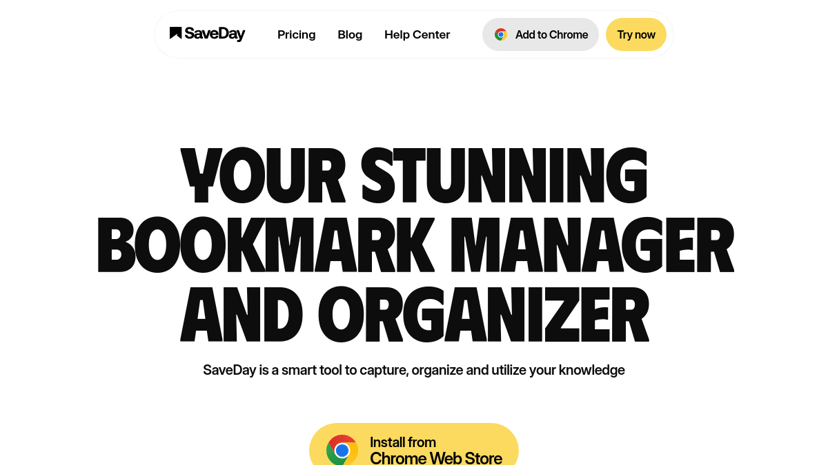
Product
Dendron
Organize and reference information with a personal knowledge base.
Freemium
Omniscience
AI tool for writing books and automating citations efficiently.
Freemium
Capacities
Powerful note-taking tool for organizing and connecting ideas.
Product
Zoomin
Unified knowledge platform delivering personalized, efficient product support.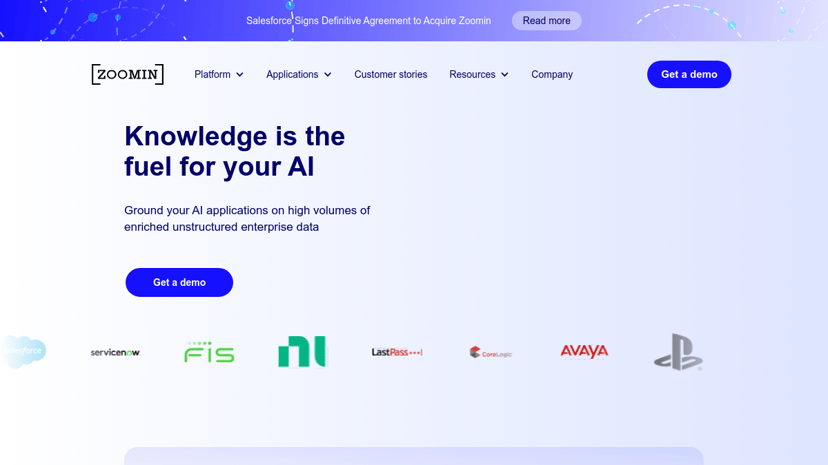
Freemium
Unlost
Effortless memory recall and organization using natural language.
Freemium
Visus
Train a customized ChatGPT AI using your documents.Freemium
Clarify AI
Transform vague ideas into structured insights with AI assistance.
Freemium
Curateit
Your second brain for research and productivity organization.
Freemium
Akooda
AI-powered enterprise search platform for data-driven decision-making.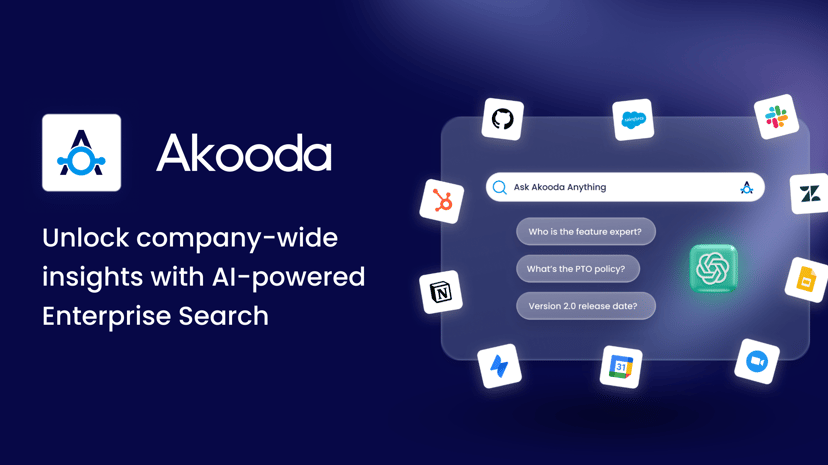
Freemium
EnhanceDocs
AI-powered documentation search and content suggestion tool.
Freemium
Glean
Work AI platform for data-driven content creation and automation.
Freemium
Fini
AI chat solution integrating with various communication platforms.
Freemium
Sense
AI tool for organizing and managing work information efficiently.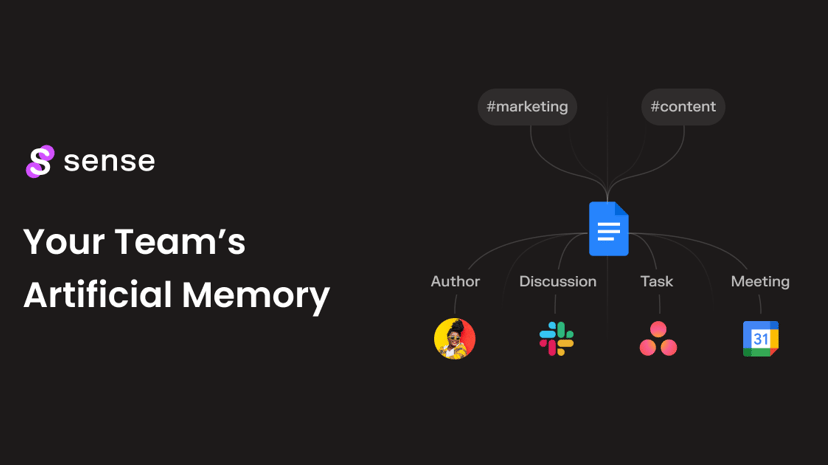
Product
DiveDeck
AI-driven dialogue organization into clear, navigable decks.
Freemium
ChatHelp.ai
AI-powered chatbot for business, work, and study assistance.
Freemium
Lettria
Transforms unstructured data into structured knowledge for decision-making.
Freemium
Kognitium
AI assistant for personalized information and advanced insights.
Freemium
ProProfs
Knowledge management software for training, quizzes, and support.
Understanding Knowledge Management
Knowledge Management (KM) is an organizational approach that aims to create, share, and effectively utilize knowledge. In today’s fast-paced and information-rich environment, organizations are becoming increasingly aware of the need to capture valuable insights and experiences of their employees. KM encompasses processes and tools that facilitate the collection, organization, and dissemination of knowledge, ensuring that individuals and teams can access the information they need to perform their duties effectively and make informed decisions.
Benefits of Knowledge Management
Implementing a Knowledge Management system can lead to numerous benefits for both individuals and organizations. One of the primary advantages is improved efficiency. When information is organized and easily accessible, employees spend less time searching for data and more time focusing on their core responsibilities. This streamlining can result in increased productivity and enhanced performance.
KM also fosters collaboration. By providing a central repository for information and best practices, team members can share their expertise and learn from one another. This collaborative environment enhances innovation, as diverse perspectives can lead to more creative solutions to problems. Additionally, better communication can help build a stronger organizational culture, as employees feel more connected and supported.
Another significant benefit of Knowledge Management is the preservation of organizational knowledge. As employees come and go, valuable insights and experiences can be lost. A systematic approach to KM helps capture this knowledge, ensuring that it remains within the organization for future use. This preservation not only minimizes the risk of lost expertise but also aids in onboarding new employees, enabling them to learn from past experiences faster.
Common Features of Knowledge Management Systems
When considering a KM system, certain features can greatly affect its effectiveness. A user-friendly interface is essential, as it determines how easily team members can access and contribute to the knowledge base. Search functionality should be robust, allowing users to quickly locate the information relevant to their needs.
Collaboration tools are crucial for facilitating knowledge sharing among team members. Features like discussion forums, document sharing, and version control help users engage with one another and keep track of updates. Additionally, integration with existing tools and platforms can streamline workflows, making it even easier to incorporate KM into daily operations.
Analytics capabilities can also be beneficial. By tracking usage and engagement metrics, organizations can identify knowledge gaps and understand how information is being utilized. This insight can inform future content creation and help improve the overall effectiveness of the KM system.
What to Consider When Choosing a Knowledge Management Product
When looking for a Knowledge Management product, several factors come into play. First, it is important to assess your organization’s specific needs and objectives. Understanding how knowledge flows within your organization can help pinpoint the right features to look for.
Cost is another critical consideration. Different products come with various pricing structures, and it's worthwhile to evaluate the budget constraints of your organization. Additionally, the support and training offered by the vendor are essential aspects to consider, as successful implementation often depends on how well employees understand and embrace the system.
Finally, scalability plays a role. An effective KM solution should be adaptable to your organization’s growth and evolution over time. Choose a product that can grow with your business needs, ensuring that it remains relevant and useful.
How We Can Help
Finding the right Knowledge Management system can be challenging given the variety of options available. We provide a comprehensive directory of the best products in the KM space, showcasing their features, pricing, competitors, and alternatives. This resource can help organizations make well-informed decisions, ensuring they choose the product that best aligns with their goals and needs. By streamlining the selection process, we aim to empower organizations to enhance their knowledge management practices effectively.