

Best Location-Based Services products
Location-Based Services utilize geolocation technology to deliver personalized content and recommendations. Our expertise can help you discover the most effective products tailored to your specific needs and location.
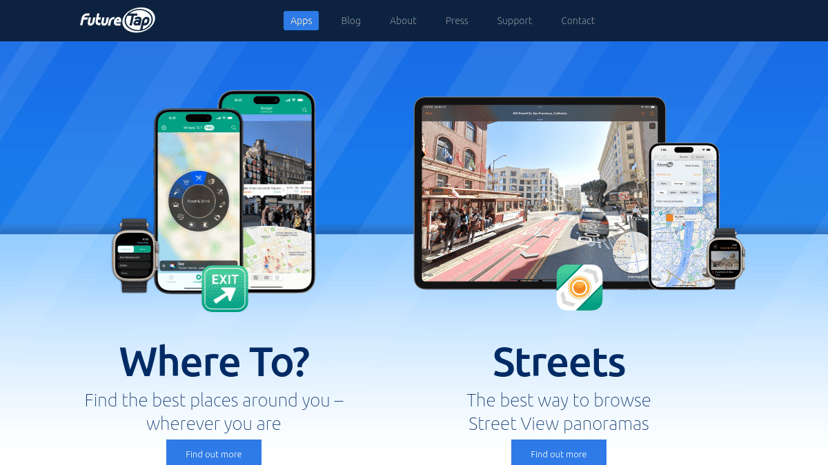
Understanding Location-Based Services
Location-Based Services (LBS) are applications that utilize geographic data to provide relevant information and services to users based on their current location. These services make use of GPS, Wi-Fi, and cellular data to navigate, offer recommendations, and facilitate communication in real-time. By harnessing real-world location data, LBS can enhance user experience and streamline a variety of tasks, making daily routines easier and more efficient.
Why Use Location-Based Services?
People increasingly rely on LBS for a multitude of reasons. For everyday users, these services improve navigation, provide targeted marketing, and enhance social networking. For instance, when searching for nearby restaurants, a location-based app can yield tailored recommendations based on proximity, ratings, and user preferences. This tailored experience is not just convenient; it can lead to discovering new local businesses and better engagement with services.
Businesses, on the other hand, can leverage LBS for improved customer engagement and operational efficiency. Targeted advertising, based on a user's location, can drive foot traffic to stores and increase conversion rates. Additionally, LBS can support logistics and supply chain management by providing contractors with real-time tracking of goods and services.
Common Features of Location-Based Services
When exploring various LBS applications, several features stand out as essential:
-
Navigation and Mapping: Real-time GPS navigation with accurate mapping capabilities provides users with step-by-step directions and traffic updates.
-
Geofencing: This feature allows businesses to create virtual boundaries and trigger notifications or offers when users enter or leave specific areas.
-
Local Listings and Reviews: Many services come integrated with user-generated reviews and listings to help users make informed decisions about places to visit.
-
Personalized Suggestions: Based on user preferences and past behavior, LBS can recommend activities, dining options, or events tailored to individual interests.
-
Safety Features: Some applications include safety tools, such as SOS notifications or location sharing, enhancing user security during travel or activities.
Considerations When Choosing a Location-Based Service
Selecting the right LBS requires consideration of various factors:
-
Privacy and Data Security: Users should assess how a service collects, stores, and shares their location data. Applications with transparent data policies are preferable.
-
User Interface and Experience: A well-designed interface improves user experience. An intuitive layout is essential for efficient navigation and enjoyment.
-
Integration with Other Tools: Compatibility with existing applications and devices increases versatility and can improve the overall functionality of the service.
-
Cost and Features: Pricing models vary widely among LBS applications. It’s beneficial to analyze the features offered in comparison to the cost to find the best value for your needs.
Finding the Right Location-Based Service
Choosing the best location-based service can be a complex task, given the multitude of options available. Our directory can assist you in navigating this landscape by presenting a comprehensive comparison of the top products. Users can explore detailed feature lists, pricing options, and competitive evaluations. This streamlined information can simplify the decision-making process, allowing you to choose an LBS that best fits your personal or business requirements.
In conclusion, location-based services offer numerous ways to enhance daily life and business operations. By understanding their features and considering essential factors, users can make informed choices that cater to their specific needs.