

Best Low Code products
Low code platforms enable users to create applications with minimal coding skills, accelerating development and reducing costs. We can help you discover the best products tailored to your needs.
Freemium
Dynaboard
Low-code IDE for fast development of full-stack web apps.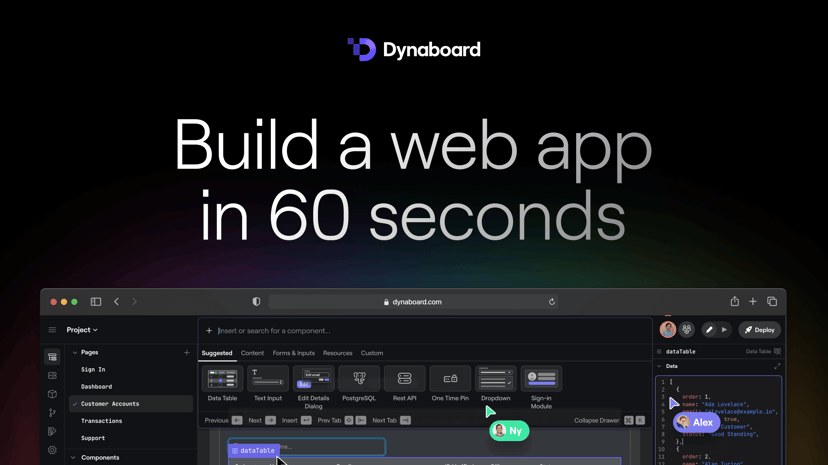
Freemium
Bizagi
Low-code platform for process automation and enterprise applications.
Freemium
Noodl
AI-assisted low-code platform for fast, full-stack application development.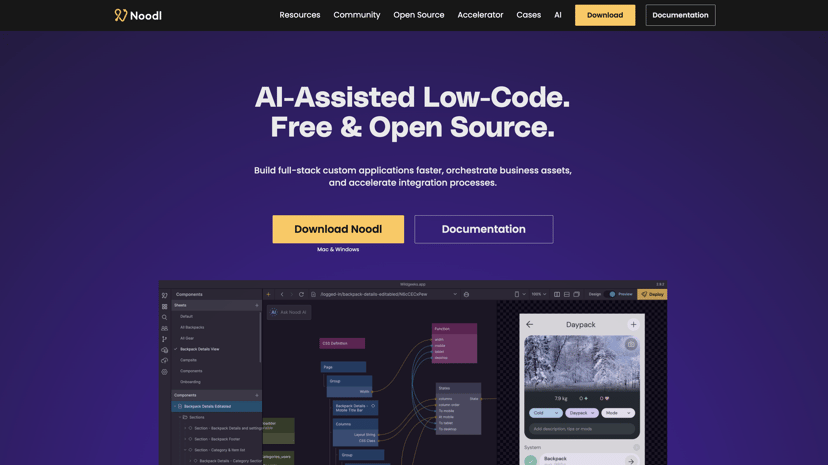
Freemium
UBOS
Low-code platform for building AI applications efficiently.
Freemium
Flowable
Low-code platform for business process automation and workflow optimization.
Freemium
Appsmith
Open-source low-code platform for rapid custom application development.
Custom Pricing
Zenity
Application security for low-code, no-code, and AI development.
Freemium
TeleportHQ
Low-code platform for front-end design and development.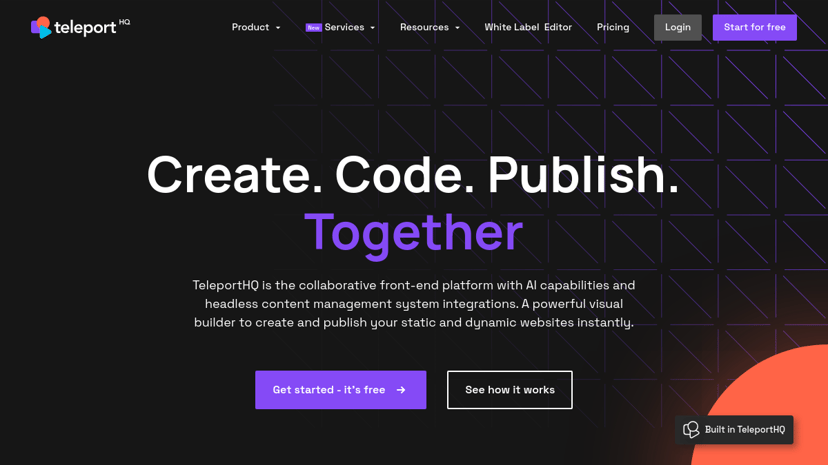
Freemium
Appian
Low-code platform for process automation and data optimization.
Understanding Low Code Development
Low code development has gained traction in recent years as organizations seek to accelerate their application development processes. This approach utilizes visual interfaces and minimal coding, allowing individuals with limited programming skills to create software applications. By simplifying the development process, low code platforms enable businesses to respond more rapidly to market demands and improve productivity in their teams.
Benefits of Low Code Development
One of the main advantages of low code is accessibility. With a lower barrier to entry, business analysts and non-technical users can participate in application development. This inclusivity helps organizations tap into diverse perspectives, often leading to more innovative solutions.
Additionally, low code environments facilitate faster deployment of applications. Traditional coding can be time-consuming, often requiring significant resources and extended timelines. Low code platforms streamline this process by providing pre-built templates and drag-and-drop functionalities, allowing teams to launch projects quicker.
Moreover, low code development can significantly reduce the workload on IT departments. With the ability to delegate smaller projects to less technical staff, IT can focus on more complex tasks that require specialized skills. This efficiency not only helps in maximizing resources but also enhances team morale by allowing everyone to contribute effectively to projects.
Common Features
When exploring low code platforms, several key features are typically present:
-
Visual Development Tools: Drag-and-drop interfaces which allow users to design applications without extensive coding knowledge.
-
Integration Capabilities: Many low code platforms offer seamless integration with existing software, databases, and third-party applications, which is crucial for maintaining workflow efficiency.
-
Pre-Built Templates and Components: These resources accelerate the building process by providing ready-made solutions that users can customize to meet their needs.
-
Real-time Collaboration: The ability for multiple users to work simultaneously on a project fosters teamwork and enhances the agile development process.
-
Security and Governance Features: Ensuring that applications meet security standards and compliance regulations is vital, especially in industries that handle sensitive data.
Choosing the Right Low Code Platform
Selecting the right low code solution involves considering several factors:
-
Use Case: Identifying the specific needs of your organization can greatly impact your choice. Platforms are often tailored to particular industries or types of applications.
-
Ease of Use: A user-friendly interface is essential for accommodating both technical and non-technical users.
-
Scalability: As business needs evolve, the ability of the platform to expand in functionality is critical for long-term use.
-
Support and Community: Good customer support and a strong user community can be invaluable when encountering challenges or seeking best practices.
-
Pricing Model: Understanding the cost structure of the platform—including subscription fees, costs per user, and tier levels—can help find a solution that fits within budget constraints.
How We Can Help
Finding the optimal low code development product can be a daunting task given the diverse options available in the market. Our directory offers a comprehensive overview of the best low code products, highlighting their unique features, pricing structures, competitors, and alternatives. With detailed comparisons and user reviews, individuals and businesses can make informed choices that align with their goals, ultimately leading to improved efficiency and innovation in their development practices.