

Best Music Editing products
Music editing involves manipulating audio tracks to enhance sound quality and structure. We can assist you in discovering top-notch software and tools tailored for your music editing needs.
Paid
Scuffham Amps
Professional quality guitar amp modeling VST and plugins.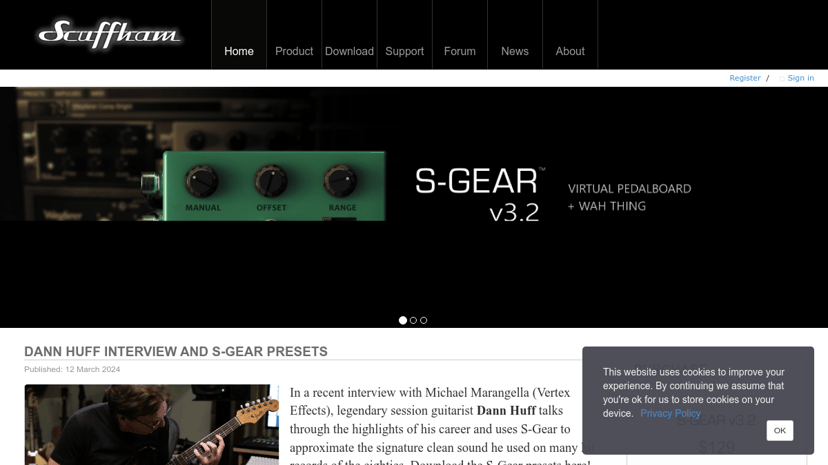
Product
AudFree
Music converter for Spotify, Tidal, Apple Music, and more.
Product
AudioDope
Free audio editor with support for multiple formats and effects.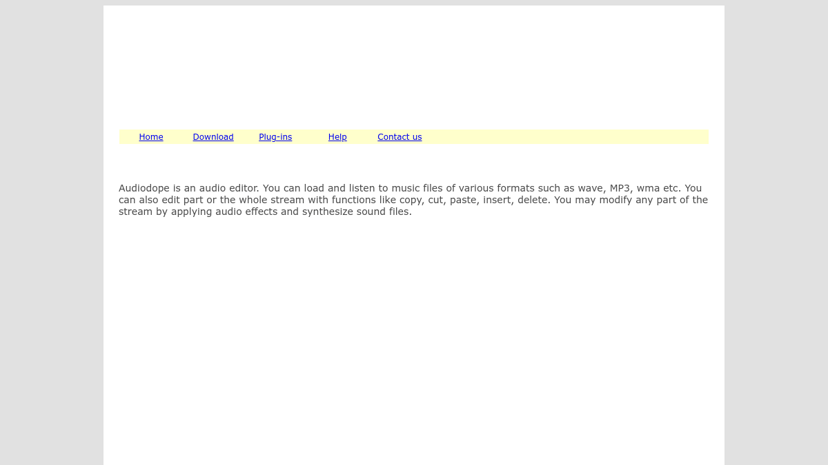
Product
IK MULTIMEDIA
Sound solutions including interfaces, monitors, synths, and software.
Product
Beyond
Easily sell and share music with fans and artists.
Product
DDMF
High-quality audio plugins for various digital audio workstations.
Music Editing: Enhance Your Creative Projects
Music editing refers to the process of manipulating audio tracks, allowing users to cut, splice, mix, and arrange sounds to create polished and professional-sounding music. Whether it's for a personal project, a podcast, or a feature film, music editing provides the necessary tools to enhance auditory experiences and convey emotions effectively.
Why Use Music Editing?
The importance of music editing lies in its ability to refine auditory expression. It opens doors for musicians, content creators, and organizations by enabling them to construct soundscapes that complement specific themes or messages. For artists, the precise editing of tracks can lead to the production of high-quality recordings that stand out in a crowded marketplace. For businesses, well-edited audio content, whether it be for marketing purposes, training materials, or brand identity, can increase engagement and improve audience retention.
Using music editing software can lead to improved sound quality, the ability to experiment with different audio elements, and the capacity to effectively highlight important moments within a piece. Those who utilize these tools often discover that the right audio adjustments can significantly elevate the overall impact of their projects.
Common Features of Music Editing Tools
When exploring music editing software, users may encounter a variety of features that cater to different needs. Some common functionalities include:
- Multi-Track Editing: This allows users to work with multiple sound layers simultaneously, facilitating more complex arrangements.
- Audio Effects: Features like reverb, delay, compression, and equalization can enhance audio quality and provide depth to the sound.
- Support for Various File Formats: A good music editing tool should accommodate different audio formats, making it versatile for various use cases.
- Automation: This feature lets users control various parameters (like volume and effects) over time, allowing for dynamic changes within the music.
- Intuitive Interface: User-friendly interfaces can lead to a smoother editing experience, particularly for beginners.
What to Look for When Choosing Music Editing Software
Deciding on the best music editing software can be daunting due to the plethora of options available. Here are some key factors to consider:
- Skill Level: Different software caters to varying levels of expertise. Beginners may benefit from more straightforward programs, while experienced users might look for advanced tools with greater flexibility.
- Budget: It is essential to evaluate the pricing structure, including one-time purchase options versus subscription-based models. Analyzing what features come with these pricing plans can help you make a more informed decision.
- Supported Platforms: Ensure that the software is compatible with your operating system—some programs are exclusive to Windows, macOS, or even mobile devices.
- Community Support: A vibrant user community can be invaluable for troubleshooting and sharing tips. Software that offers strong user resources can ease the learning curve.
Discovering the Right Music Editing Tool
Finding the best music editing product that meets specific needs can be simplified through organized resources. A well-curated directory that highlights various software options can provide clear comparisons of features, pricing, competitors, and alternatives. By exploring the available choices, one can identify the software that aligns with personal or business goals effectively.
In summary, music editing serves as a powerful creative tool for enhancing auditory experiences. Whether for artistic expression or business objectives, understanding the features and capabilities of different music editing tools can significantly improve the final product. With the right software, users will not only achieve their desired sound but also create memorable audio experiences.