

Best Patient Management products
Patient management involves coordinating healthcare services and information to enhance patient care. We can assist you in identifying top products that streamline processes and improve patient outcomes.
Custom Pricing
Ambience Healthcare
AI-based documentation system enhancing healthcare efficiency and quality.
Custom Pricing
Arini AI
AI receptionist streamlining dental practice operations and patient communication.
Paid
Sully.ai
All-in-one AI Medical Assistant for efficient doctor-patient workflows.
Freemium
Insight Health
AI-powered virtual care assistant for efficient patient management.
Freemium
Freed
AI medical scribe that streamlines clinical documentation efficiently.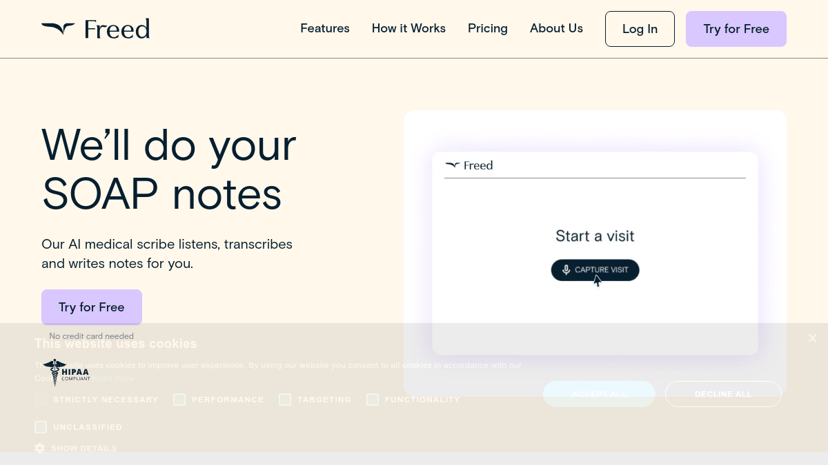
Freemium
In-House Health
AI-driven platform for efficient nurse scheduling and management.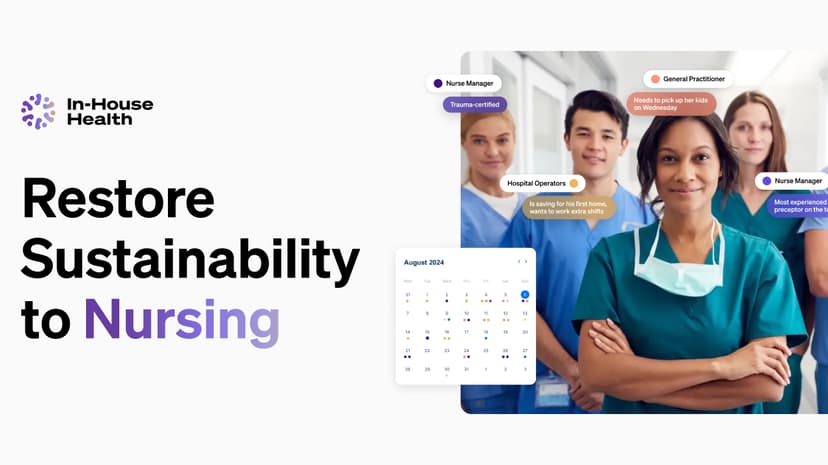
Understanding Patient Management Systems
Patient management refers to the streamlined processes and systems that healthcare providers employ to efficiently handle patient information, scheduling, communication, and care. As the healthcare environment becomes increasingly complex, implementing effective patient management can significantly improve service delivery, enhance patient satisfaction, and foster better health outcomes.
The Importance of Patient Management
Having a robust patient management system in place is crucial for several reasons. First, it allows healthcare providers to organize and maintain patient records more effectively, which leads to improved data accuracy and accessibility. This ensures that practitioners have the right information at their fingertips when making decisions about patient care.
Moreover, a patient management system can help manage appointments and reduce wait times. Patients have a better experience when they can book appointments conveniently, receive reminders, and have quick access to their health information. This accessibility not only nurtures patient satisfaction but also helps practitioners manage their time and resources more effectively.
Institutions can expect to see improved operational efficiency as well. By automating routine tasks, staff can focus their efforts on more critical aspects of patient care, facilitating a smoother workflow within the practice. Efficient billing practices are another essential benefit, leading to timely reimbursements and fewer payment discrepancies.
Key Features to Look For
When exploring patient management systems, it is important to consider specific features that can greatly benefit the practice:
-
Patient Records Management: A comprehensive module for storing and accessing patient histories, medications, allergies, and treatment plans.
-
Appointment Scheduling: Tools that streamline the booking process for both patients and staff, including reminders and automated confirmations.
-
Billing and Insurance Management: Features that track payments, manage claims, and generate invoices can simplify the financial side of healthcare.
-
Communication Tools: Enabling secure messaging between patients and providers helps reinforce the relationship and enhances patient engagement.
-
Reporting and Analytics: The ability to analyze patient data and track outcomes can help practices identify areas for improvement and optimize care delivery.
-
Interoperability: A system that easily integrates with other healthcare tools and technologies is essential for a cohesive patient care experience.
Considerations When Choosing a System
Selecting the right patient management system can significantly impact a healthcare practice. A few key aspects to consider include:
-
Scalability: It's essential to choose a system that can grow with the practice, accommodating increasing patient volumes and evolving operational needs.
-
User-Friendly Interface: A user-friendly system minimizes the learning curve for staff and contributes to higher adoption rates.
-
Support and Training: Adequate support and training from the provider help ensure that the staff can utilize all functionalities effectively.
-
Compliance and Security: It is important to verify that the system adheres to HIPAA regulations and maintains a high standard of data security.
Finding the Right Product
Navigating the choices in patient management software can be overwhelming. We offer a comprehensive directory of the best products available, detailing their features, pricing, benefits, competitors, and alternatives. This resource can aid healthcare providers in making informed decisions based on their specific needs and circumstances.
With the right patient management system, healthcare practices can enhance operational efficiencies, improve patient experiences, and ultimately achieve better health outcomes. By evaluating and comparing available options, practitioners can find a solution that not only meets their needs but also supports their overall business goals.