

Best Performance Management products
Performance management involves evaluating and enhancing employee productivity to achieve organizational goals. We can assist in identifying top tools and resources to streamline your performance management processes.
Product
Primate Labs
Cross-platform performance analysis software for processors and AI.
Freemium
Effy AI
AI-powered performance management software for team productivity and engagement.
Freemium
Leapsome
All-in-one platform for performance, engagement, and learning management.
Freemium
Smart PC Utilities
Optimize PC performance and enhance security with various tools.
Freemium
Uptrends
Website and API monitoring for uptime and performance optimization.
Freemium
Bottleneck Calculator
AI-powered tool for analyzing PC bottlenecks and performance optimization.
Freemium
Catzilla
Benchmark software for testing computer performance in gaming.
Paid
Shakespeare
AI-driven marketing solution for dynamic, hyper-personalized creative automation.
Freemium
Ace
AI co-pilot enhancing productivity for engineering managers and developers.
Freemium
OCBASE/OCCT
All-in-one stability, stress testing, benchmarking, and monitoring tool.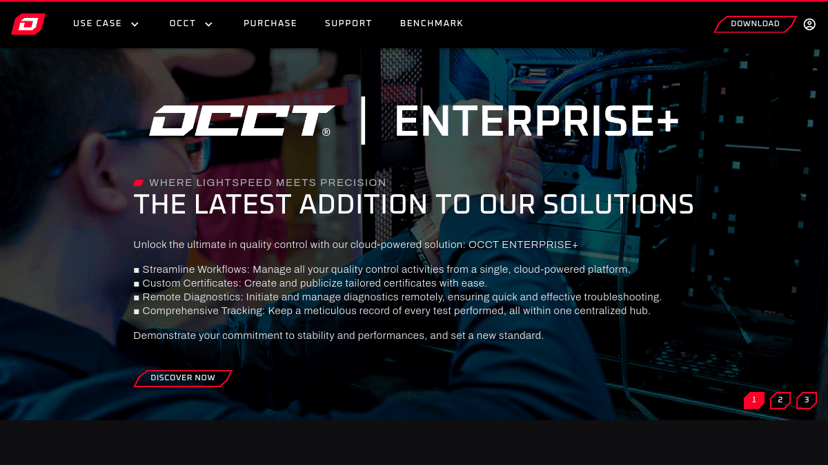
Freemium
Geekbench 6
Cross-platform benchmark measuring CPU and GPU performance across devices.
Freemium
PassMark Software
Comprehensive CPU benchmarking and performance comparison charts.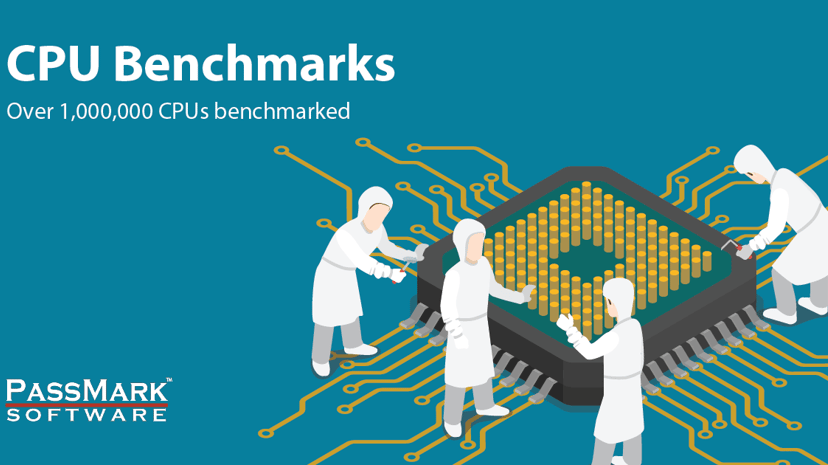
Freemium
Fydback
AI-generated performance feedback with customizable ratings and comments.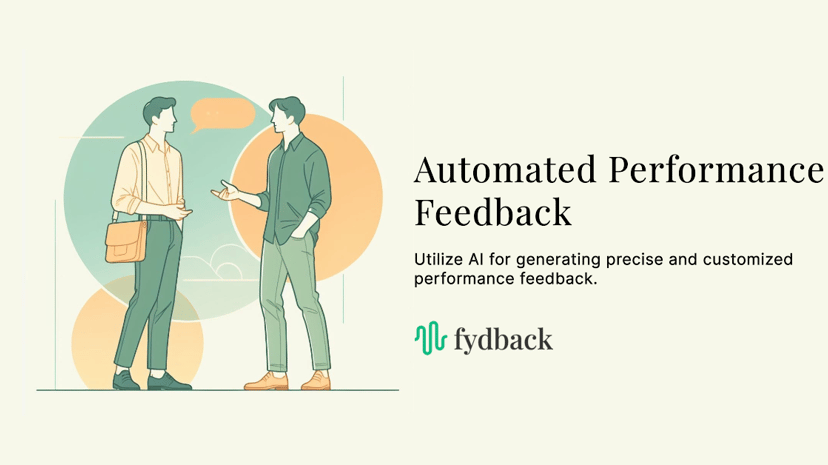
Freemium
ManageBetter
AI-driven performance review software for busy managers.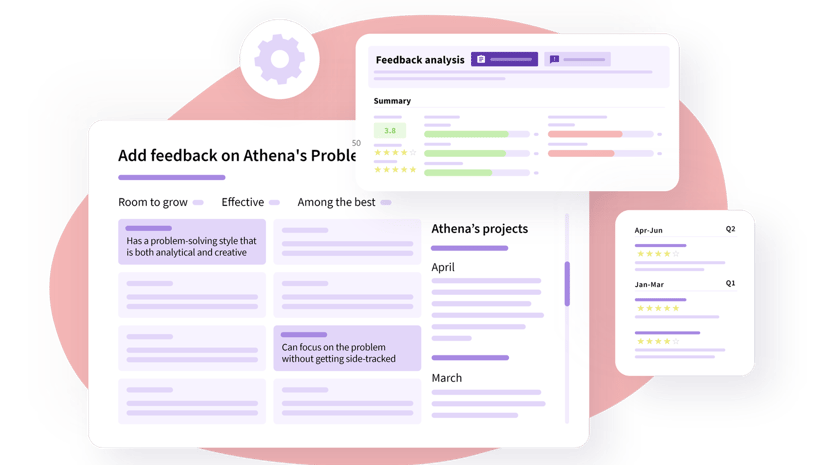
Understanding Performance Management
Performance management is a systematic process aimed at improving organizational performance by enhancing individual and team work performance. It encompasses various aspects including ongoing feedback, goal setting, and performance appraisals. This practice is crucial for both employee development and achieving the overall objectives of a company.
Why Consider Performance Management?
Implementing a performance management system can be beneficial for a variety of reasons. First, it promotes a culture of continuous improvement within the organization. Employees receive regular feedback, which helps them understand their strengths and areas for growth. This can lead to higher engagement levels as individuals feel that their contributions are recognized and valued.
Furthermore, performance management aligns employee goals with organizational goals. By establishing clear objectives, businesses can ensure that everyone is working towards a shared vision. This alignment not only enhances productivity but also drives better business outcomes, as teams can collaboratively work towards achieving their targets.
Common Features of Performance Management Systems
When looking into performance management systems, several common features offer significant advantages:
-
Goal Setting and Tracking: Effective systems allow for collaborative goal setting and real-time tracking. This ensures that employees are aware of their targets and can monitor progress over time.
-
Continuous Feedback: Going beyond traditional reviews, many systems provide platforms for ongoing feedback. This can be peer-to-peer or manager-to-employee, fostering an open dialogue regarding performance and development.
-
Performance Reviews: While continuous feedback is essential, structured performance reviews at regular intervals help formalize evaluations. Many systems facilitate this process with customizable templates and criteria tailored to specific roles.
-
Development Plans: Performance management is not just about evaluation; it is also about growth. Many systems include development planning tools, enabling employees to identify skills they wish to develop and track their progress.
-
Reporting and Analytics: Insightful data can drive performance improvements. Reporting features allow managers to analyze performance trends and employee data, leading to informed decision-making.
What to Consider When Choosing a Performance Management System
When selecting a performance management product, several factors come into play:
-
User Experience: A system should be intuitive and easy to navigate. User interface design matters, as it impacts how employees engage with the tool.
-
Scalability: Choose a tool that can grow with your organization. A system that is scalable allows for the addition of users, features, and capabilities as the business expands.
-
Integration: It is vital to ensure that the chosen system integrates seamlessly with existing tools and technologies used in the organization, such as HR software or collaboration tools.
-
Customization: The ability to tailor the platform to specific organizational needs is important. Look for systems that offer customizable dashboards, templates, and reporting options to match your unique requirements.
-
Support and Training: Consider the level of customer support and training offered. A robust onboarding process can significantly impact how well employees adopt and utilize a new system.
Finding the Best Performance Management Products
Navigating the vast array of performance management products available can be challenging. Our directory helps streamline this process by providing a comprehensive overview of the best products on the market. Each entry includes detailed information about features, pricing, competitors, and alternatives. This resource can assist in making an informed decision that aligns with your business's specific needs and goals, ultimately leading to enhanced organizational performance and employee satisfaction.
By focusing on the right tools, organizations can create a more productive, engaged, and goal-oriented workforce.