

Best Product Management products
Product management involves guiding a product's lifecycle from conception to market, focusing on customer needs and strategic goals. We assist in identifying and selecting the best products tailored to your requirements.
Freemium
Zime
AI-driven sales playbook with actionable, measurable strategies for reps.
Freemium
Monterey AI
AI-powered tool for gathering and analyzing customer feedback.
Freemium
Transmonkey
AI tool for instant translation of documents, images, and videos.
Freemium
Insightio
Generative AI for quick product insights from customer conversations.
Custom Pricing
Enzzo AI
Customizable keyboards and smart wearables for enhanced productivity.
Freemium
airfocus
Modular product management platform for strategy, prioritization, and collaboration.
Freemium
Open Cascade
Digital transformation solutions combining advanced technologies and expertise.
Product
PTC
Digital transformation software for product lifecycle management and optimization.
Freemium
Narratize
AI-powered software for automating product documentation and research.
Freemium
SOLIDWORKS
3D CAD design, analysis, and product data management software.
Freemium
User Vista
In-app surveys for customer insights and feedback analysis.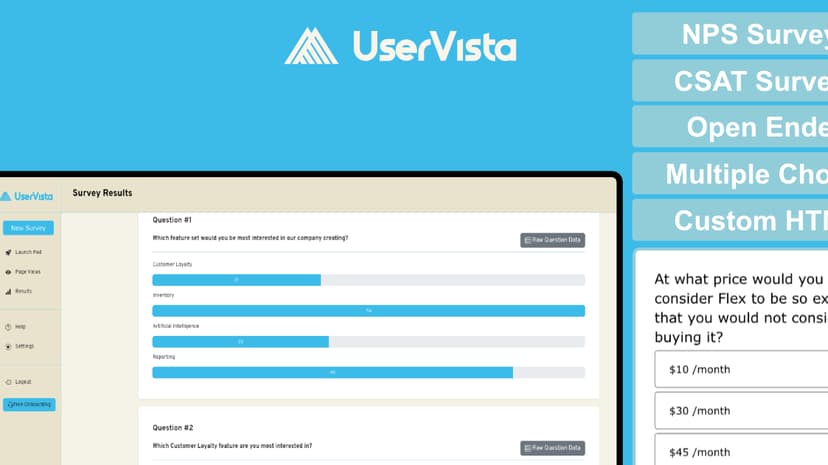
Freemium
Leanbe
Data-driven product management platform for feedback and roadmap.
Freemium
Cycle
Automated tool for capturing product feedback and insights.
Product
LeanAI Ventures
AI-powered MVP development in less than 48 hours.
Freemium
Consumer Reports
In-depth product and service reviews for informed buying decisions.
Freemium
Reprompt
Efficient AI prompt testing and optimization for developers.
Freemium
KitKoo
On-demand product creation and seamless e-commerce integration solutions.
Freemium
Eververse
AI-powered platform for product teams to manage roadmaps.
Freemium
Fibery
Product discovery and development platform for user feedback analysis.
Product
SkyMaker AB
Mass customization solution for product configuration and CAD visualization.
Product
Dreamten
Results-focused design studio crafting apps, websites, and brands.
Paid
Lancey
AI copilot for faster, data-driven product decision-making.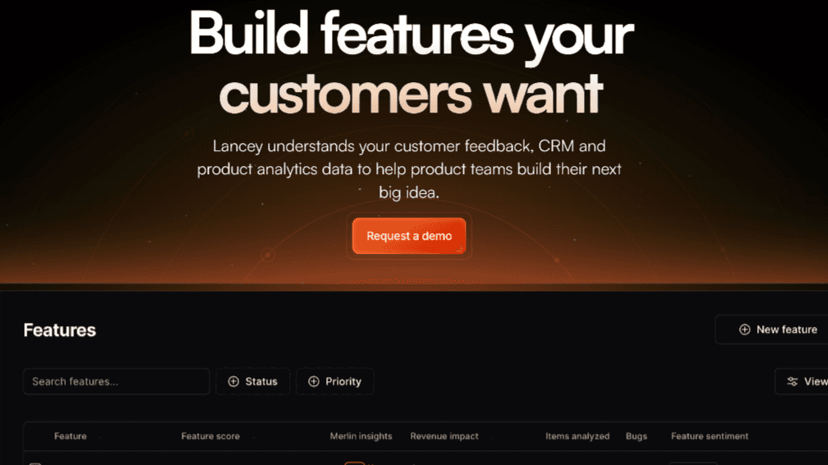
Freemium
Amplitude
Powerful product analytics and event tracking platform for insights.
Freemium
Onshape
Cloud-based platform for collaborative product development and design.
Product
Matrices
AI spreadsheet automates workflows using natural language processing.
Freemium
Allcancode
Rapid product development from idea to market in weeks.
Freemium
Rargus
Generative AI transforming customer feedback into actionable insights.
Freemium
Kraftful
AI tool for analyzing user feedback and optimizing products.
Paid
AutoDWG
Convert between PDF, DWG, DXF, and image formats efficiently.
Freemium
Delibr
AI-driven templates and Jira integration for efficient PRD writing.
Understanding Product Management
Product Management is a crucial discipline that focuses on the development, marketing, and continuous improvement of a product throughout its lifecycle. It involves understanding customer needs, defining product vision, and collaborating across teams to ensure the product achieves its intended goals. As businesses strive to meet the demands of an ever-changing market, effective product management becomes indispensable.
Why Product Management Matters
Product management plays a pivotal role in aligning the product with market needs. A well-managed product not only satisfies customers but also drives business growth. By prioritizing features based on user feedback and market trends, product managers can help teams focus on what truly matters. This alignment often leads to higher customer satisfaction, reduced churn, and ultimately, increased revenue.
For organizations of all sizes, investing in effective product management can result in improved product-market fit. When products are developed with a clear understanding of user requirements, there is a better chance of achieving business objectives. Moreover, strong product management can help minimize wasted resources by ensuring that teams are not working on features that users don’t need or want.
Common Features of Product Management
Product management encompasses a wide range of features and responsibilities. Some of the key components include:
-
Market Research: Understanding the needs, preferences, and behaviors of target customers. This often involves gathering data through surveys, interviews, and competitor analysis.
-
Roadmap Planning: Creating a visual representation of the product’s development journey, including key milestones and feature releases.
-
Cross-Functional Collaboration: Working closely with engineering, marketing, sales, and customer support teams to align goals and share insights.
-
Prioritization Frameworks: Establishing criteria for prioritizing features to focus on those that will deliver the most value to users and the business.
-
Performance Metrics: Defining and analyzing key performance indicators (KPIs) to measure the product’s success and identify areas for improvement.
Choosing the Right Product Management Tool
While the foundational principles of product management remain consistent, choosing the right tools can significantly affect team efficiency and overall product success. When selecting a product management tool, it’s important to consider several factors:
-
User Interface and Experience: The tool should be intuitive and easy to navigate, as a complicated interface can hinder productivity.
-
Integration Capabilities: Look for tools that can easily integrate with other systems used by your team. This could include project management software, communication platforms, and analytics tools.
-
Customization Options: Every business has unique needs. A flexible tool that allows for customization can be beneficial in catering to specific workflows.
-
Reporting and Analytics: Access to comprehensive reporting features helps in measuring success and making data-driven decisions.
-
Customer Support: Quality support is essential, especially when roadblocks arise. Evaluating the level of support offered by the tool's vendor is critical.
How We Can Help
Finding the right product management tools can be overwhelming given the numerous options available. Our platform provides a comprehensive directory of the best product management solutions on the market. This directory includes detailed comparisons of features, pricing structures, competitors, and alternative options. By offering a thorough overview, we aim to simplify your decision-making process and help you identify the tools that best serve your business needs.
In conclusion, product management is a vital element for any organization aiming to improve product quality and customer satisfaction. By understanding its principles and selecting appropriate tools, businesses can work more efficiently and meet customer needs effectively.