

Best Real Estate products
Real estate encompasses buying, selling, and renting properties. We assist in identifying the best options tailored to your needs, ensuring informed decisions for your real estate investments.
Paid
Inhabitr
AI-powered furnishing solution for commercial real estate spaces.Freemium
Jude AI
AI-driven platform for creating compelling real estate content.
Freemium
SourcedDeals
Discover exclusive property investment opportunities and connect with investors.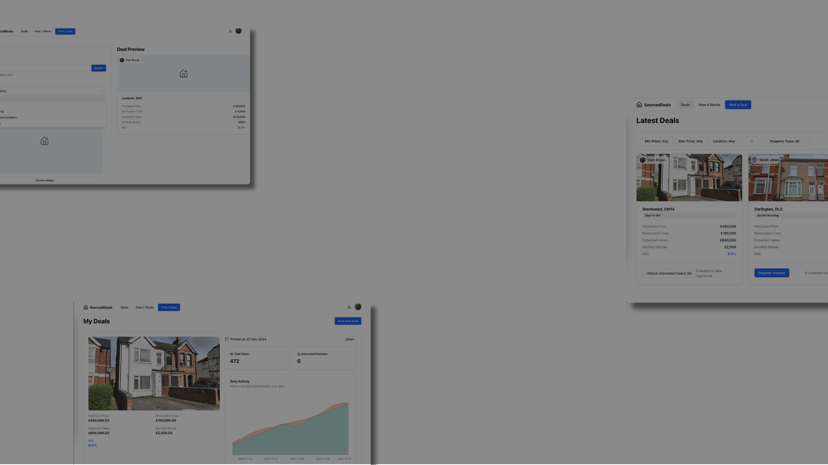
Paid
Ailliot
AI tool for generating real estate content seamlessly.
Freemium
REimagineHome
AI-powered tool for personalized interior design and virtual staging.
Freemium
listingcopy.ai
AI-powered tool for creating engaging real estate content.
Custom Pricing
CoreLogic
Integrated solutions for property data and analytics management.
Freemium
Interior AI
AI tool for interior design and virtual staging.
Freemium
VirtualStaging.art
AI-driven virtual staging for real estate images in seconds.
Freemium
Compass
Browse real estate listings for homes and apartments.
Freemium
Revivoto
Revise real estate photos with virtual staging and enhancements.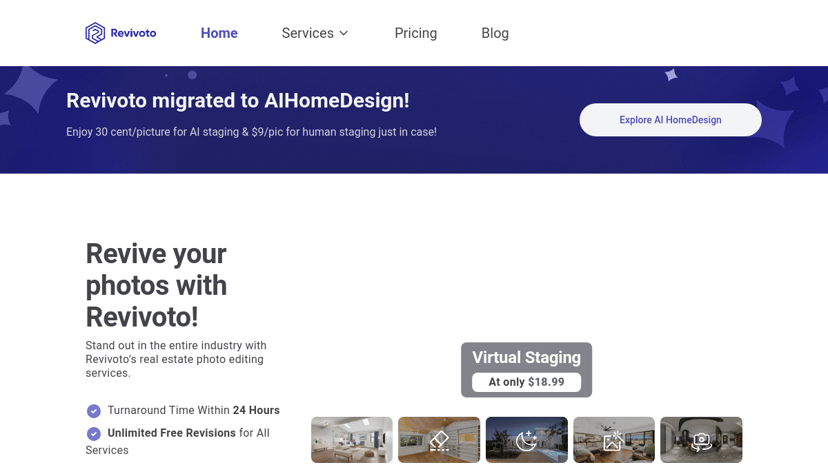
Custom Pricing
OpenHouse.ai
AI-driven marketing solutions for homebuilders enhancing customer engagement.
Freemium
My Real Estate Listing
AI-powered app for generating tailored real estate brochures quickly.
Freemium
Getfloorplan
AI-powered 2D and 3D floor plans with virtual tours.
Freemium
Coflow
Automate property management tasks and streamline maintenance requests.
Freemium
HouseCanary
AI-powered real estate data and analytics for investment insights.
Freemium
HelloData
Automated rent surveys and revenue management for multifamily properties.
Freemium
SofaBrain
AI-powered app for virtual home staging and interior design.
Freemium
EasyListing
AI tool for generating SEO-optimized real estate listings.
Freemium
Virtual House Flip
AI-driven tool for transforming home design and decor.
Product
Owny
Comprehensive platform for managing private capital and banking needs.
Paid
AI Home Design
AI tools for instant real estate photo editing.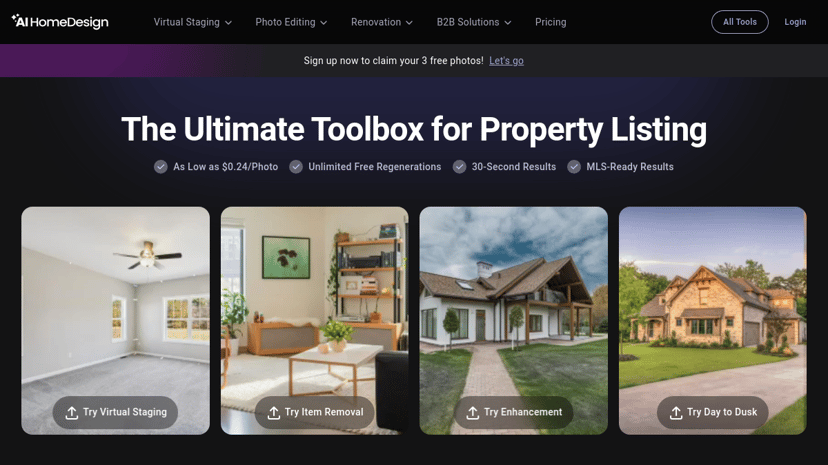
Freemium
ZOYO
AI-powered tools for real estate design and image enhancement.
Freemium
Realtor Blogs
AI-generated, SEO-optimized blogs for real estate professionals.
Paid
Top Producer
Comprehensive real estate software for lead management and automation.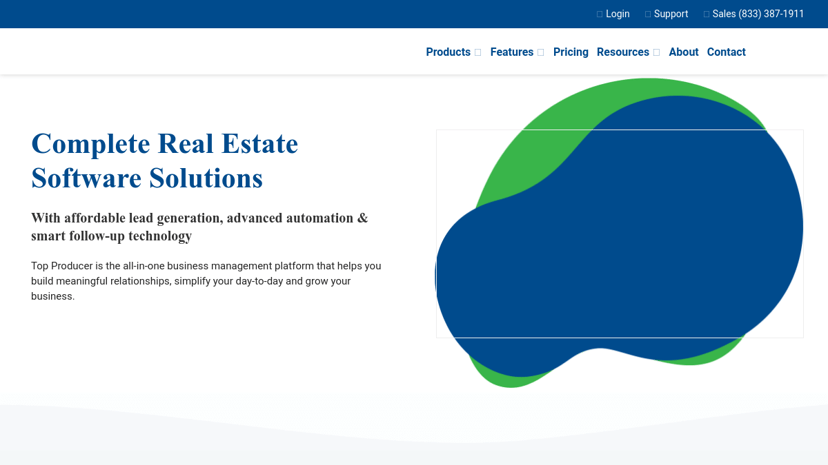
Freemium
Virtual Staging AI
AI virtual staging for realistic home listings in seconds.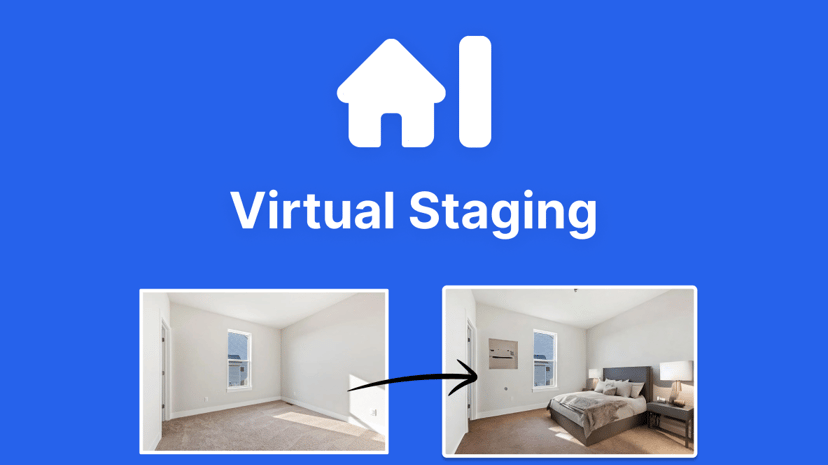
Freemium
Burrow AI
AI-driven platform for selling or leasing properties easily.
Freemium
Restate
AI-powered tool for creating engaging real estate listings easily.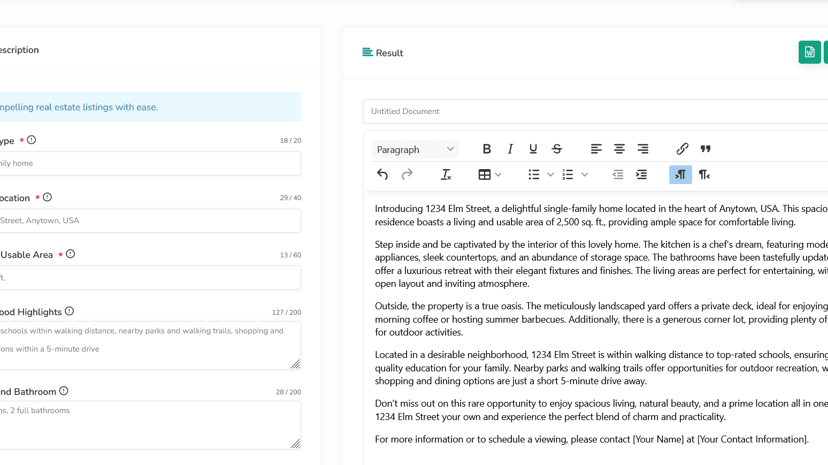
Freemium
OpalAi
Create 2D and 3D floor plans with AI-powered technology.
Freemium
Colossis
High-resolution virtual staging images for real estate listings.
Exploring the World of Real Estate
Real estate, a sector that involves the buying, selling, and renting of property, stands as one of the most significant markers of wealth and economic stability. Whether considering homes, commercial spaces, or land, real estate represents an essential component of life and business.
Why People Should Consider Real Estate
Real estate offers several advantages whether viewed as a personal investment, a means to define one's place in the world, or an opportunity to generate income. For homeowners, owning a piece of property can bring a sense of stability, pride, and personal space. It allows individuals to build equity over time, unlike renting, where monthly payments yield no long-term financial benefits.
For investors, real estate provides a potentially lucrative avenue with the opportunity for rental income, tax advantages, and market appreciation. Compared to volatile financial markets, real estate investments often carry lower risk and provide a tangible asset that can hedge against inflation.
Common Features of Real Estate Properties
When examining real estate options, several features commonly come into play. Understanding these elements can ensure that individuals make informed decisions based on their goals and needs.
-
Location: A prime determinant of a property's value and desirability. Proximity to amenities, schools, public transportation, and employment hubs often significantly influences both cost and quality of life.
-
Size and Layout: The physical dimensions and the design of a property define its utility. For homebuyers, considerations like the number of bedrooms, bathrooms, and overall square footage matter. Commercial investors might focus more on floor plans and space efficiency to meet tenant requirements.
-
Condition: Whether new, well-maintained, or in need of renovations, the state of the property will affect its price and appeal. Assessments about potential repair costs and long-term maintenance responsibilities are crucial.
-
Market Value: Market trends, comparable property prices, and economic factors play roles in determining a fair price. Knowledge of current market conditions helps in negotiating and securing advantageous deals.
Things to Consider When Choosing a Property
Selecting the right property involves careful evaluation. Several key factors should be kept in mind to ensure optimal satisfaction and return on investment.
-
Budget: Establishing a clear financial limit helps to narrow down options and prevent future financial strain. This also includes considerations for ongoing costs such as property taxes, insurance, and maintenance.
-
Purpose: Understanding the intent behind the purchase—be it personal use, rental income, or resale—can guide decisions about property type and location.
-
Potential for Appreciation: Properties in growing or developing areas often see an increase in value over time. Predictions about urban development, infrastructure improvements, and population growth can influence this potential.
-
Legal and Regulatory Compliance: Ensuring that the property complies with zoning laws, building codes, and any other regulations is paramount. This may involve due diligence to check land titles, permits, and any possible legal disputes.
-
Community and Neighborhood: Factors such as safety, community culture, local schools, and nearby amenities influence the decision. Visiting at different times of day can provide a more comprehensive sense of the environment.
Conclusion
Real estate remains an evergreen sector with opportunities for personal fulfillment and financial growth. Whether buying a home or investing in commercial property, understanding the fundamentals of location, property condition, market value, and strategic considerations are instrumental in making sound decisions. By evaluating individual needs and market conditions, people can navigate the real estate landscape to find properties that align with their goals and aspirations.