

Best Reputation Management products
Reputation management focuses on shaping public perception and maintaining a positive image for individuals or brands. We can assist you in discovering the best tools and strategies for effective reputation management.
Freemium
TrustLoop
Reputation management software for capturing positive customer feedback.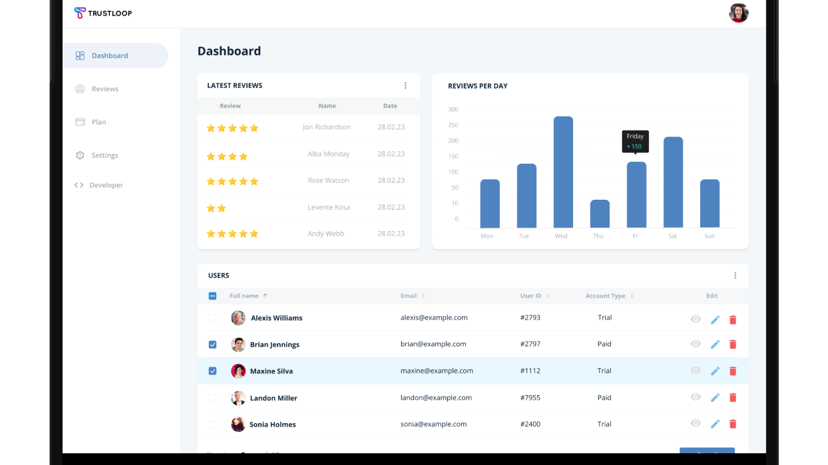
Freemium
Brandmate
AI-driven brand management and reputation monitoring solution.
Freemium
Reviewly
AI-powered platform for automating Google review collection and responses.
Freemium
Brand24
AI social listening tool for brand mentions and sentiment analysis.Product
Trustguide
AI-driven tool for unbiased review summaries and reputation reports.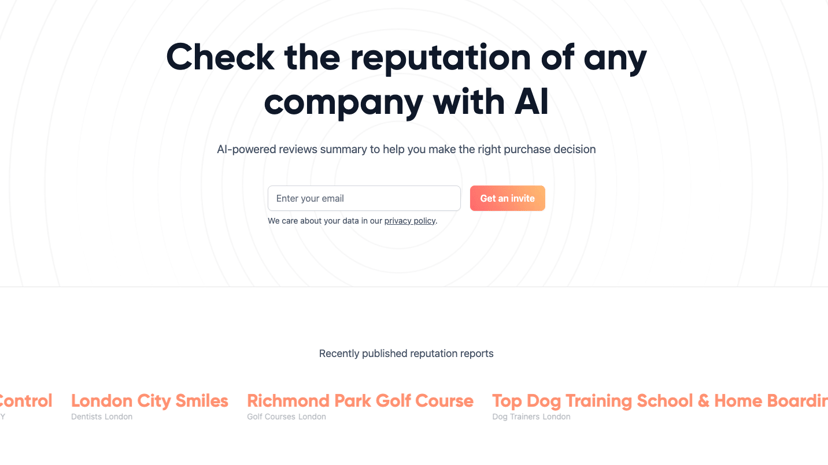
Freemium
ReviewGrower
Comprehensive white-label reputation management and review generation software.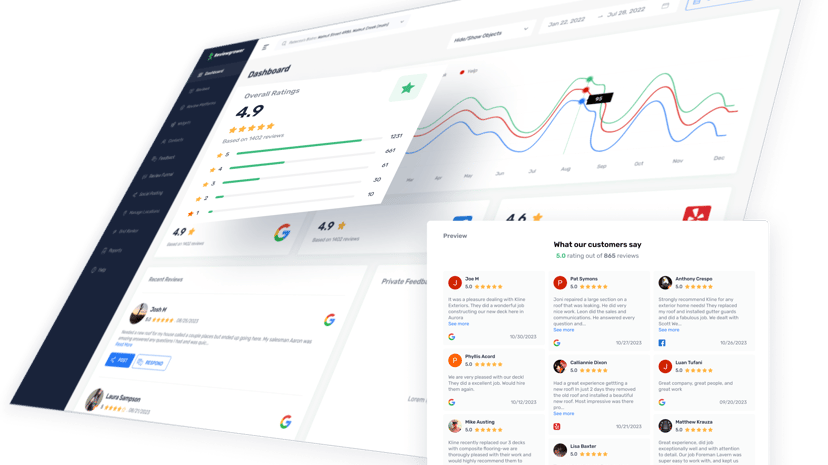
Freemium
MARA
Personalized AI tool for effortless review management and responses.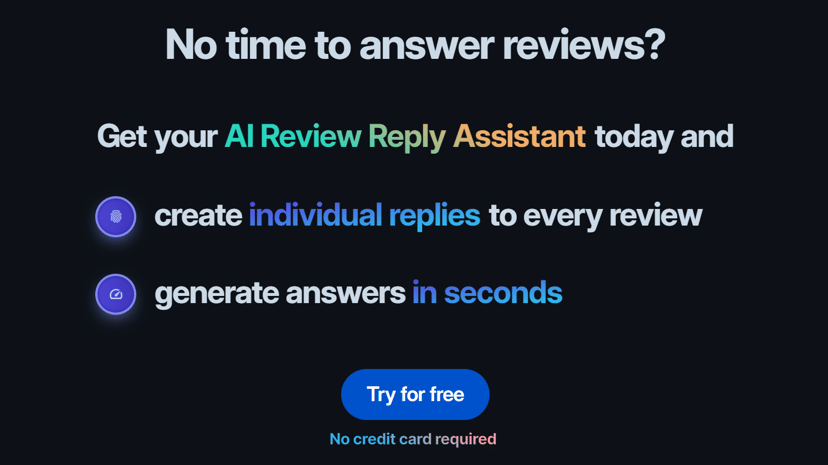
Freemium
RepBot
Automated tool for managing and improving online reputation.
Paid
Swarm Reviews
Automated tool for building and managing positive reviews.
Product
Rezon8AI
AI-driven feedback analysis to enhance customer engagement and reputation.
Understanding Reputation Management
Reputation management refers to the practice of monitoring, influencing, and managing an individual's or organization's online reputation. In today's digital landscape, where information spreads rapidly and opinions can shape perceptions, reputation management has become an essential aspect of personal branding and corporate strategy. For businesses, a positive reputation can lead to increased trust, customer loyalty, and ultimately, higher profits. For individuals, especially public figures or professionals, reputation management can safeguard careers and personal integrity.
Importance of Reputation Management
Managing one's reputation online is important for several reasons. First, a strong reputation can enhance credibility. Trust is a critical component when consumers are deciding on a product or service. If potential customers see favorable reviews and credible information, they are more likely to engage. Conversely, negative reviews or information can deter prospective customers and damage a brand's image.
Second, reputation management plays a crucial role in crisis management. Negative events or feedback can happen suddenly, and how a business or individual responds can make a significant difference in public perception. An effective reputation management strategy not only addresses negative feedback but also promotes a narrative that aligns with the desired brand image.
Lastly, proactive reputation management fosters ongoing engagement with customers. By actively displaying positive content and information, organizations can create connections with their audience, showcase their values, and communicate their commitment to quality.
Common Features of Reputation Management Tools
When considering reputation management tools, there are several common features to look for:
-
Monitoring and Alerts: The ability to monitor online mentions of your name or brand across multiple platforms, including social media, review sites, and news articles is essential. Alerts can help individuals stay informed about new content that may impact their reputation.
-
Review Management: Tools that allow businesses to manage reviews across various platforms can help streamline responses and analyze customer feedback effectively.
-
Online Presence Analysis: Some tools provide insights into how a brand's online presence compares to competitors and can highlight specific areas for improvement.
-
Content Promotion: Features that encourage positive content creation and sharing can help elevate your brand image and push down negative search results.
-
Reporting and Analytics: Detailed reporting features that track reputation metrics over time can be invaluable in assessing the effectiveness of reputation management strategies.
What to Consider When Choosing a Reputation Management Tool
Several factors should be taken into account when selecting a reputation management tool:
-
Usability: A user-friendly interface can simplify the management process, especially for those who may not be technologically savvy.
-
Scalability: As businesses grow, their reputation management needs may change. It’s helpful to choose tools that can scale with these changing needs.
-
Customer Support: Available support and resources can make a difference, especially if issues arise during implementation.
-
Customization Options: The ability to tailor features to specific needs or industries can enhance the effectiveness of the selected tool.
How We Can Assist
Choosing the right reputation management product can be challenging, which is why we offer a directory of the best products in this field. Our resource includes detailed information about key features, pricing, and comparisons with competitors and alternatives. This comprehensive overview can support users in making informed decisions based on their unique requirements and budget.
By understanding the importance of reputation management and how to effectively leverage it, individuals and businesses can cultivate a positive online presence that aligns with their goals and values.