

Best Restaurant Management products
Restaurant management involves overseeing operations, staff, and customer experiences to ensure efficiency and profitability. We can assist in identifying the best products and tools to enhance your restaurant's success.
Custom Pricing
Voxx AI
AI-powered voice ordering system for quick service restaurants.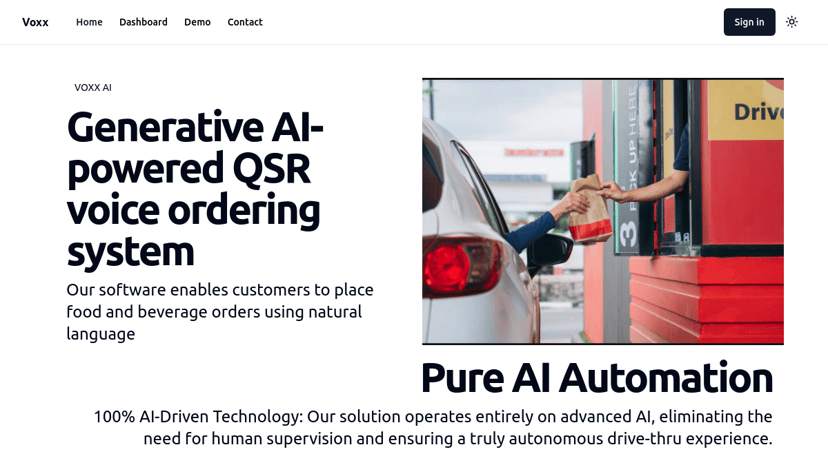
Freemium
wib.AI
Instant restaurant websites created in 10 seconds.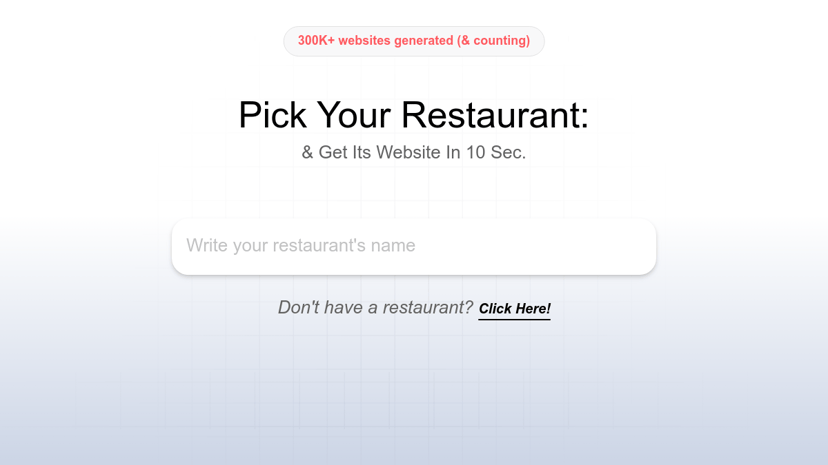
Freemium
5-Out
AI-driven restaurant forecasting software for purchasing and scheduling.
Product
TasteKid
Comprehensive restaurant menus, catering services, and operating hours.
Paid
BuyVia
Food coupons, price scanners, and online deals for shopping.
Custom Pricing
RevVue
Analyze and improve restaurant performance using customer review insights.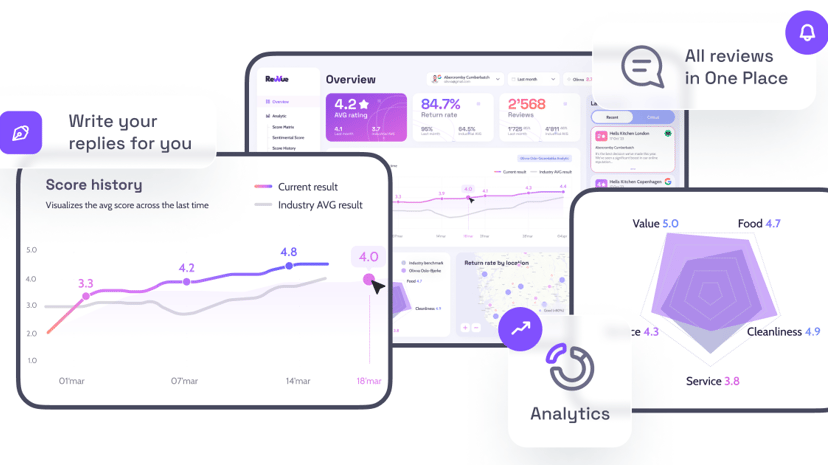
Product
Zomato
Discover top restaurants, cafés, and bars across India.
Freemium
Leader Menu
Create customizable digital menus with engaging designs and descriptions.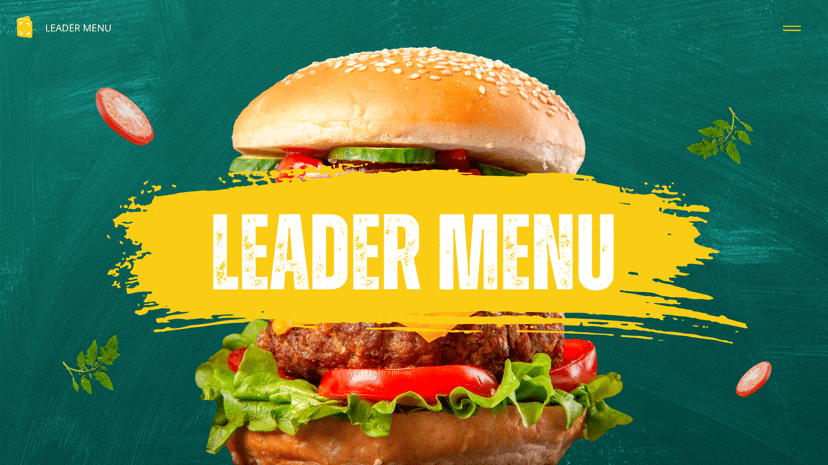
Product
Presto
AI-driven automation for drive-thru restaurant efficiency.
Freemium
Loop
Automated delivery intelligence platform for food brand management.
Understanding Restaurant Management Software
Restaurant management software is becoming an essential tool for establishments looking to streamline operations and enhance customer experience. These systems integrate various functions including inventory management, staff scheduling, order processing, and financial tracking, all in one platform. This can help restaurant owners and managers save time and reduce the complexities associated with running a business.
The Importance of Restaurant Management Software
In today's competitive hospitality industry, efficiency and customer satisfaction are paramount. Adopting restaurant management software can significantly enhance the operational workflows of a restaurant. By automating routine tasks, restaurants can minimize human error, allowing staff to focus on providing excellent service and delivering quality food. This not only improves productivity but also enriches the dining experience for customers, which can lead to repeat business and positive reviews.
The benefits of this software extend beyond daily operations. By analyzing data such as sales trends and inventory levels, restaurant owners can make informed decisions about menu changes, staffing needs, and promotional strategies. This insight can ultimately lead to increased profitability and more effective management of resources.
Common Features to Look For
When exploring restaurant management software, several features are commonly offered that can enhance overall management:
-
Point of Sale (POS) Systems: A modern POS system allows for quick order processing, payment handling, and sales tracking.
-
Inventory Management: Software that tracks inventory levels helps prevent overstocking or running out of essential items, thereby improving cost control.
-
Staff Scheduling: An effective scheduling system can simplify shift planning, ensuring adequate staffing while considering employee availability and labor laws.
-
Table Management: This feature assists in optimizing seating arrangements and managing reservations effectively.
-
Reporting and Analytics: Detailed reports on sales, labor costs, and customer demographics can provide valuable insights for strategic planning.
-
Customer Relationship Management (CRM): A good CRM component helps to track customer preferences and feedback, fostering a personalized dining experience.
-
Online Ordering and Delivery Integration: With the rise of online ordering, being able to manage these processes directly through the software can significantly boost efficiency.
-
Mobile Access: Cloud-based solutions often offer mobile access, allowing managers to oversee operations from anywhere.
Considerations When Choosing Software
Selecting the right restaurant management software can be a daunting task due to the variety available in the market. Here are a few considerations to keep in mind:
-
Scalability: Choose software that can grow with your business. If there’s a possibility of expansion, consider systems that can manage multiple locations or increase functionality as needed.
-
User Experience: Ensure that the interface is user-friendly. A complicated system can lead to training issues and hinder productivity initially.
-
Customer Support: Reliable customer service is crucial, especially during setup and when issues arise. Look for vendors that provide robust support channels.
-
Pricing: Assess the total cost of ownership, which includes licensing fees, hardware requirements, and ongoing support charges. It's essential to find a product that meets your budget.
Finding the Best Products
Navigating through various restaurant management software options can be challenging. To assist, we provide a comprehensive directory showcasing the best products available. This resource includes an overview of features, pricing structures, comparisons with competitors, and alternative options. By having all this information at your fingertips, it becomes easier to find a solution that aligns with your restaurant's specific needs and business objectives.
In summary, investing in restaurant management software can greatly improve operational efficiency and enhance the dining experience. With careful consideration of features, pricing, and support, restaurant owners can select a product that contributes to their long-term success.