

Best Risk Management products
Risk management involves identifying, assessing, and prioritizing risks to minimize their impact on organizations. We can help you find the best tools and strategies tailored to your specific needs.
Custom Pricing
PAXAFE
End-to-end supply chain visibility for optimized shipment management.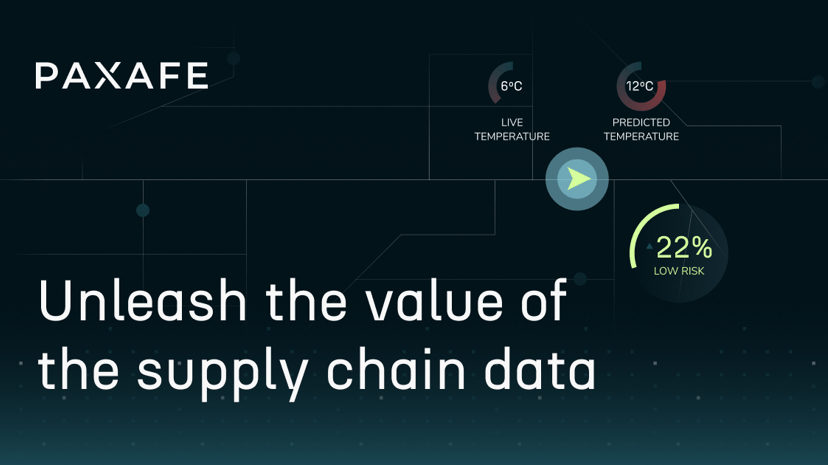
Custom Pricing
Deepkeep
AI-native security and trust for machine learning models.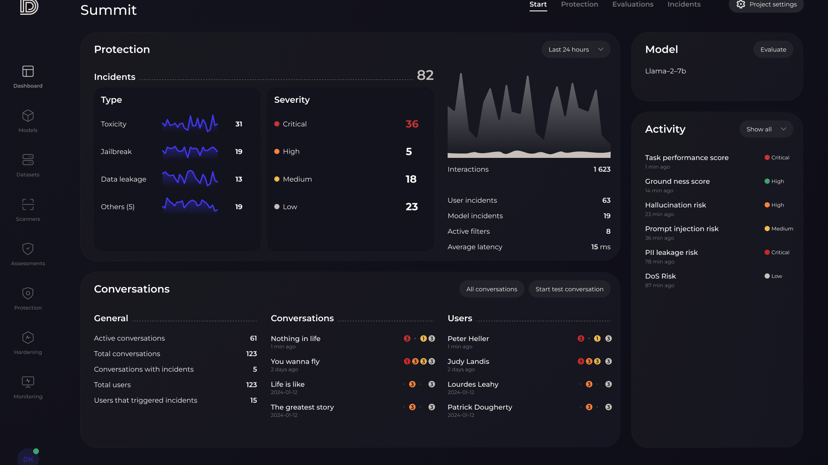
Product
Venturefy
AI-driven relationship mapping for sales and brand protection.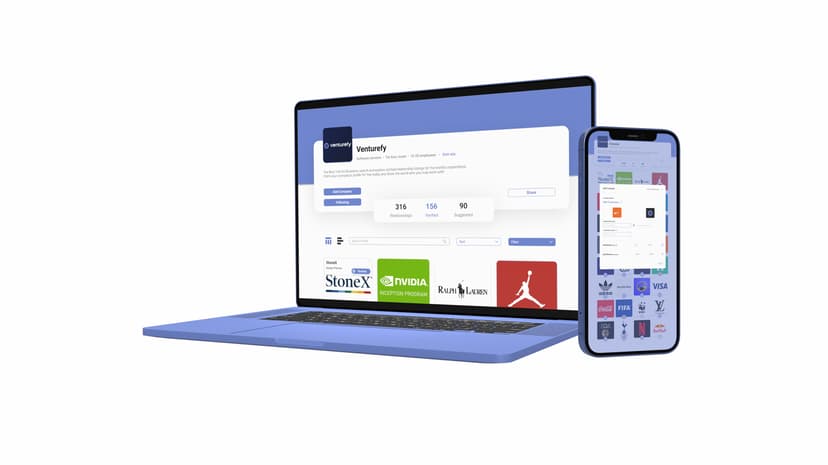
Freemium
Gorilla Terminal
AI-driven investment research with real-time data and insights.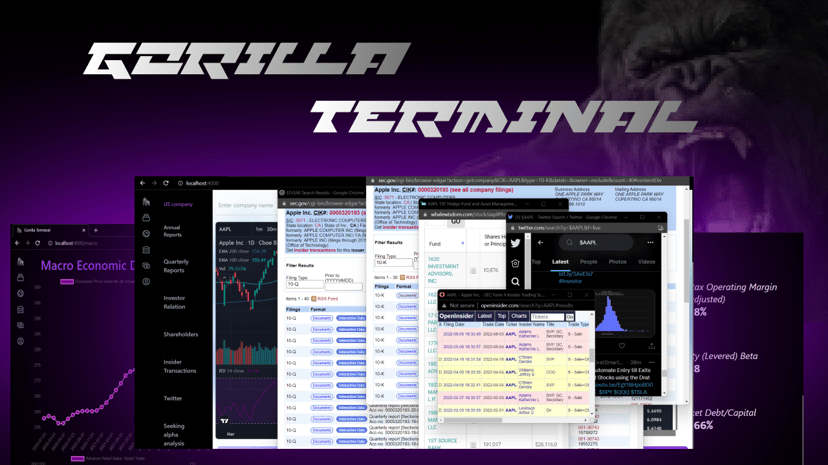
Custom Pricing
Monitaur
Comprehensive AI governance platform for risk management and compliance.
Freemium
Document Crunch
AI-based solutions for construction contract review and risk management.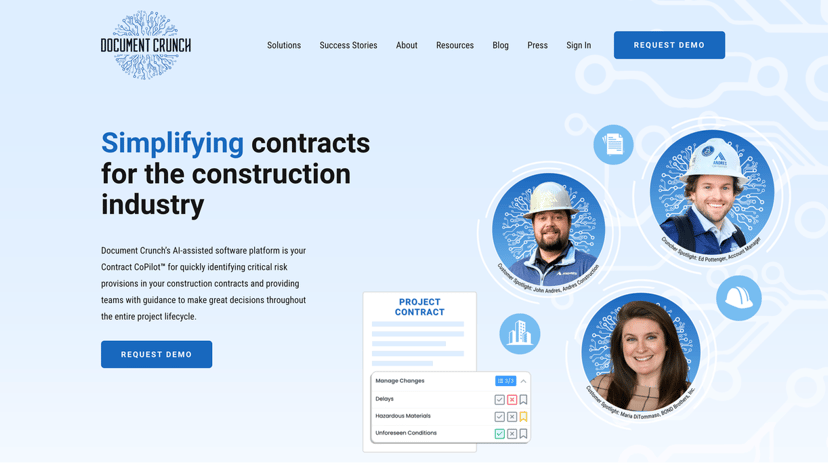
Custom Pricing
Copyright Check AI
Copyright infringement protection for influencer partnerships and social media.
Custom Pricing
SydeLabs
Comprehensive AI security and risk management solution for applications.
Freemium
Cyclops
AI-driven platform for prioritizing cybersecurity risks and vulnerabilities.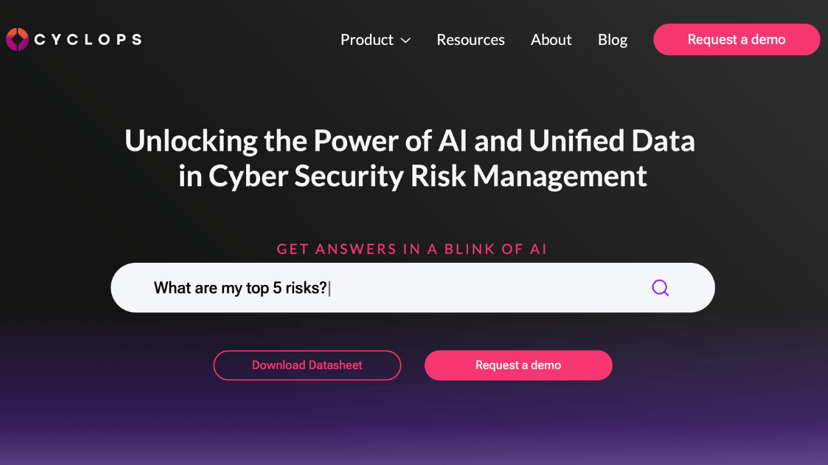
Freemium
Armilla AI
Innovative warranty and insurance solutions for AI deployments.
Freemium
Augurisk
Explore natural disaster and crime risk for US locations.
Custom Pricing
WorkFusion
AI agents for financial crime risk mitigation and compliance.
Product
Voxel
Safety intelligence platform enhancing EHS performance and workforce engagement.
Freemium
InvestAlert
AI-powered investing assistant offering personalized portfolio analysis and alerts.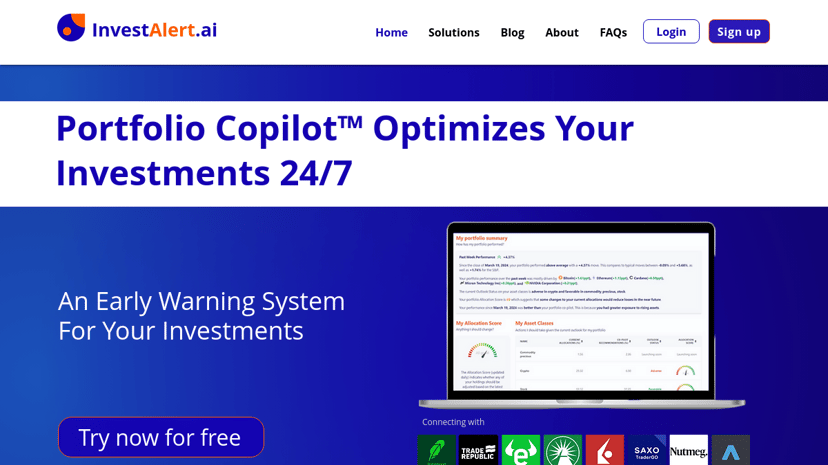
Custom Pricing
Ascent
Automated regulatory compliance management for financial services.
Product
Holistic AI
AI Governance platform for safe and responsible AI adoption.
Product
FinNews.AI
AI-driven finance news analysis and real-time alerts.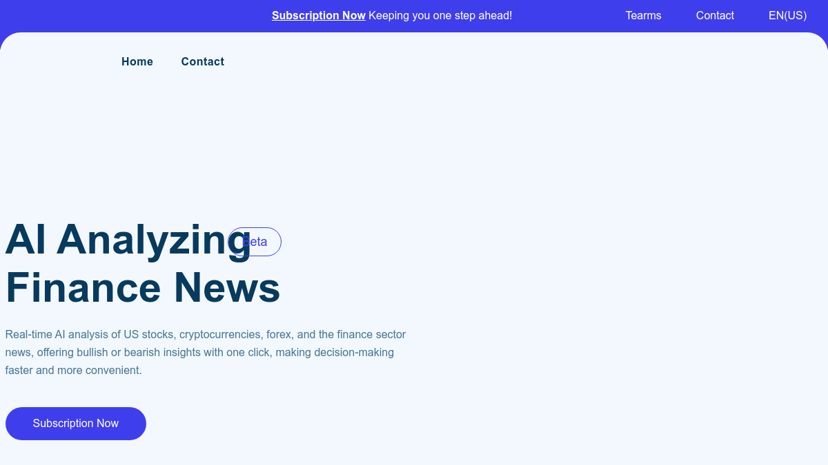
Custom Pricing
Riskified
AI-powered platform for fraud prevention and chargeback protection.
Freemium
Binarly
Firmware security platform for supply chain risk management.
Understanding Risk Management
Risk management is a systematic approach to identifying, assessing, and mitigating risks that could potentially affect an organization’s goals or objectives. This process involves recognizing the uncertainties that may arise in business activities and developing strategies to minimize their impact. Effective risk management is essential, as it ensures organizations remain resilient in the face of challenges and can seize opportunities with greater confidence.
The Importance of Risk Management
Risk management is vital for organizations of all sizes and across all industries. By actively managing risks, businesses can protect their assets, enhance decision-making, and reduce financial losses. It also fosters a culture of accountability and awareness among employees, encouraging them to think critically about potential risks and their implications. Furthermore, a well-structured risk management process can improve regulatory compliance and ensure that organizations meet their legal obligations, ultimately safeguarding their reputation.
Organizations that prioritize risk management often experience greater stability. By understanding the nature of risks, they can allocate resources more effectively, creating a pathway for growth and innovation while minimizing exposure to unforeseen disruptions. In today's interconnected world, where change is constant and complexities abound, risk management has become an essential component of strategic planning and operational success.
Common Features of Risk Management Tools
When considering risk management tools, several key features can enhance the effectiveness of your risk management strategy:
-
Risk Assessment: Tools should have capabilities to identify and evaluate risks methodically. This includes risk scoring and categorization methods that help organizations prioritize issues based on their potential impact.
-
Reporting and Analytics: Robust reporting features allow organizations to visualize risk data through dashboards, aiding in decision-making. Analyzing trends and patterns can inform strategies for future risk mitigation.
-
Compliance Management: Many tools offer compliance features to help organizations adhere to industry standards and regulations. This helps in minimizing legal risks and ensures operational integrity.
-
Collaboration Features: Effective risk management involves communication among stakeholders. Tools that facilitate collaboration ensure all parties are informed and can contribute to risk discussions.
-
Customizable Workflows: Organizations often have unique processes; therefore, risk management software that allows customization to fit specific workflows can be beneficial.
Choosing the Right Risk Management Product
Selecting the right risk management solution requires careful consideration. Here are a few factors to keep in mind:
-
Scalability: The tool should be able to grow with your organization. Choose a solution that can accommodate increasing complexity and volume as your business expands.
-
User-Friendliness: A platform that’s easy to navigate will encourage broader adoption within the organization. Complex systems may deter employees from engaging with the tool.
-
Integration Capabilities: Ensure that the risk management tool can integrate seamlessly with other systems already in use, such as project management or compliance tools. This can streamline processes and improve efficiency.
-
Customer Support: Reliable customer service is invaluable for troubleshooting issues and ensuring that the tool is utilized effectively. Research the support options available before making a decision.
Finding the Best Risk Management Products
Choosing the proper risk management tool can be overwhelming due to the multitude of options available in the market. Here, we can assist by providing a comprehensive directory of the best products tailored for your needs. Our platform offers detailed insights into product features, pricing, competitors, and alternatives, helping you make an informed decision.
With access to extensive resources and comparisons, organizations can streamline their selection process and invest in a solution that aligns with their specific risk management goals. Understanding risk management and selecting the right tools can significantly improve an organization’s ability to navigate uncertainties while achieving its business objectives.