

Best Sales products
Discover a wide range of sales strategies and product offerings tailored to meet your needs. We can help you identify the best options to enhance your purchasing decisions.
Freemium
Orimon AI
Generative AI chatbots for enhanced sales and customer engagement.
Freemium
Zime
AI-driven sales playbook with actionable, measurable strategies for reps.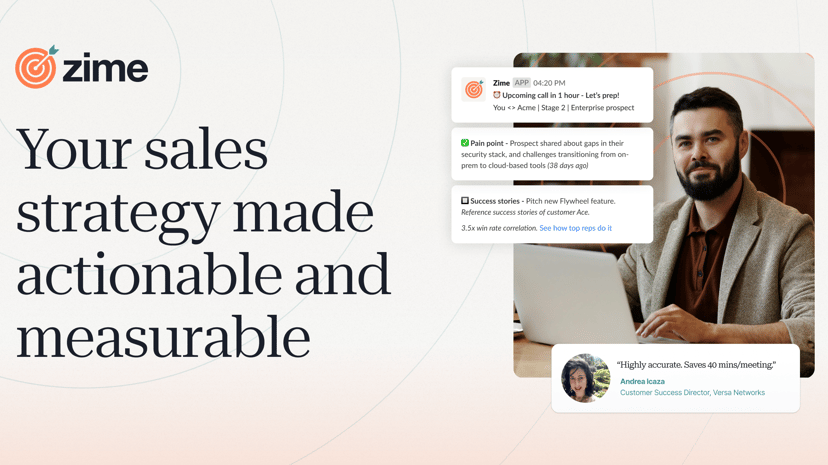
Freemium
LavaReach
AI-powered prospect research with extensive enrichment and CRM integrations.
Freemium
Luna.ai
AI-powered B2B prospecting tool for personalized lead generation.
Freemium
Outx.ai
LinkedIn scraper for lead extraction and post tracking.
Custom Pricing
DealCoach
AI-driven sales coaching for faster deal closures and forecasting.
Freemium
Zeliq
All-in-one platform for lead generation and engagement.
Freemium
Trellus
AI-driven autodialer and coaching for enhanced sales calls.
Freemium
Laxis
AI-powered tool for sales automation and meeting transcription.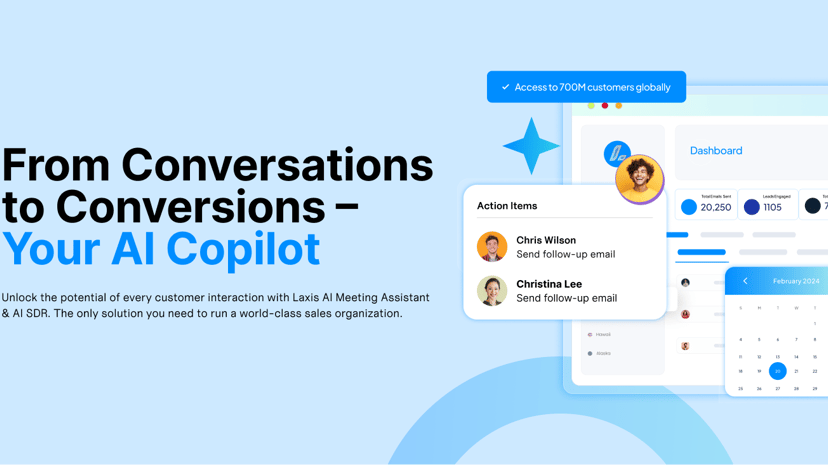
Freemium
Splutter AI
AI chatbots for websites, SMS, and games, enhancing interactions.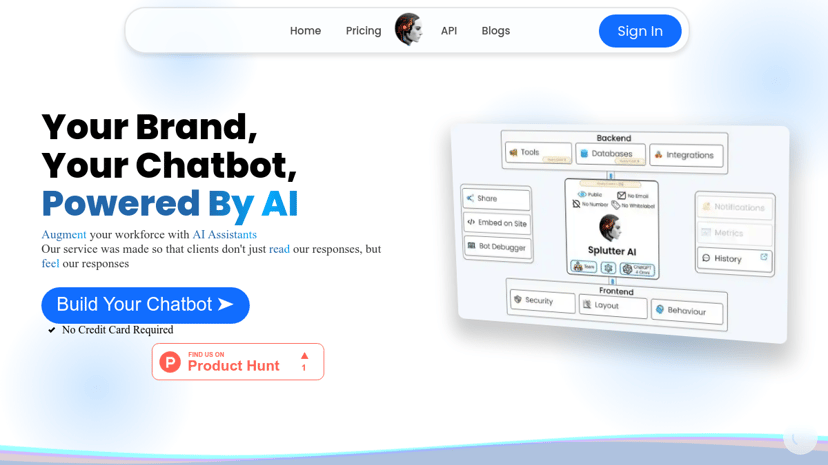
Freemium
Conversion Blitz
AI lead generation and sales automation software with data enrichment.
Freemium
Hify
Video messaging tool for personalized lead generation and sales.
Freemium
dealcode AI
AI-driven sales co-pilot enhancing team efficiency and lead scoring.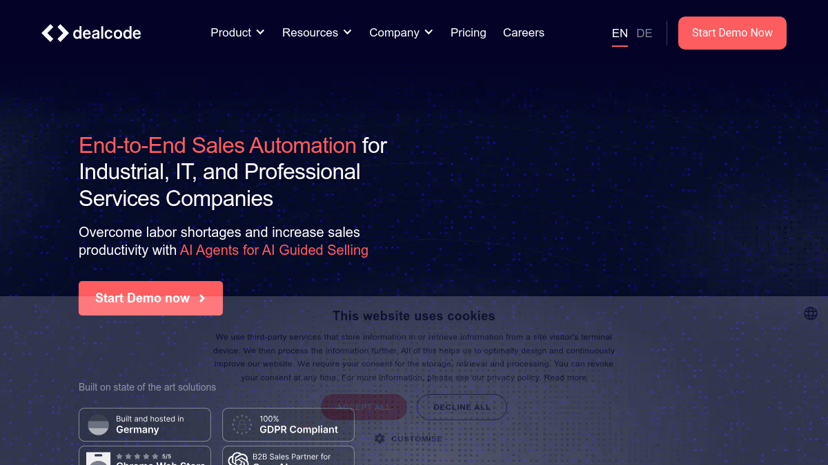
Freemium
Tactic
Generative insights platform for fast, AI-driven customer intelligence.
Freemium
Crystal
Personality data platform enhancing sales communication and outreach.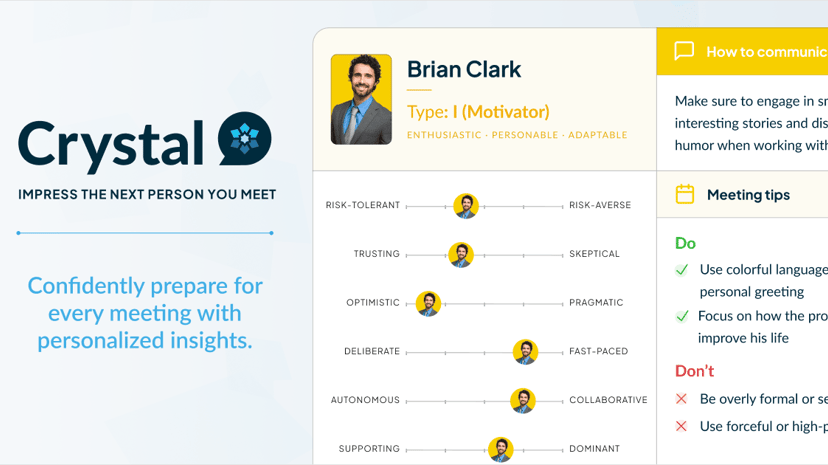
Freemium
Dymolab
Interactive demo software for engaging product presentations and sales.
Freemium
Meetz
AI-powered lead generation with automated outreach and scheduling.
Freemium
Reply
AI-powered platform for automating sales outreach and lead generation.
Freemium
Scout
All-in-one platform for hyper-personalized email prospecting.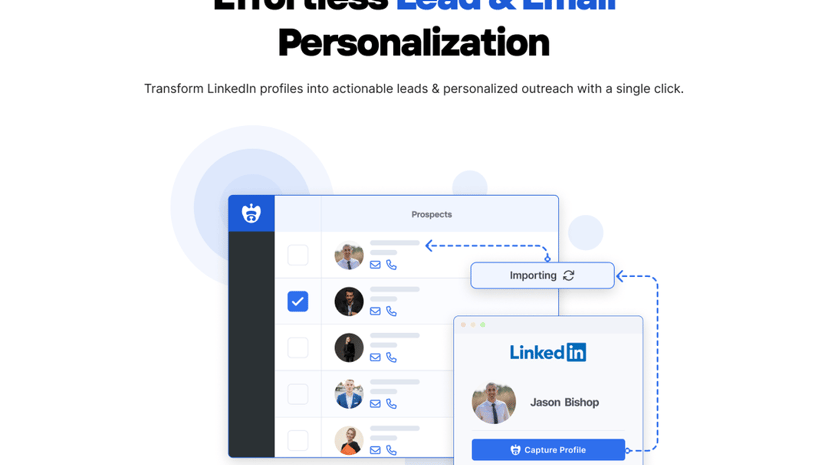
Product
People.ai
Generative AI solution for optimizing sales cycles and insights.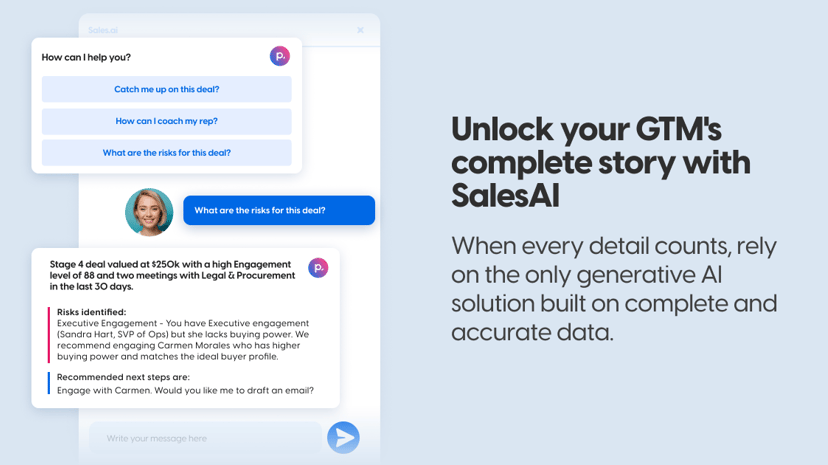
Freemium
Scope Money
AI-powered sales engagement platform with unified dashboard and automation.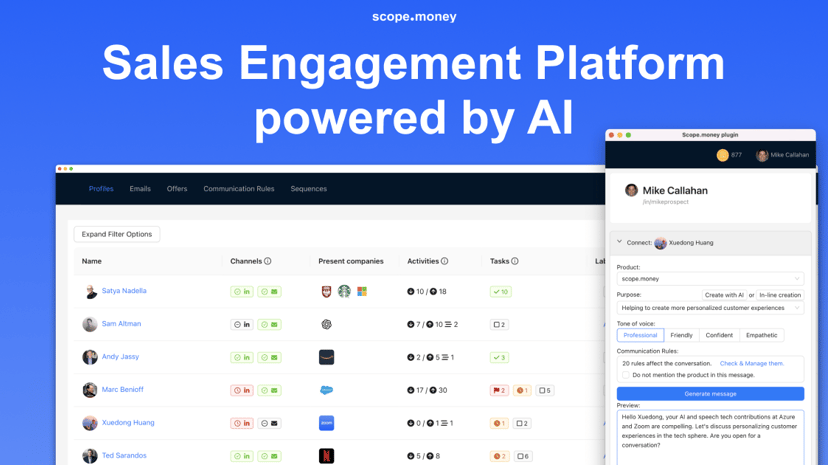
Freemium
SalesBop
AI-powered coaching to enhance sales team performance and close rates.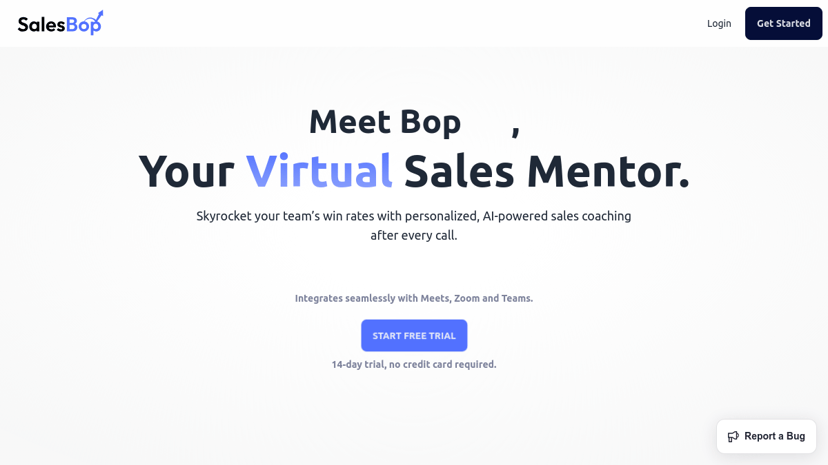
Product
Behavely AI
AI tool for LinkedIn insights and lead conversion.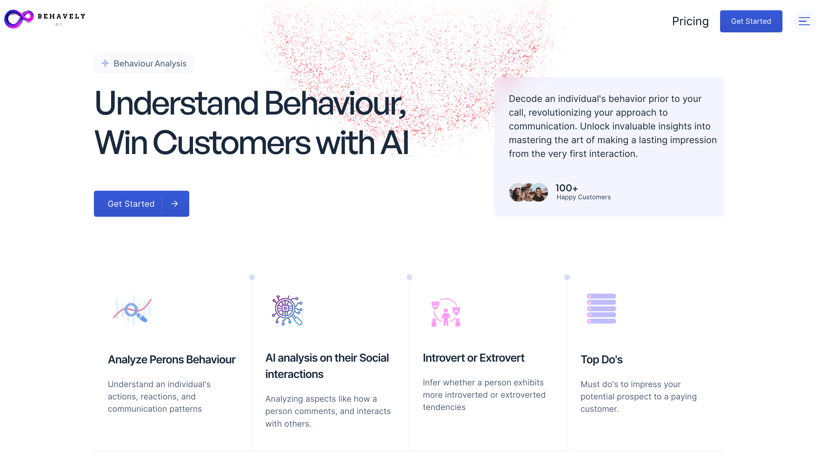
Paid
Fluidworks
Human-like AI agent for personalized live video demos.
Custom Pricing
Evgrowth
AI-driven account-based selling platform for targeted customer engagement.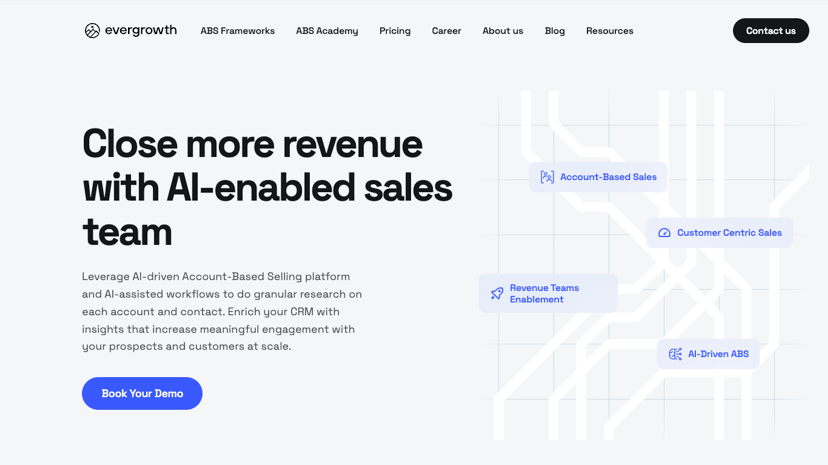
Freemium
Sellestial
Automated sales pipeline management with AI-driven insights and integration.
Freemium
Lavender
AI tool for writing effective, personalized sales emails.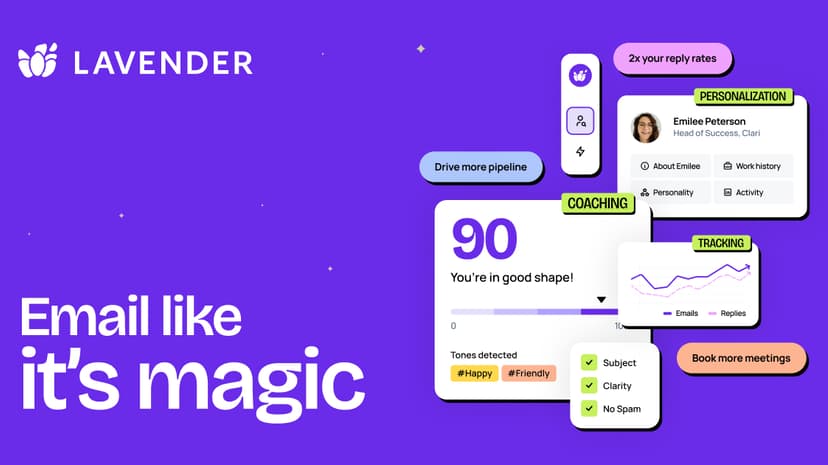
Custom Pricing
Genesy AI
AI-powered B2B sales software for data aggregation and outreach.
Paid
dotbrand
AI tool for automating design client interactions and proposals.
Freemium
OneShot
AI-driven personalized outreach for emails, calls, and LinkedIn.
Understanding Sales: Boosting Business Success
Sales, the exchange of a product or service for money, is the lifeblood of any business. It involves identifying potential customers, approaching them, and persuading them to purchase. Understanding sales dynamics is crucial for anyone looking to boost their business or enhance their career in the commercial sector.
Importance of Sales in Business
Sales are a direct driver of revenue, making it foundational to the financial health of any organization. Effective sales strategies can improve customer retention, enhance brand loyalty, and open up new market opportunities. Sales teams not only facilitate transactions but also gather valuable customer insights that help in refining products and services. This makes the role of sales pivotal in both short-term and long-term business success.
Key Benefits of Effective Sales Strategies
-
Revenue Growth: Proper sales strategies help in targeting the right customers, resulting in increased sales and revenue.
-
Customer Relationships: Good sales practices foster strong relationships with customers, leading to repeat business and customer loyalty.
-
Market Expansion: Effective sales techniques can help in penetrating new markets or expanding existing ones.
-
Competitive Advantage: Skilled salespeople can differentiate a company’s offerings from competitors, making it easier to establish a strong market presence.
Common Features of Sales Approaches
-
Customer-Centric Tactics: Successful sales strategies are always customer-focused, addressing their needs and solving their problems.
-
Data-Driven Insights: Analytics and CRM tools assist sales teams in understanding customer behavior, which enhances decision-making.
-
Adaptive Techniques: Flexibility in sales approaches allows businesses to adjust strategies based on market conditions and customer feedback.
-
Technology Integration: Modern sales heavily rely on technology for processes like lead management, follow-ups, and client communication.
-
Training and Development: Continuous training ensures that sales teams are up-to-date with the latest trends and techniques.
What to Look Out for When Choosing a Sales Strategy
-
Target Audience: Understanding your target market is key. A strategy that works for one demographic may not be effective for another.
-
Sales Cycle Length: The strategy should align with the complexity and duration of your sales cycle. Longer cycles might require more in-depth customer nurturing.
-
Technology Needs: Evaluate what technology tools will best complement your sales efforts. CRM software, analytics platforms, and communication tools should be considered.
-
Customer Feedback: Pay attention to customer feedback to refine and adjust sales tactics.
-
Competitor Analysis: Understanding competitors’ strategies can provide insights into market trends and help in crafting a unique selling proposition.
Conclusion
Sales are fundamental to achieving business goals, from increasing revenue to building lasting customer relationships. Choosing the right sales strategies involves understanding your target market, leveraging technology, and being willing to adapt based on market feedback. By doing so, businesses can not only achieve their immediate sales targets but also set the foundation for long-term success.