

Best Search Engine products
A search engine is a tool that helps users find information online by indexing web pages. We can assist you in locating the best products through tailored search results.
Freemium
Meilisearch
Fast, open-source search engine with advanced features for relevance.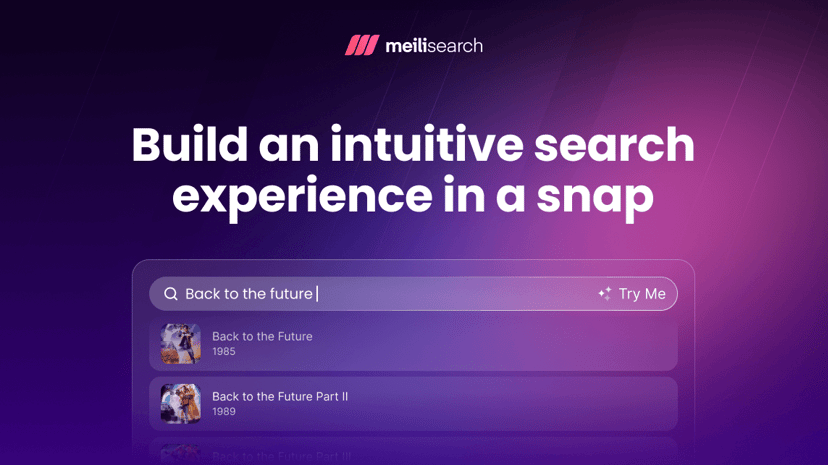
Paid
Omnicomb
AI-powered file search for images, videos, and documents.
Freemium
FindWise
AI assistant for contextual web and document questions.
Freemium
Perplexity
AI-powered answer engine providing accurate, real-time information.
Product
Traversaal AI
AI-powered conversational search and recommendation solutions for enterprises.
Freemium
CleeAI
Real-time AI search engine delivering fast, accurate results.
Freemium
Chatgot
All-in-one AI solution for efficient workflow and presentations.
Freemium
Hyperspace
Elastic cloud-based search database with unmatched performance and scalability.
Freemium
IDCrawl
Free people search engine for social profiles and public records.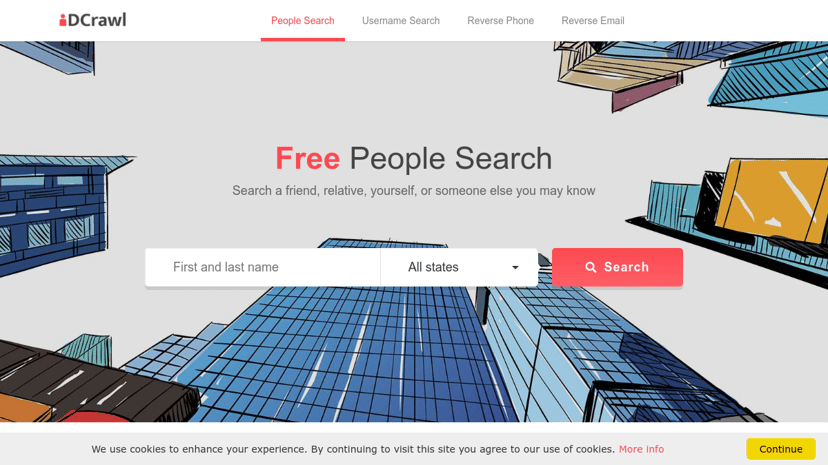
Freemium
Consensus
AI-powered academic search engine for efficient literature reviews.
Free
HotBot
AI-powered search engine for answering questions simply and efficiently.
Freemium
FaceCheck
Face recognition search engine for verifying identities online.
Freemium
NoemiAI
Minimalistic AI-powered search engine for finding information online.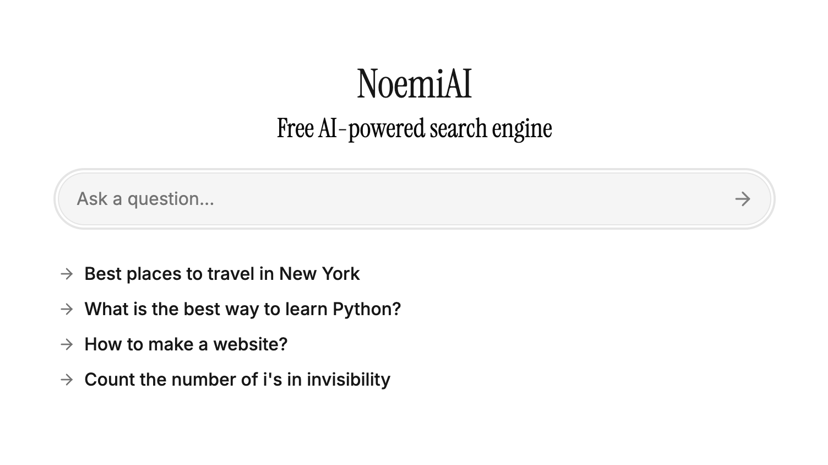
Product
Homeworkify
Homeworkify services are permanently unavailable; avoid fake alternatives.
Freemium
Vantage Discovery
Generative AI platform for intelligent search and personalized recommendations.
Freemium
Searchbase
AI-enhanced search capabilities for intuitive data discovery and relevance.Freemium
AskYoutube
AI tool for quick, concise YouTube video answers.
Freemium
Typesense
Fast, typo-tolerant open-source search engine for instant search.
Freemium
Liner
AI search engine for students and researchers with smart features.
Freemium
mindECHO
AI-powered search for bookmarks and saved content made easy.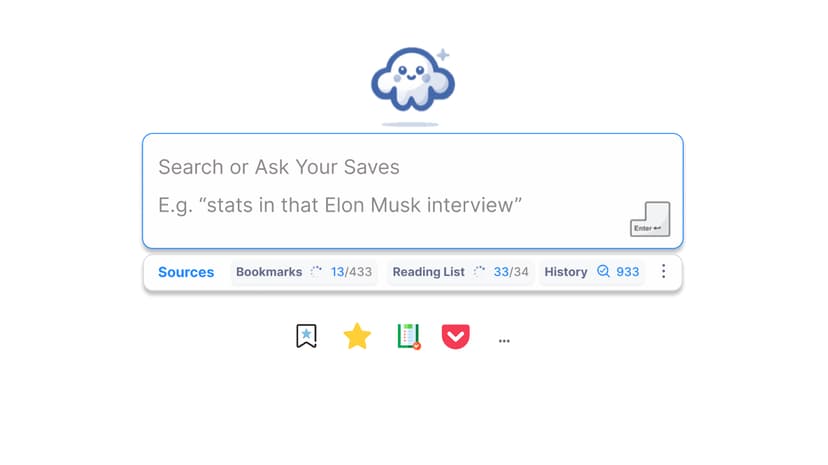
Product
Clip
AI audio search engine for discovering and generating sounds.
Product
Peruser AI
Advanced search engine using Generative AI with web enhancements.
Freemium
PeekYou
Free people search engine for online identities and connections.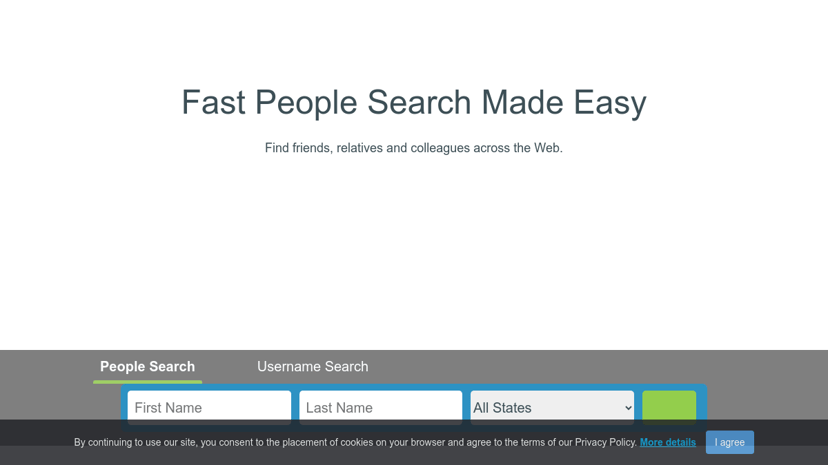
Freemium
ChatGPT for Search Engines
Extension showing ChatGPT responses alongside search results.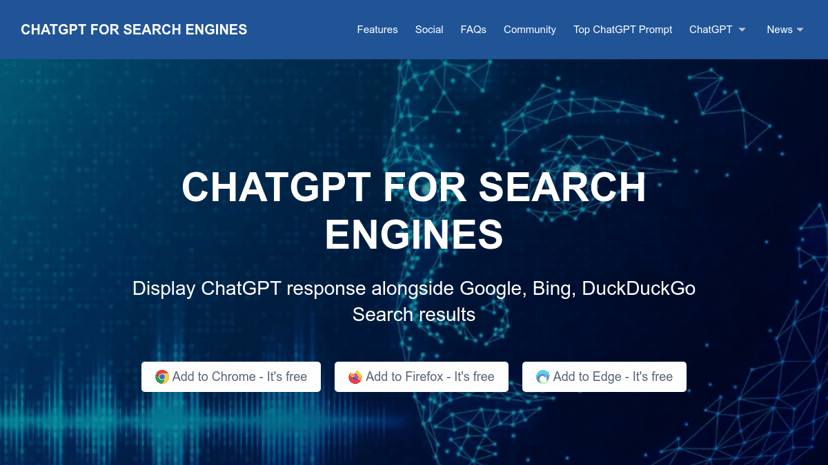
Freemium
Copernic
Lightning-fast search tool for files, emails, and documents.
Freemium
Everything
Instant file searching with minimal resource usage and real-time updates.
Freemium
GPTGO
GPTGO combines Google search and ChatGPT for quick information.
Freemium
ChatGPT for Google
Browser extension displaying AI responses alongside search engine results.
Product
Audioatlas
AI-powered music search across 200 million songs.
Freemium
ASKTOWEB
AI search tool for easy website information access.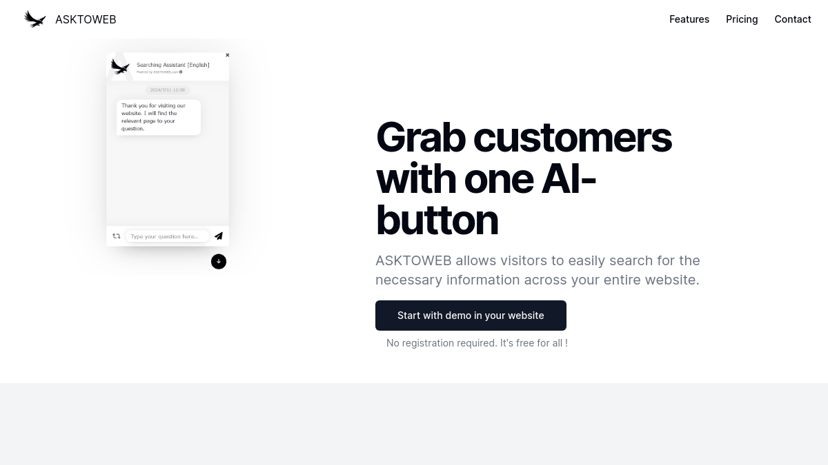
Search Engines: Enhancing Information Accessibility
What Is A Search Engine?
A search engine is an online tool that helps users find information on the internet by indexing web pages and retrieving pertinent results based on a user's query. It uses complex algorithms to understand the content of web pages and rank them according to relevance. Commonly known examples include Google, Bing, Yahoo, and DuckDuckGo.
Why Use a Search Engine?
Search engines have become an integral part of our daily lives because they simplify the task of finding information online. Whether it's researching a topic for school, locating a nearby restaurant, or comparing product prices, search engines provide quick and comprehensive results. Here are some noteworthy benefits:
- Efficiency: Instead of manually sifting through multiple websites, a search engine delivers relevant data in a few seconds, thus saving time.
- Accessibility: Information from across the globe is just a few clicks away. This democratizes knowledge and provides access to a wealth of resources.
- Personalization: Modern search engines use algorithms to tailor search results based on user behavior and preferences, making the search experience more relevant.
Common Features of Search Engines
While individual search engines may differ in specific functionalities, several core features are generally offered:
- Keyword Search: Users can input keywords related to their query, and the search engine will return results matching those terms.
- Natural Language Processing (NLP): This feature allows users to ask questions in natural language and still get accurate results. For instance, a query like "What's the weather like today?" will deliver localized weather forecasts.
- Advanced Search Options: This includes filters for date ranges, content types (like images, videos, news articles), and other parameters to narrow down search results.
- Auto-Complete and Suggestions: While typing, search engines offer real-time suggestions based on popular searches, helping users find information more efficiently.
- Voice Search: Increasingly popular, this feature allows users to speak their queries, which is especially useful for mobile searches.
What to Look For When Choosing a Search Engine
Selecting the right search engine can depend on several factors, including the specific needs and preferences of the user. Here are some considerations:
- Privacy Concerns: Different search engines handle user data in various ways. For those concerned about privacy, search engines like DuckDuckGo do not track users or store their search data.
- Relevance and Accuracy: The quality of search results can vary. Google is often praised for its highly relevant results, while specialized search engines may perform better for niche queries.
- User Interface: A clean, intuitive interface can make for a more pleasant search experience. Features like dark mode, easy navigation, and customization options can be valuable.
- Localization: If local results are important, some search engines provide superior localized content, which is critical for finding information pertinent to a specific area.
In conclusion, search engines are indispensable tools for navigating the vast expanse of the internet, making information more accessible and easier to find. While efficiency, accessibility, and personalization are some of the primary advantages, selecting a search engine aligned with user privacy, relevance, and interface preferences can further enhance the user experience. Whether for academic, professional, or personal use, the right search engine can significantly improve one’s ability to find and utilize valuable information.