

Best Startup Tools products
Discover essential startup tools that streamline processes, enhance productivity, and drive innovation. We can assist you in identifying the best products tailored to your specific business needs.
Paid
My Pitch Deck
AI-generated custom pitch deck templates for startups.
Freemium
VenturusAI
Instant analysis and feedback for business ideas.
Freemium
Validea
Streamlined startup idea validation and market insight tools.
Freemium
Frederick AI
AI-powered platform for launching and prototyping startup ideas.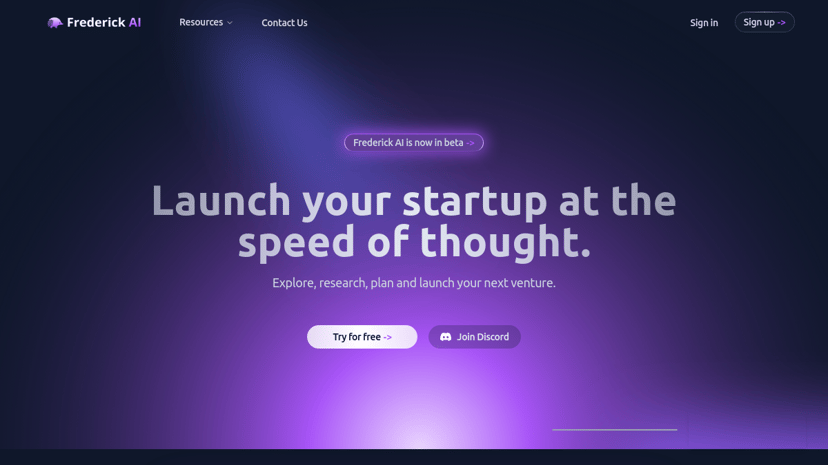
Freemium
PitchLeague
AI platform for evaluating and scoring startup pitch decks.
Freemium
FounderPal
AI marketing tools for busy founders to streamline strategies.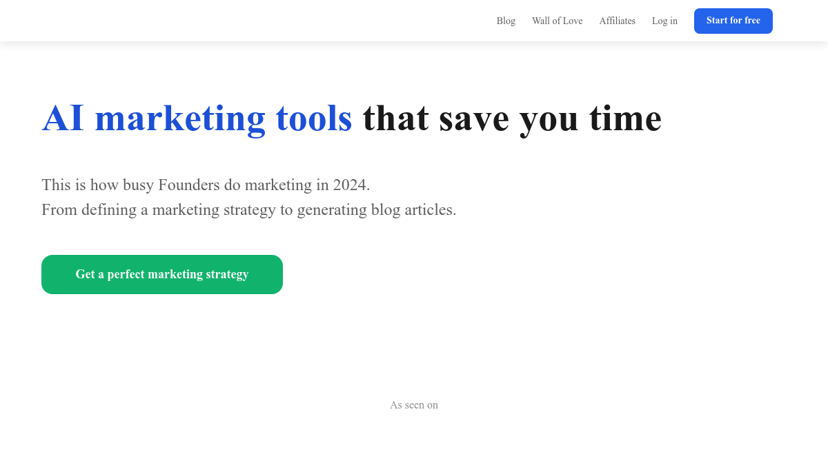
Freemium
PrometAI
AI-powered tool for generating detailed business plans quickly.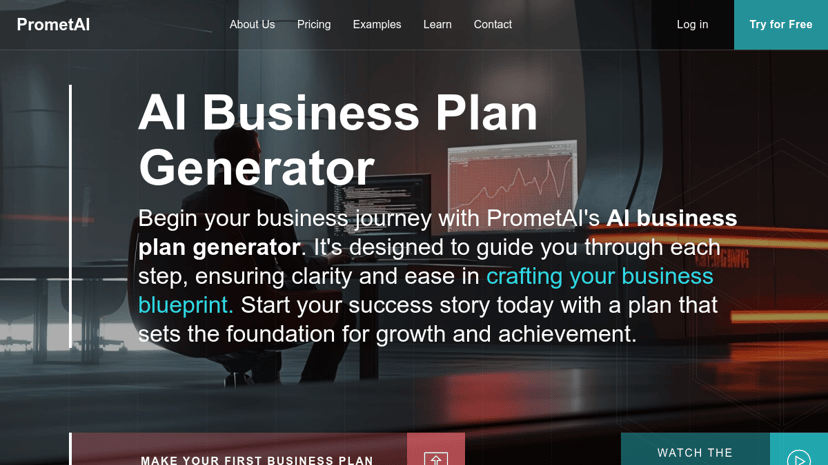
Freemium
Beemer
AI-powered platform for fast, professional pitch deck creation.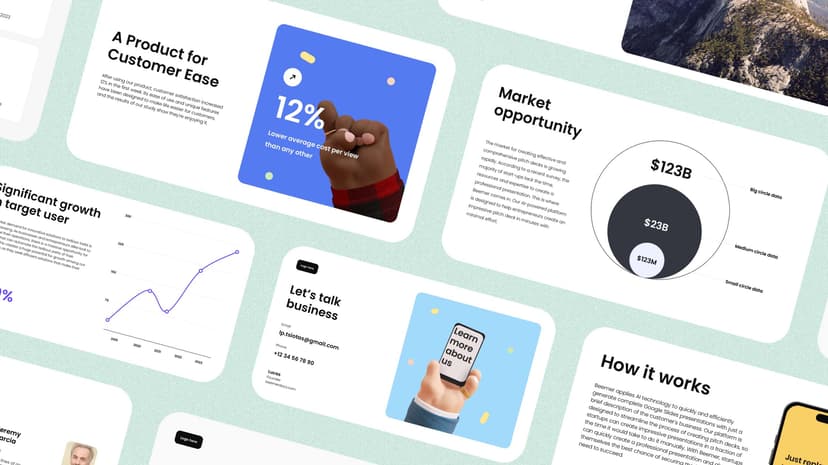
Paid
ProAI
AI-powered tool for generating customized business plans quickly.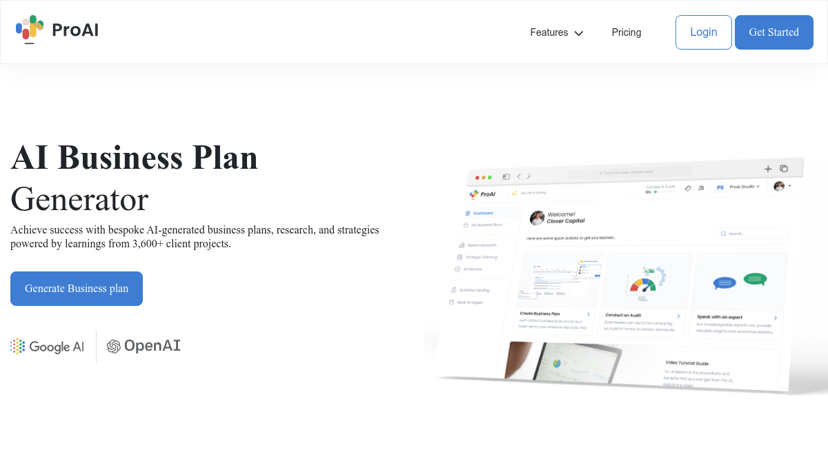
Freemium
Submit Juice
Submit startups to 100+ directories for improved SEO and visibility.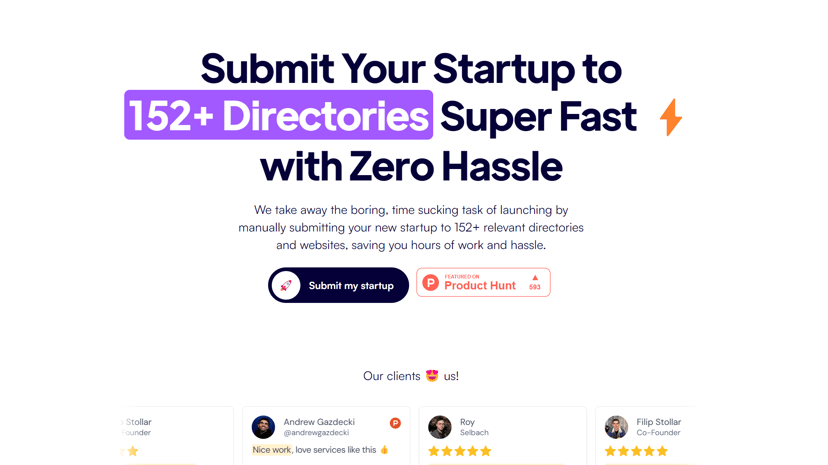
Freemium
DimeADozen.ai
AI-powered business validation and comprehensive report generation.
Freemium
Co-Found
AI-generated business plans and actionable insights for startups.
Product
LeanAI Ventures
AI-powered MVP development in less than 48 hours.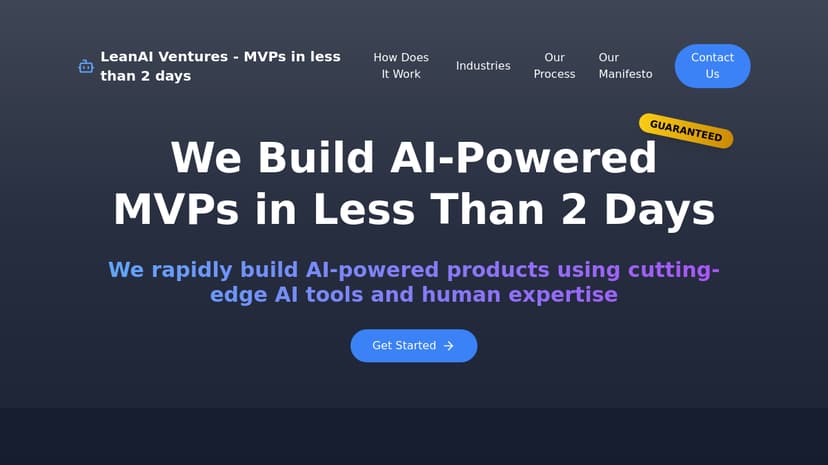
Custom Pricing
ListingBot
Automated directory submissions for increased exposure and backlinks.
Freemium
Vizologi
AI tool for generating business plans and insights.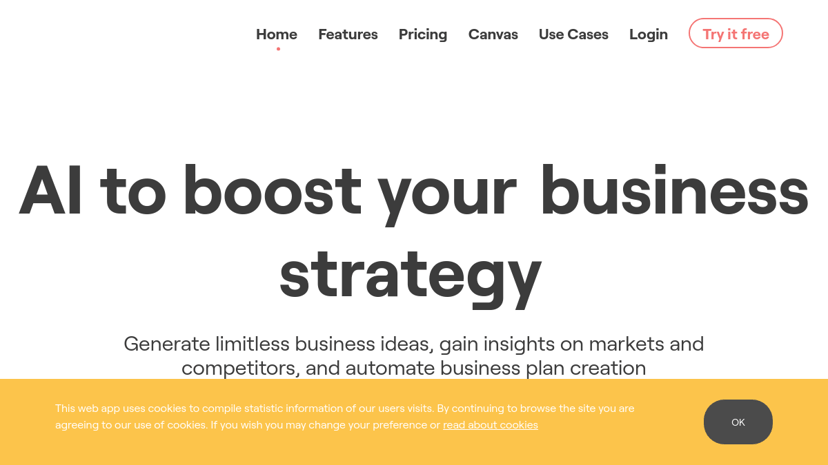
Freemium
Boring Launch
Submit your AI startup to 100+ platforms in 7 days.
Paid
Olympia
AI-powered consultants for business strategy, marketing, and content generation.
Freemium
Marblism
Launch full-stack NextJS apps quickly with customizable code generation.
Freemium
List My Startup
Discover and explore innovative startups in various categories.Freemium
Beaseness
AI tool for validating business ideas and generating plans.
Paid
Instaaa
Promote your startup across 100+ curated websites effortlessly.
Freemium
SaaSlidator
AI-powered tool for rapid SaaS idea validation and insights.
Freemium
Bizway
AI-driven tool for personalized business planning and launch support.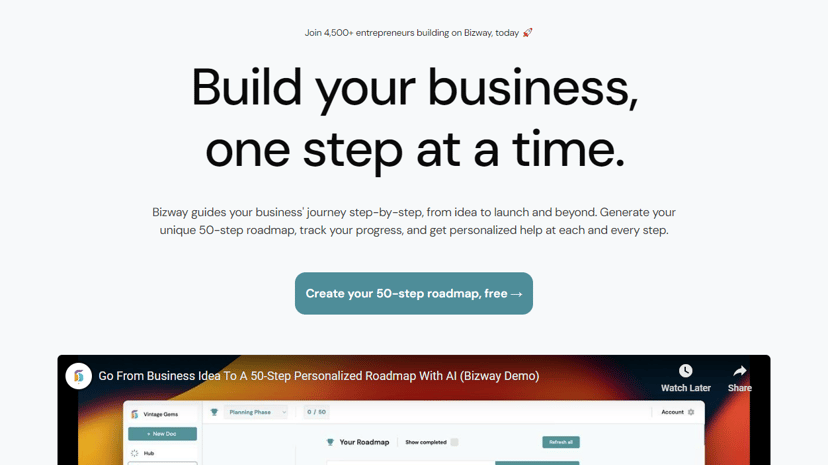
Freemium
SquadGPT
AI-driven candidate hiring with personalized screening and analytics.
Paid
BizPlanner AI
AI business plan generator creating comprehensive plans in minutes.
Paid
IdeaPicker
AI-generated startup ideas based on real user pain points.
Startup Tools: Empowering Entrepreneurs and Small Businesses
Starting a new business can be both exciting and daunting. Entrepreneurs often juggle multiple roles, working tirelessly on product development, marketing, finance, and customer service. This is where startup tools come into play. These tools are designed to streamline operations, enhance productivity, and support growth for budding ventures.
Why Use Startup Tools?
Startup tools can be highly beneficial by automating mundane tasks, providing valuable insights, and facilitating efficient communication. This allows founders to focus on strategic decisions and core business functions. The right tools can save time and money, helping startups to scale faster and more effectively.
Benefits of Using Startup Tools
-
Efficiency and Productivity: Automating repetitive tasks can lead to significant time savings. With task management tools, deadlines are met more consistently, and team collaboration becomes seamless.
-
Cost-Effectiveness: Many startup tools are available at a fraction of the cost of hiring additional staff. Free and low-cost options can provide much-needed support without breaking the bank.
-
Scalability: Tools that grow with your business needs ensure that as your startup expands, your processes remain efficient.
-
Data-Driven Decisions: Analytics tools offer insights into customer behavior, financial trends, and operational efficiencies. These insights can lead to more informed, strategic decisions.
Common Features to Look For
Project Management Tools
Keeping track of various projects and tasks is critical. Look for features such as:
- Task Scheduling: Ability to assign and track deadlines.
- Collaboration: Real-time updates and communication among team members.
- Integration: Compatibility with other tools and platforms.
Financial Tools
Managing finances effectively is essential for startup survival and growth. Key features include:
- Expense Tracking: Automated categorization and tracking of expenses.
- Invoicing: Tools to create and send invoices quickly.
- Reporting: Comprehensive financial reports and dashboards.
Marketing Tools
Reaching the right audience is crucial for growth. Essential features usually involve:
- Email Campaigns: Tools to design, send, and monitor email campaigns.
- Social Media Management: Scheduling and tracking social media posts.
- Analytics: Performance metrics for marketing campaigns.
Cloud Storage and Collaboration
Data accessibility and security are paramount. Look for:
- Cloud Storage: Secure and scalable data storage options.
- File Sharing: Easy sharing and collaboration on documents.
- Backup and Recovery: Robust backup and data recovery options.
What to Look Out For
Selecting the right startup tools is crucial. Consider these aspects:
- Ease of Use: Tools that are intuitive can reduce the learning curve for you and your team.
- Scalability: Ensure the tool can grow with your business.
- Integration: Tools that easily integrate with your existing software ecosystem can save time and reduce complexity.
- Cost: Budget-friendly options that do not compromise on essential features.
- Support and Community: Strong customer support and a vibrant user community can be helpful for troubleshooting and tips.
Conclusion
Startup tools offer incredible advantages by improving efficiency, reducing costs, and enabling better decision-making. Entrepreneurs stand to gain significantly when they carefully select tools that align with their specific needs. Focusing on crucial features and considering the scalability, cost, and ease of integration can lead to an optimized and well-supported business operation. The right tools pave the way for startups to thrive, leaving more room for creativity and strategic growth efforts.