

Best Time Tracking products
Time tracking involves monitoring how time is spent on tasks or projects. We can assist in identifying the best tools and software to optimize your productivity and efficiency.
Freemium
ManicTime
Automatic time tracking software with intuitive reporting features.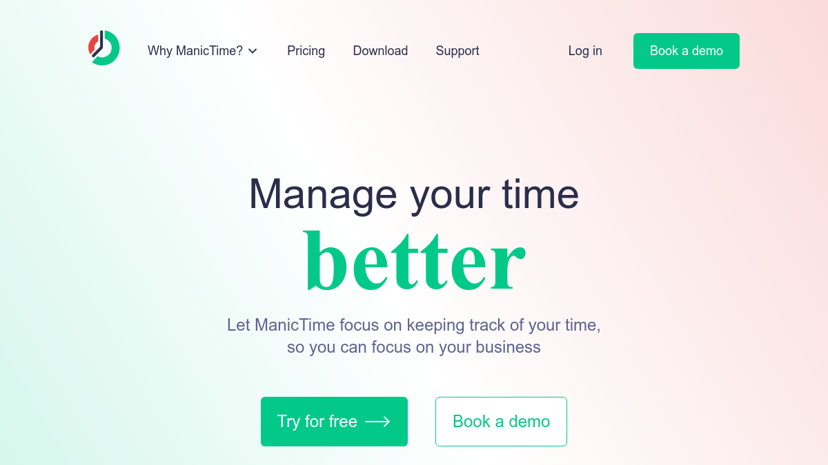
Paid
ScreenTime+
Automatic time tracking app for Mac with detailed reports.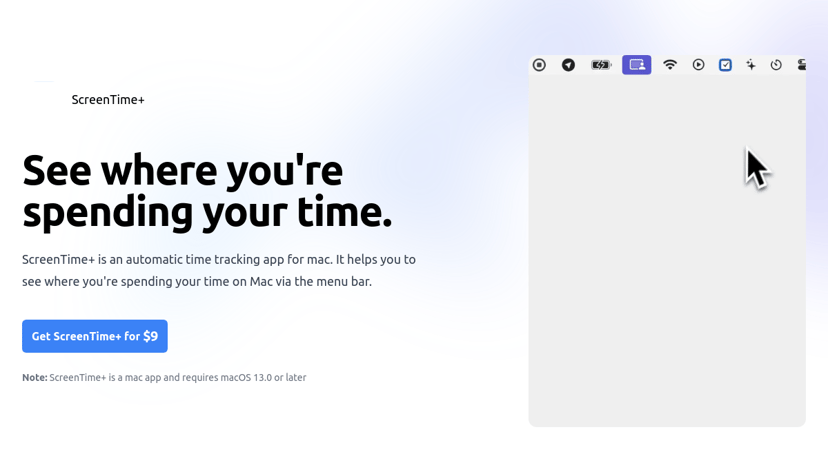
Paid
Insightful
Workforce analytics software for productivity tracking and remote management.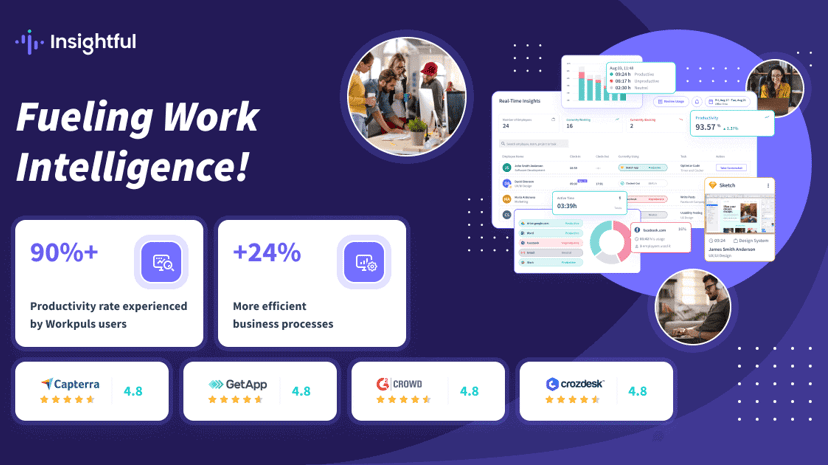
Product
Y-Productive
Desktop app tracking internet usage and personal productivity.Freemium
Paymo
Project management, time tracking, and invoicing for small businesses.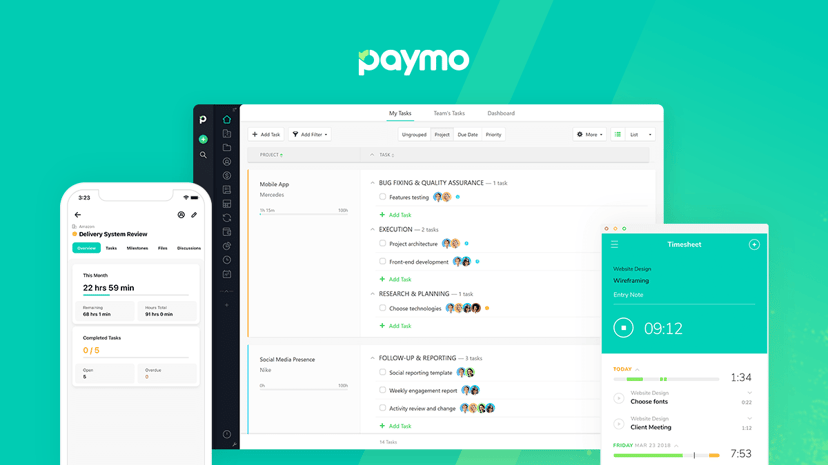
Freemium
Clockk
AI-powered time tracking for accurate billing and productivity insights.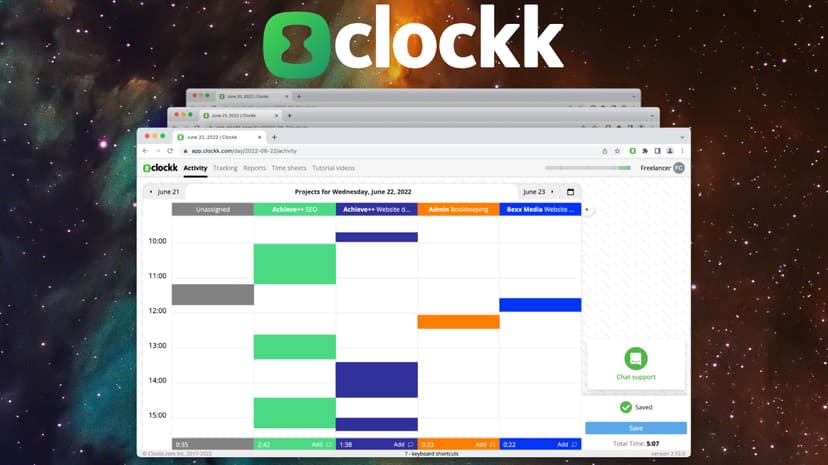
Freemium
Toggl Track
Intuitive time tracking software for improved efficiency and reporting.
Freemium
TimeCamp
Automated time tracking software for productivity and project insights.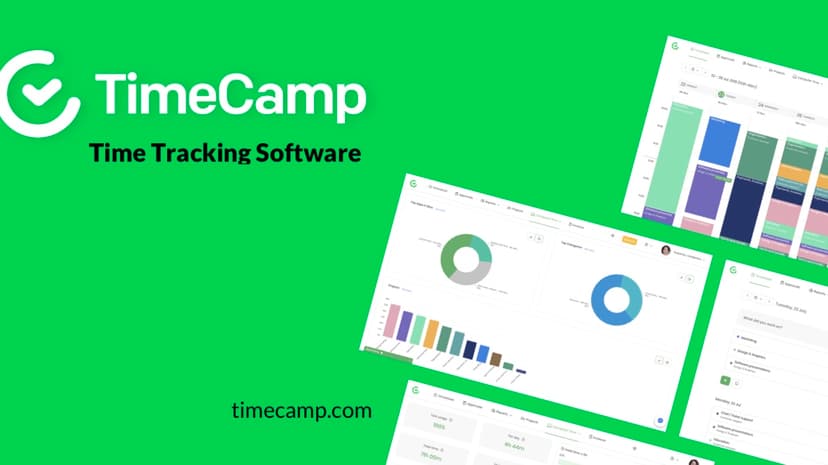
Freemium
timeBuzzer
Intuitive time tracking software with a hardware buzzer.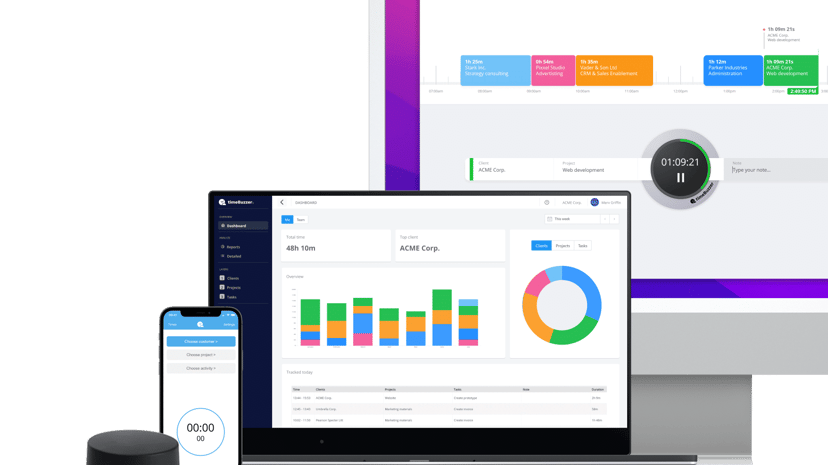
Freemium
DeskTime
Automated time tracker for productivity analysis and project management.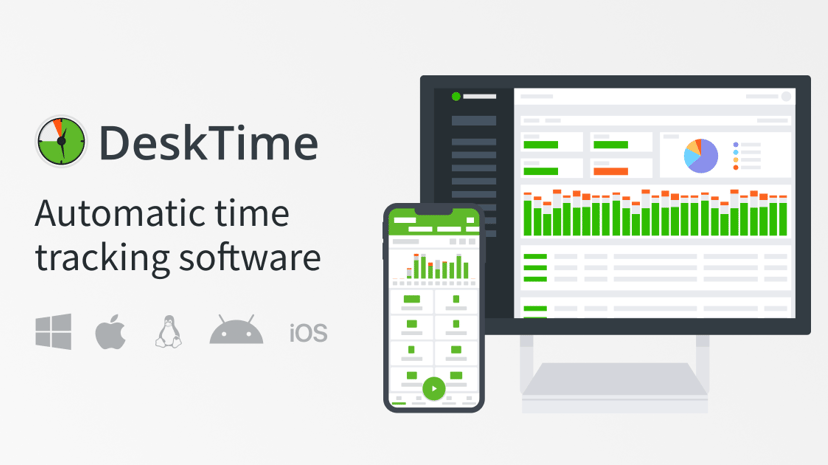
Freemium
Kimai
Cloud-based time tracking software with extensive features for teams.
Freemium
Time Doctor
Workforce analytics for remote and in-office team productivity.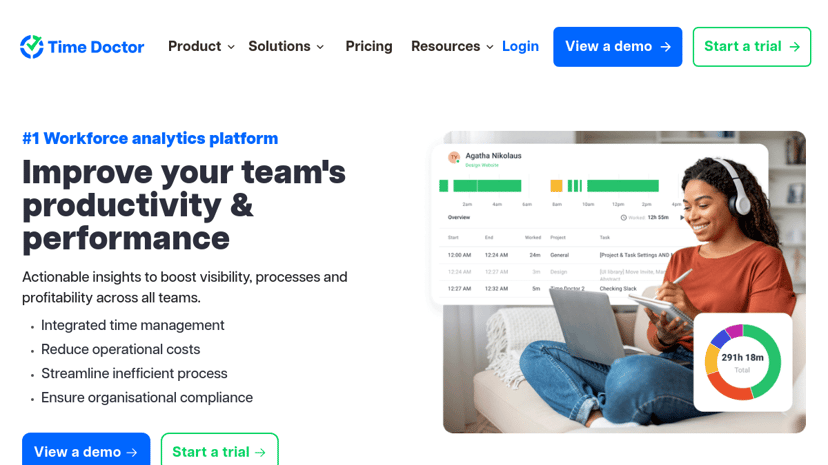
Freemium
RescueTime
Automated time tracking software for enhanced productivity and focus.
Freemium
timeOS
Automated meeting notes and AI scheduling for efficient time management.
Freemium
Buddy Punch
Online time clock software for employee time tracking.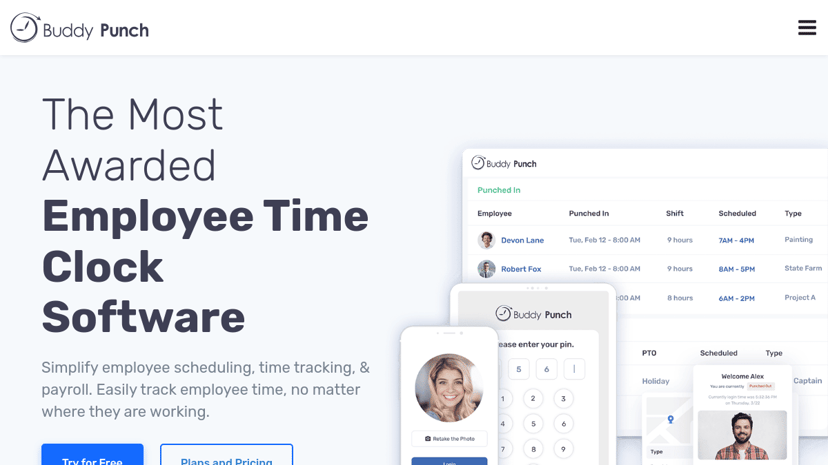
Freemium
Worklog
Seamless time tracking for software professionals with advanced features.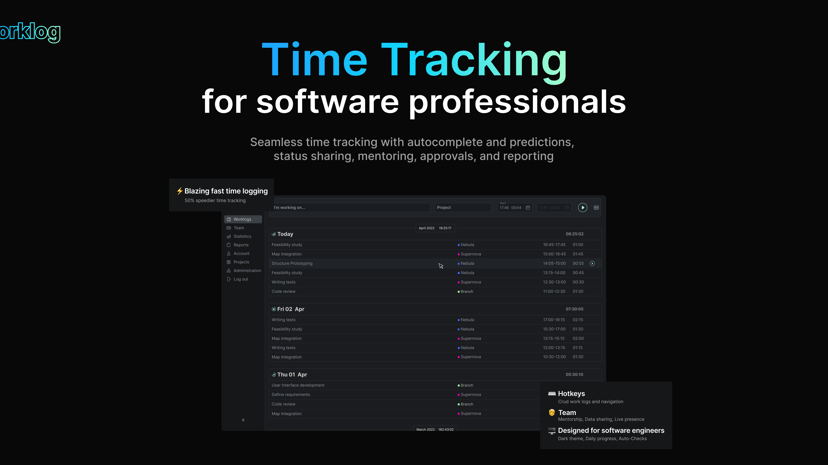
Freemium
Wingleap
Freelance software for project management, time tracking, and invoicing.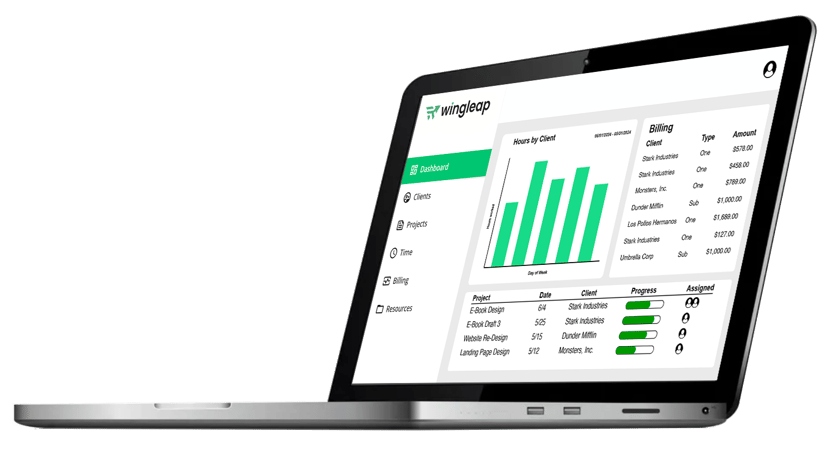
Freemium
TimeMaster
AI-driven time management tool for enhanced focus and productivity.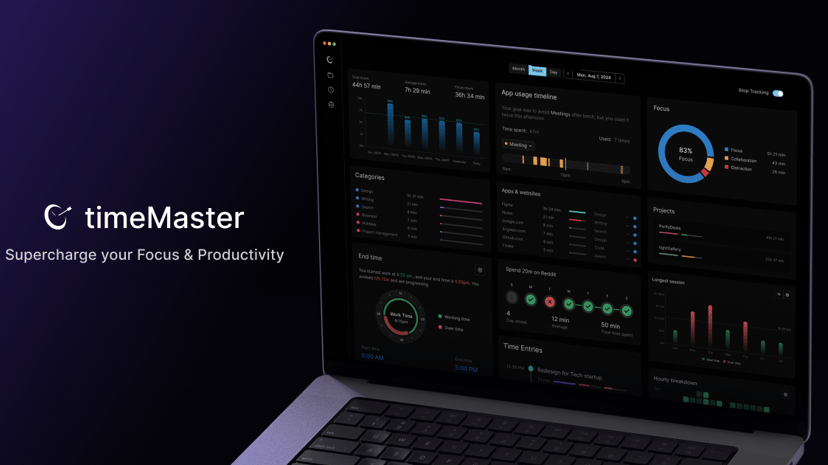
Freemium
Celayix
Automated employee scheduling software for various industries.
Custom Pricing
Laurel
Automated timekeeping software for lawyers, enhancing efficiency and billing.
Freemium
Notepad
Time tracking, tasks, reports, invoices, and contacts in one tool.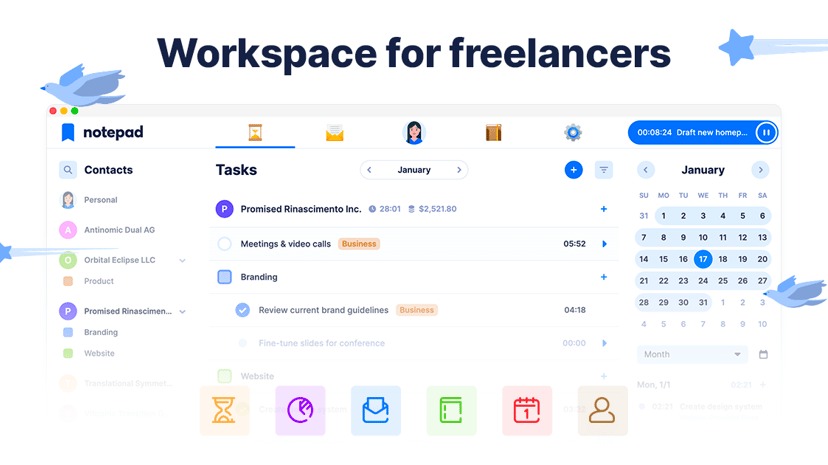
Freemium
MoonApps
Comprehensive software for invoicing, time tracking, and employee management.
Freemium
Monitask
Employee monitoring software for tracking productivity and computer activity.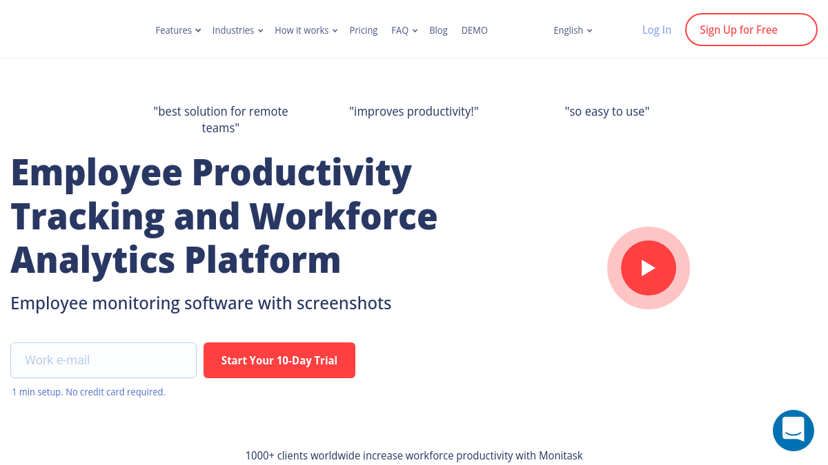
Freemium
Kimai
Open-source time-tracking solution for freelancers and businesses.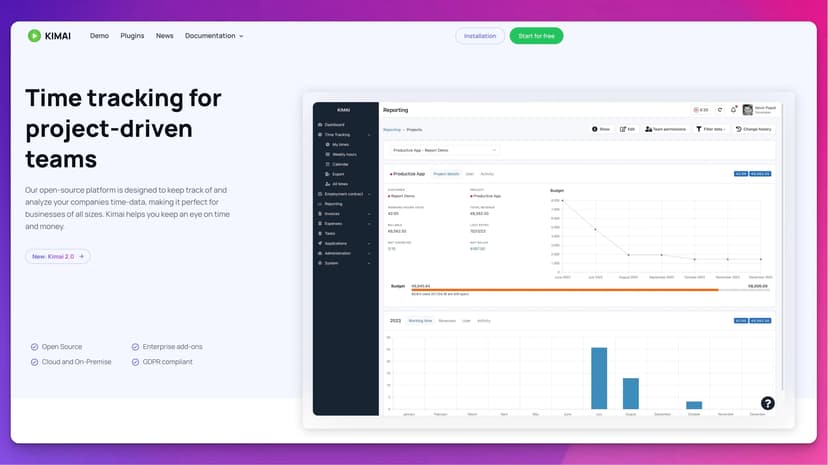
Understanding Time Tracking: A Practical Guide
Time tracking is the process of recording the time spent on various tasks and activities throughout the day. Whether for personal projects, freelance work, or team management in a corporate environment, time tracking serves a fundamental role in understanding how time is allocated and how it can be used more effectively.
Why Use Time Tracking?
Many people find that time tracking helps to clarify how they are spending their hours, which can lead to more productive habits. By gaining insights into their daily routines, individuals can identify time-wasting activities or periods of inefficiency. This self-awareness often fosters better time management skills, allowing people to prioritize essential tasks and allocate sufficient time to complete them.
For businesses, particularly those that bill clients by the hour, time tracking ensures accurate invoicing and transparency. By tracking billable hours precisely, companies can maintain better client relationships and improve their overall financial health. Additionally, organizations can benefit from understanding team performance and project timelines, leading to more informed decision-making.
Common Features in Time Tracking Tools
When considering a time tracking tool, it’s important to look for features that cater to your specific needs. Common functionalities include:
-
Time Entry: The ability to log time manually or through timers is essential. Many tools allow for both to accommodate different working styles.
-
Reporting: Generating reports that break down time spent on various tasks or projects helps in assessing productivity levels and resource allocation.
-
Integrations: Compatibility with other apps used for project management, invoicing, or team communication can significantly enhance usability.
-
Mobile Access: As remote work becomes more prevalent, mobile-friendly time tracking solutions allow users to track their tasks on the go.
-
Notifications and Reminders: Features that prompt users to track their time regularly can help instill the habit of time monitoring.
What to Consider When Choosing a Product
Selecting the right time tracking tool can be a daunting task given the myriad of options available. A few criteria to consider include:
-
Ease of Use: The interface should be intuitive to help users get started quickly without extensive training.
-
Scalability: For businesses, it's important to choose a tool that can scale with growth. Features suitable for small teams may not meet the needs of larger organizations.
-
Pricing Structure: Understanding the pricing model is crucial. Some tools charge per user, while others offer flat rates or tiered pricing based on features offered.
-
Customer Support and Community: Access to reliable customer service and an active user community can provide valuable assistance.
-
Trial Periods: Many time tracking tools offer free trials. Testing a product before making a commitment can help determine if it meets your needs.
Finding the Best Time Tracking Tools
Choosing the right time tracking tool can enhance productivity whether for personal use or within an organization. A comprehensive directory of products can simplify this process by showcasing various tools, their features, pricing, and notable competitors or alternatives. This allows for an informed decision-making process tailored to specific requirements.
Whether seeking software for managing personal projects or improving team efficiency, discovering the right time tracking solution can lead to a more organized and structured approach to time management, ultimately helping users achieve their business goals.