

Best Unified Device Management products
Unified Device Management streamlines the oversight of devices, enhancing efficiency and security across organizations. We can assist in identifying top solutions tailored to your specific needs.
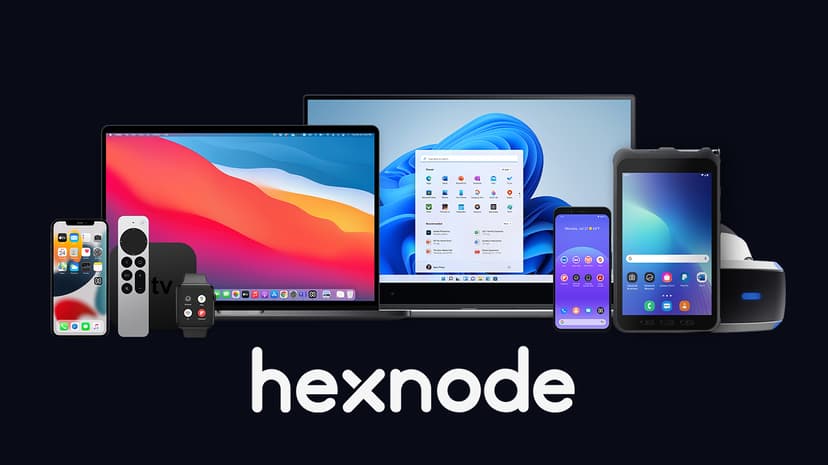
Unified Device Management: Streamlining Your Tech Ecosystem
Unified Device Management (UDM) refers to a comprehensive approach to managing all the devices used within an organization, whether on-premises or in the cloud. This methodology provides administrators with a centralized platform to supervise various devices, such as smartphones, tablets, laptops, and IoT gadgets, ensuring seamless operation and enhanced security. As businesses increasingly rely on a multitude of devices to carry out daily operations, UDM serves as an essential tool in simplifying device management processes and creating a cohesive technology ecosystem.
Why Unified Device Management Matters
The integration of personal devices in the workplace, along with the rise of mobile and remote work, has made UDM a necessity. Organizations face challenges in maintaining control over their devices, protecting sensitive data, and ensuring compliance with regulatory requirements. UDM solutions maximize efficiency by allowing IT departments to manage all devices from a single dashboard, mitigating risks associated with data breaches and device mismanagement.
Moreover, UDM helps improve user experience across the organization. Employees can benefit from easier access to necessary tools and applications, leading to improved productivity. When devices are consistently updated and managed effectively, users experience fewer disruptions, allowing them to focus on their core tasks. UDM also plays a role in reducing operational costs by minimizing time spent on troubleshooting and device management.
Key Features of Unified Device Management
When considering UDM solutions, it is essential to know which features to look out for. Some common functionalities include:
- Device Enrollment: Enables rapid addition of devices to the management system, often through automated workflows.
- Configuration Management: Standardizes settings and applications across all devices, ensuring a uniform user experience.
- Security Policies: Implements security measures such as encryption, remote wipe, and password management to protect sensitive data.
- Software Deployment: Facilitates the installation and updating of applications remotely, reducing downtime and manual efforts.
- Monitoring and Reporting: Offers analytics and reporting capabilities that help track device performance and security compliance.
- Remote Support: Provides real-time troubleshooting assistance to users, enhancing operational continuity.
Choosing the Right Unified Device Management Solution
Selecting an appropriate UDM product requires careful consideration of several factors. Firstly, assess the scalability of the solution to ensure it can grow alongside your organization as new devices and technologies emerge. Secondly, evaluate the ease of use; a complex interface may hinder effective management.
Additionally, look for solutions that provide seamless integration with existing systems. Compatibility with other tools and platforms used in your organization is vital to create a cohesive tech environment. Pricing structures should also be reviewed, as some solutions offer subscription-based services while others may require an upfront investment.
Lastly, consider the level of support and resources provided by the vendor. Robust customer service can make a significant difference in quickly resolving any issues that arise during device management.
Finding the Best Unified Device Management Products
Navigating the array of UDM solutions available can be overwhelming. Our directory can assist in this process by offering a comprehensive overview of the most effective products. It includes detailed information on features, pricing, competitors, and potential alternatives. This resource ensures that organizations can make informed decisions tailored to their unique needs and business goals.
In summary, Unified Device Management offers significant advantages to organizations looking to streamline their device management processes. By adopting the right UDM solution, businesses can enhance security, improve productivity, and ultimately support their strategic objectives.