

Best Analytics products
Analytics involves collecting and analyzing data to inform decision-making. We can help you identify top tools and resources to enhance your analytical capabilities and drive better business outcomes.
Freemium
STRING
Conversational analytics tool for seamless data interaction.
Freemium
Triple Whale
Centralized platform for accurate e-commerce data and insights.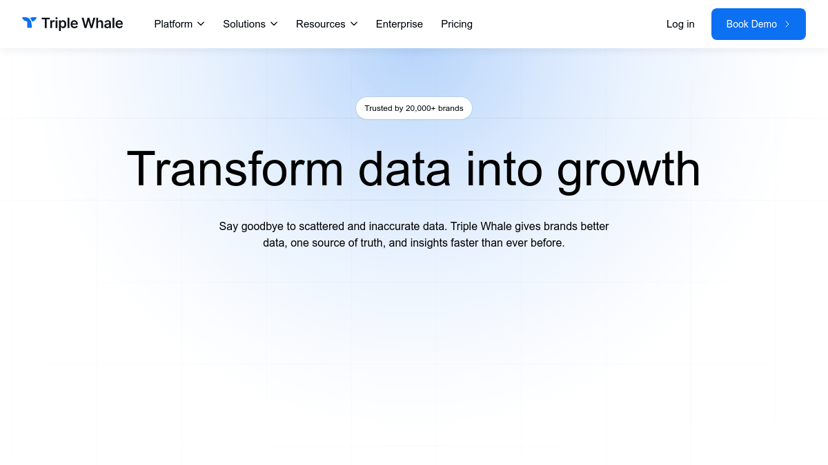
Freemium
Highperformr
AI-driven social media management for LinkedIn and X/Twitter.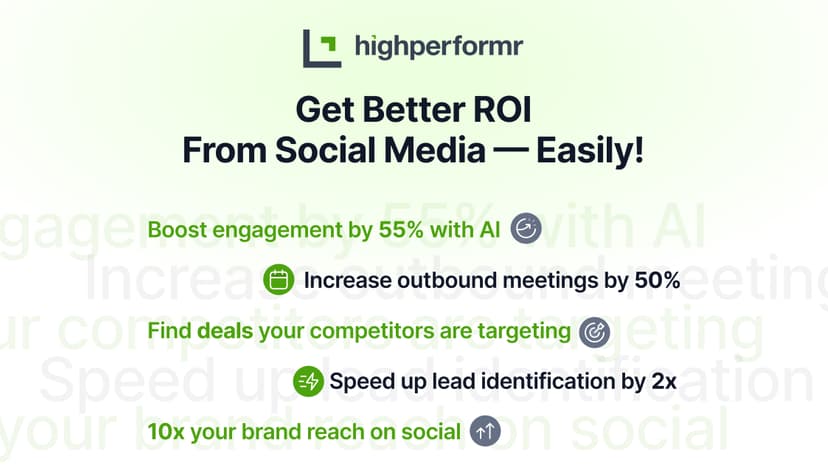
Product
Apple
Analyzes Twitter trends to identify potential bot accounts.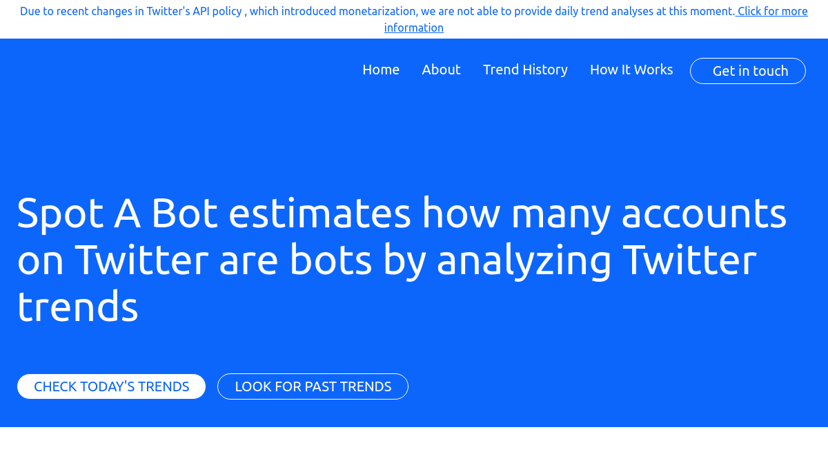
Custom Pricing
Native AI
Always-on market intelligence platform for consumer insights and trends.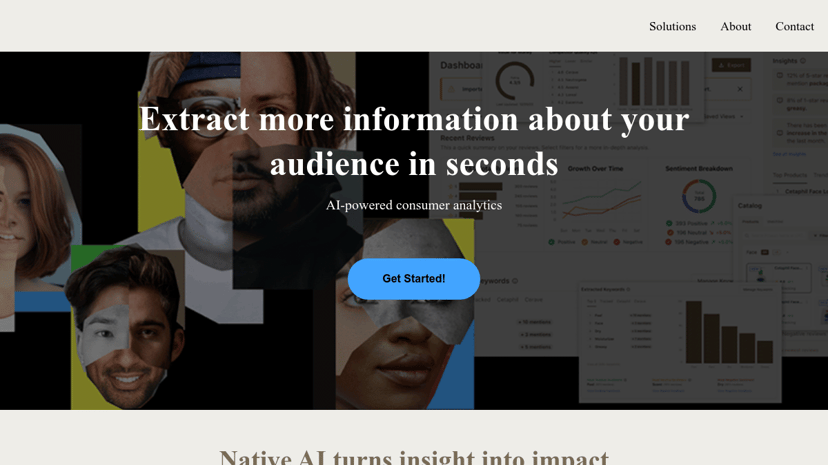
Freemium
Zipy
AI-powered platform for session replays, error tracking, and analytics.
Paid
TheLoops
AI platform for CX with agent monitoring and insights.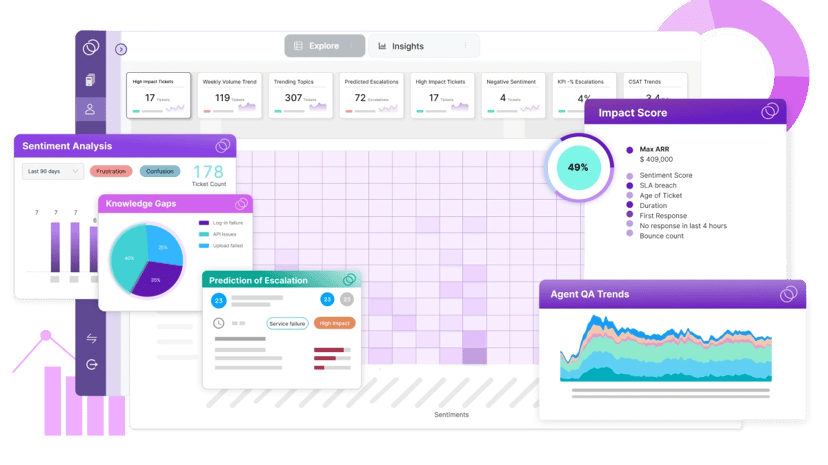
Freemium
Mida
Lightweight A/B testing tool for optimizing business strategies.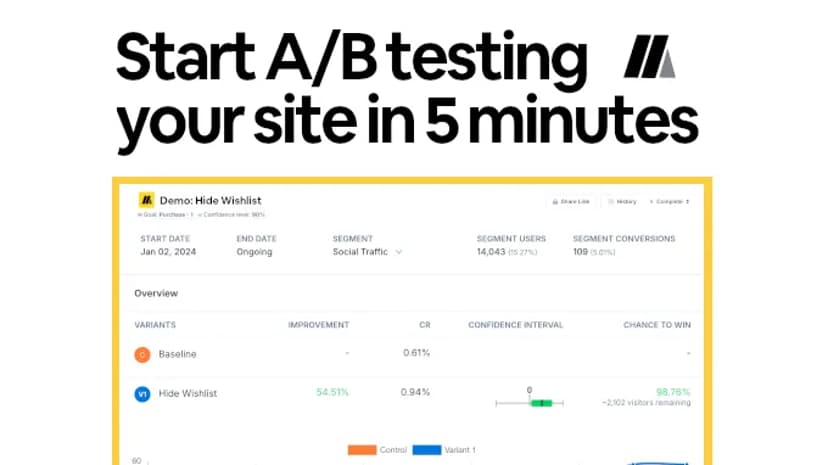
Freemium
RankU
Personalized recommendations for YouTube channel growth and insights.
Freemium
Fyrefly
Organize growth hacks and marketing experiments in one tool.
Freemium
Dub
Open-source link management platform for modern marketing teams.
Freemium
Narrative BI
Generative analytics platform converting data into natural language insights.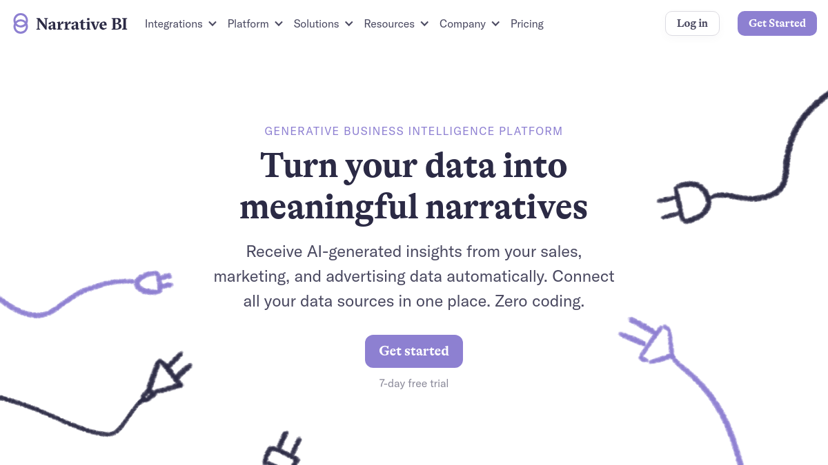
Custom Pricing
Lifesight
Unified marketing measurement platform for actionable data insights.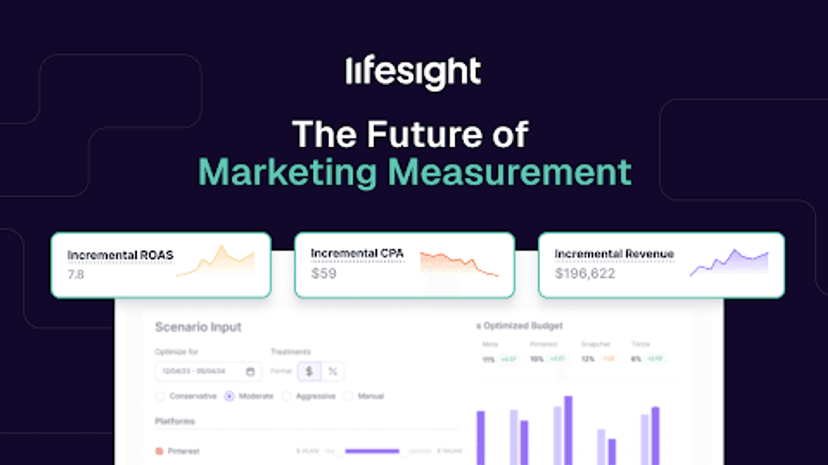
Freemium
Fullscore
YouTube optimization insights and analytics to improve content.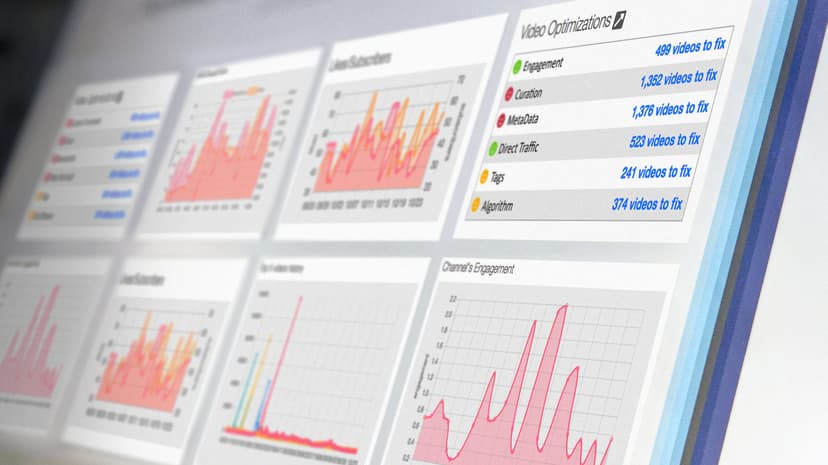
Freemium
Neuralmind
AI-powered product analytics enabling natural language data queries.Freemium
Intelogos
Workforce analytics software offering AI-driven performance insights and tracking.Freemium
Appinion
App feedback analysis with sentiment tracking and review management.
Custom Pricing
Patsnap
AI-powered IP and R&D intelligence for enhanced decision-making.
Freemium
Tabula
AI-powered platform for data aggregation, transformation, and visualization.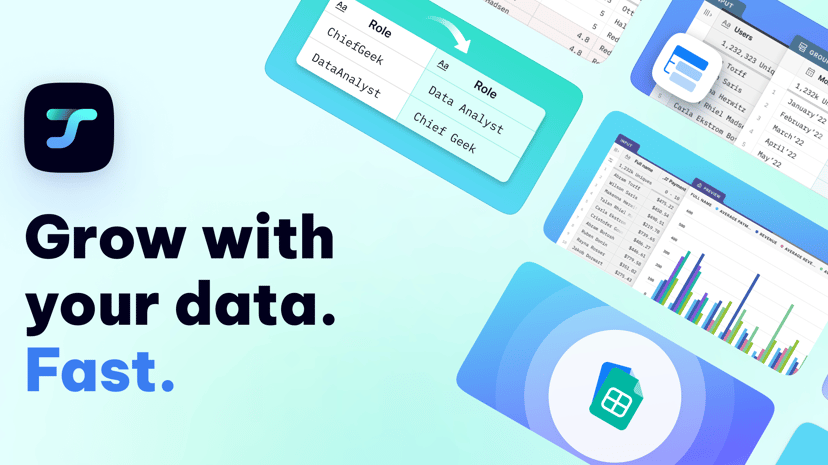
Freemium
JotURL
Comprehensive link management platform for branding, tracking, and conversions.
Freemium
Props AI
Analytics platform for understanding and optimizing generative AI applications.
Freemium
Flowtrail AI
Conversational AI that transforms data queries into actionable insights.
Paid
Lychee
Create stunning, customizable charts effortlessly with Easy Charts.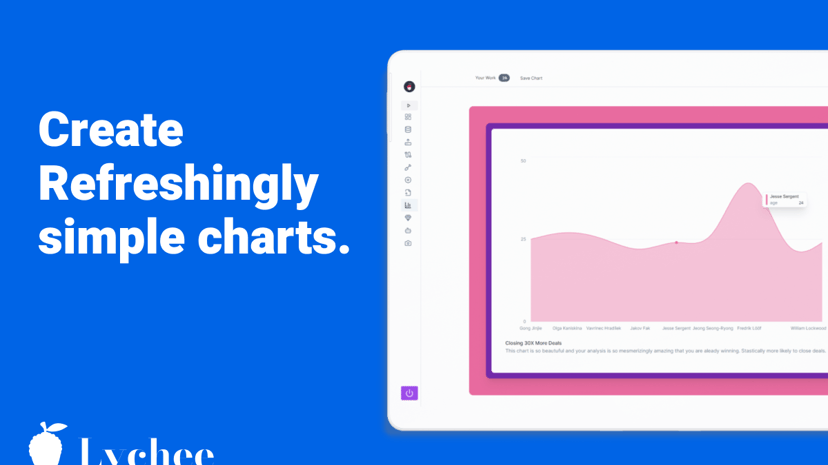
Freemium
Delineate
Ecommerce predictive analytics for customer segmentation and lifetime value.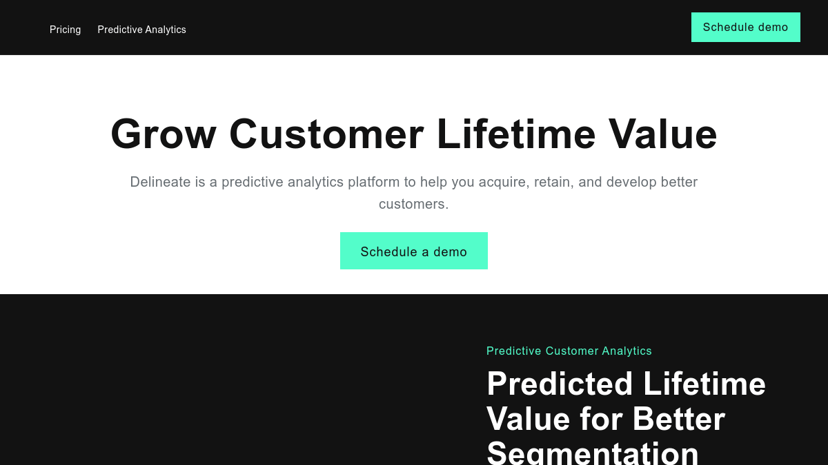
Freemium
QR Code AI
Artistic QR Code generator with customization and analytics features.
Freemium
Baseboard
AI-powered tool for customizable data visualization and insights.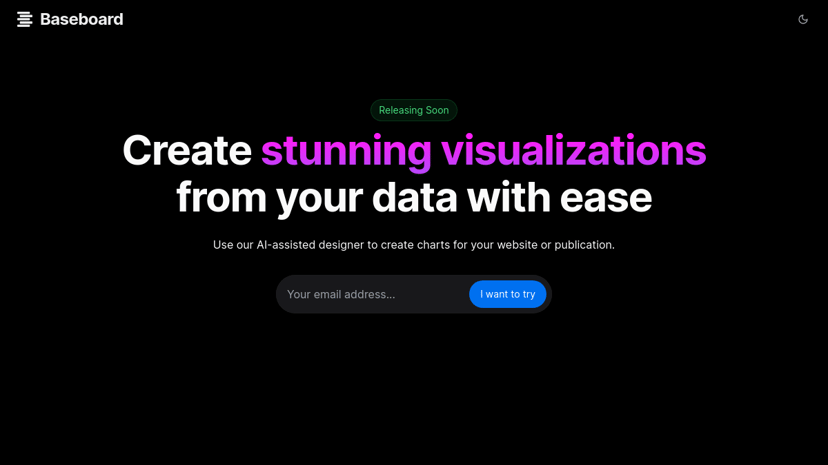
Freemium
Staircase AI
Customer intelligence platform analyzing signals to predict churn.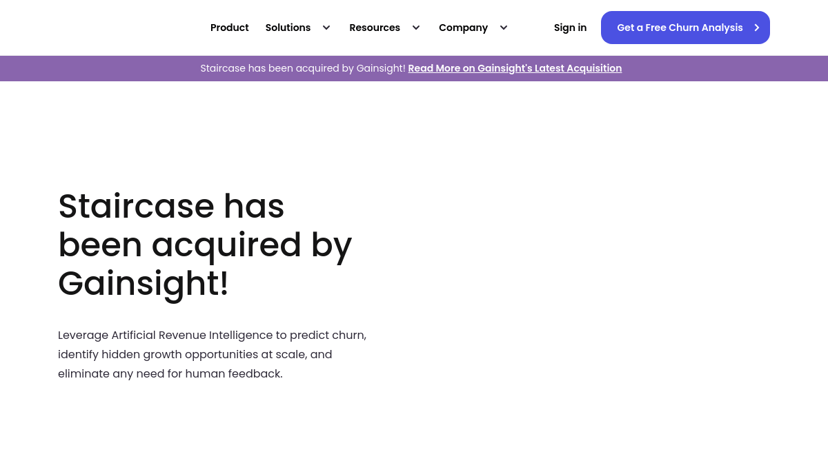
Freemium
Amplitude
Powerful product analytics and event tracking platform for insights.
Custom Pricing
DigitbiteAI
AI-powered predictive analysis and automation solutions for businesses.
Custom Pricing
Hyros
Accurate ad tracking software maximizing long-term profit and ROI.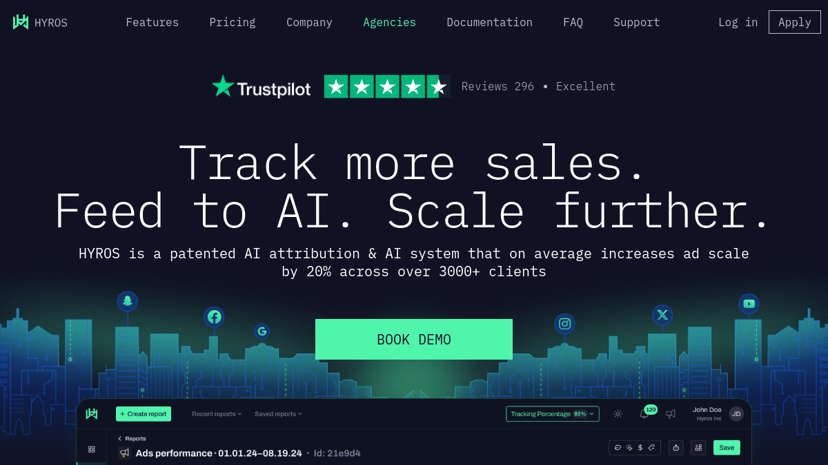
Understanding Analytics: Enhancing Decision-Making and Efficiency
Analytics, in its simplest form, refers to the systematic analysis of data, transforming raw information into meaningful insights. Whether it's a small business looking to optimize operations or a large corporation striving for market dominance, analytics can play a vital role in informed decision-making, ultimately driving success. By applying analytics, organizations can uncover trends, measure performance, and enhance customer experiences.
Why Use Analytics?
Adopting analytics can lead to numerous advantages. At its core, utilizing analytics helps businesses make data-driven decisions, reducing reliance on gut feelings or assumptions. These informed decisions can lead to improved operational efficiency, increased revenue, and enhanced customer satisfaction.
For individuals and businesses alike, understanding and utilizing analytics can result in a deeper insight into behaviors, preferences, and patterns. For example, businesses can analyze customer data to personalize marketing strategies, ultimately leading to better engagement and higher conversion rates. Analysts can also assess internal processes, pinpointing inefficiencies and areas for improvement.
Common Features of Analytics Tools
Choosing the right analytics tool can be daunting, given the variety available in the market. Most analytics tools share common features designed to facilitate data analysis:
-
Data Visualization: A strong analytics tool offers visual representations of data through charts, graphs, and dashboards. These visual aids help users quickly grasp complex information.
-
Reporting Capabilities: Effective report generation is crucial. Good analytics tools provide customizable reports that focus on specific metrics relevant to a user’s goals.
-
Real-time Data Processing: The ability to analyze data in real-time can be instrumental for businesses needing to react quickly to changes in the market or consumer behavior.
-
Integration Capabilities: Compatibility with other software and systems is important. Analytics tools that can seamlessly integrate with existing technologies allow for a more cohesive data analysis process.
-
User-Friendly Interface: An intuitive design is essential for maximizing efficiency. Tools that require minimal training allow users to start analyzing data without a steep learning curve.
Key Considerations When Choosing an Analytics Product
When selecting an analytics tool, several factors warrant consideration:
-
Purpose and Use Case: Identifying the primary purpose of the analytics tool helps narrow down options. Different tools cater to different needs, such as marketing analytics, operational analytics, or financial forecasting.
-
Scalability: As businesses grow, their data needs evolve. Selecting an analytics product that can scale with business growth is crucial for long-term usability.
-
Cost and Budget: Understanding the pricing structure is vital. Some tools might offer hidden fees or charges based on the number of users, data volume, or features implemented. Comparing pricing across options can aid in finding the best fit for your budget.
-
Support and Resources: Comprehensive support can significantly affect user experience. Tools that offer robust customer service and resources for learning can be more beneficial in the long run.
-
Data Security: Given the increasing importance of data privacy, ensuring that the selected analytics tool meets security standards and regulations is essential.
Discovering the Right Analytics Tools
Finding the right analytics products can be simplified through a well-curated directory. This directory includes a range of top products, detailed descriptions of their features, pricing comparisons, and insights into competitors and alternative solutions. By exploring these resources, individuals and businesses can make informed choices that ultimately enhance their operational efficiency and strategic decision-making processes.
In conclusion, incorporating analytics into business practices can be a valuable step toward improved outcomes and operational success. Understanding how to navigate the various available tools can lead to better decision-making and more effective strategies to achieve business goals.