

Best design products
Explore innovative design concepts that blend functionality with aesthetics. We assist in sourcing the finest products tailored to your unique style and needs, ensuring a perfect match for your vision.
Freemium
Patterned AI
Generate unique, seamless, royalty-free patterns with AI.
Custom Pricing
Polyhive
Generative AI platform for rapid production of 3D assets.
Freemium
Figma Autoname
Automatically rename Figma layers in one click using AI.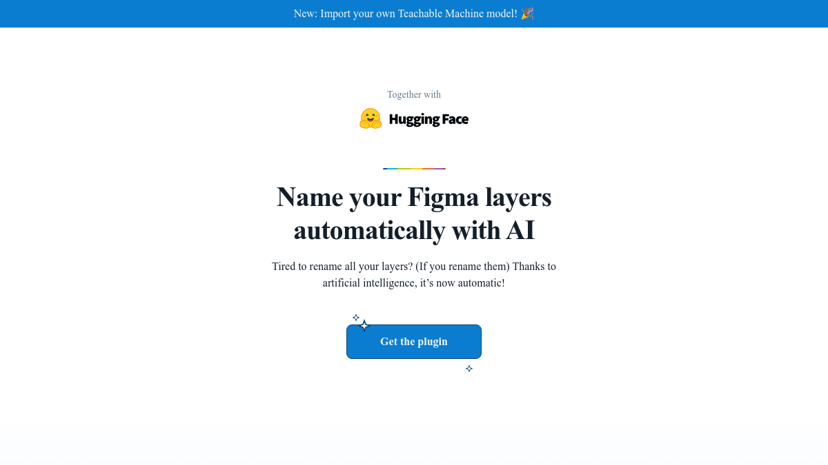
Freemium
Luny AI
AI-powered tool for generating and editing UI designs quickly.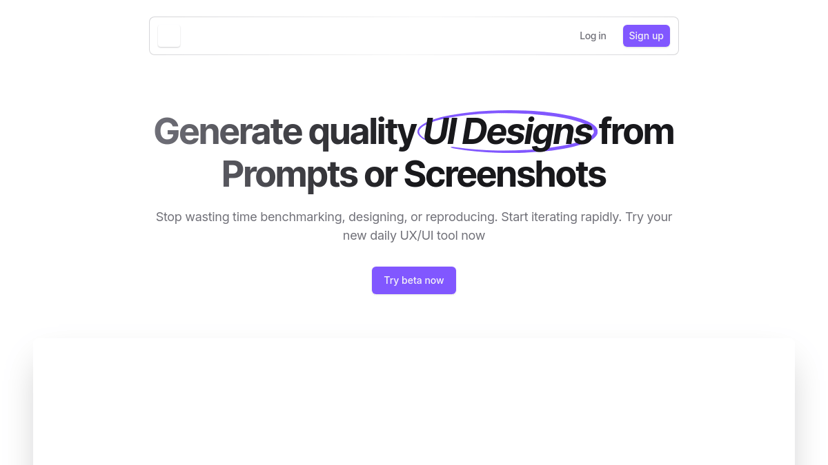
Paid
QCAD
Free, open-source 2D CAD software for multiple platforms.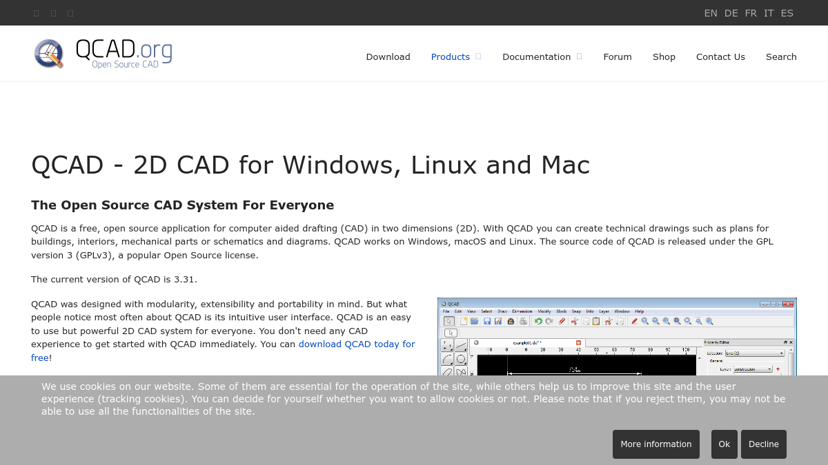
Freemium
PicFinder.AI
AI-powered image generator for limitless creative possibilities.
Freemium
Apparent Software
Useful macOS applications for managing finance, photos, and files.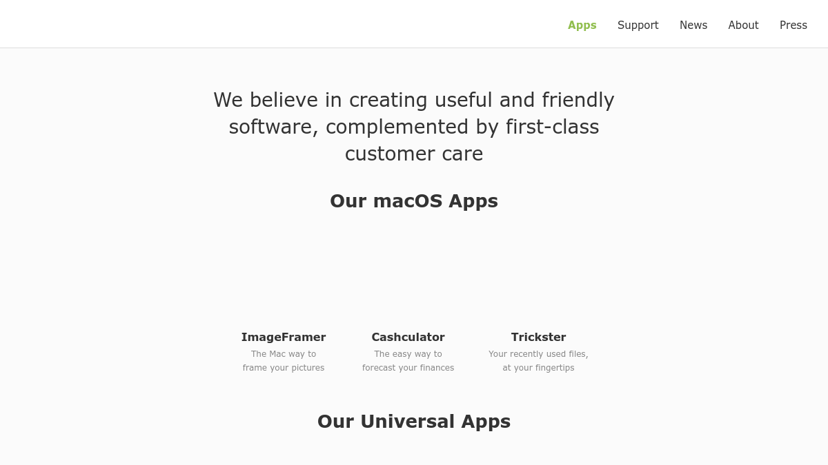
Freemium
InkAi
AI-powered tool for unique, personalized tattoo design previews.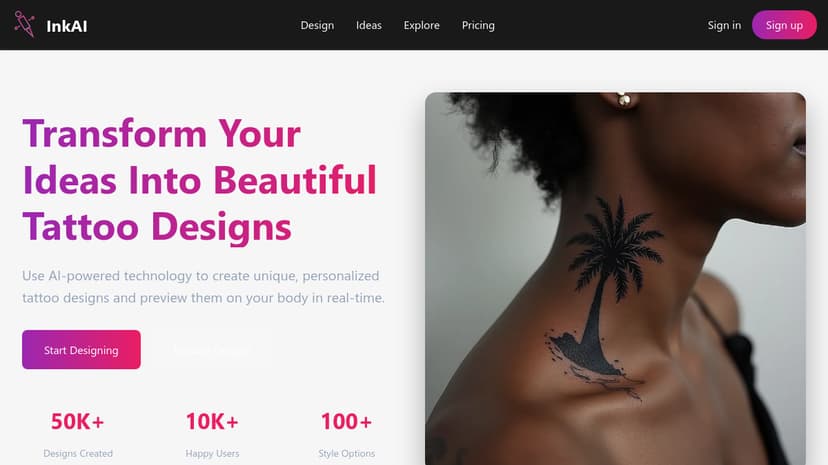
Freemium
Toolfolio
All-in-one platform for productivity, creativity, and design tools.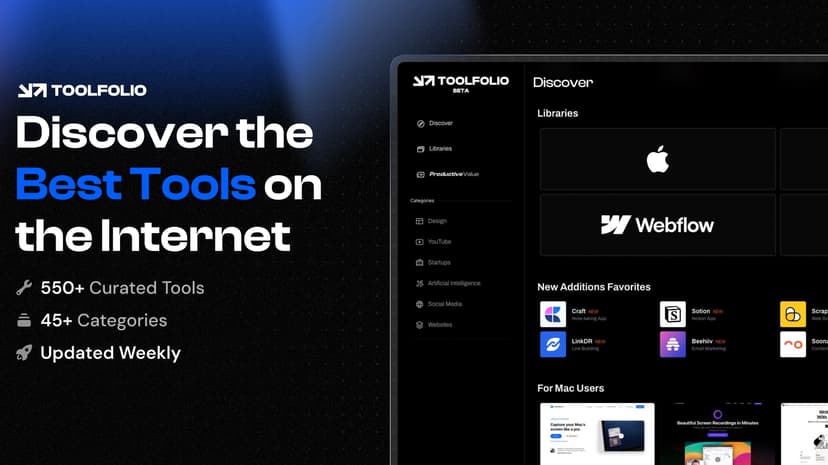
Paid
Blacksun Software
Innovative software for font management, file organization, and color picking.
Freemium
SuperCraft
Generative AI tool for visualizing and designing physical products.
Product
Gpick
Advanced color picker and palette editing tool with various formats.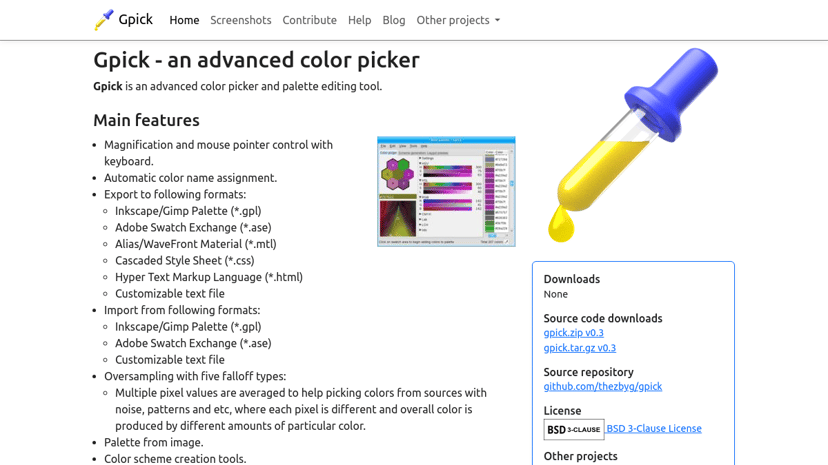
Freemium
RoomsGPT
Free AI design tools for transforming home spaces.
Freemium
Figma
Collaborative design tool for prototyping and feedback collection.
Freemium
UX Pilot
AI-powered UX tools for wireframing, design reviews, and insights.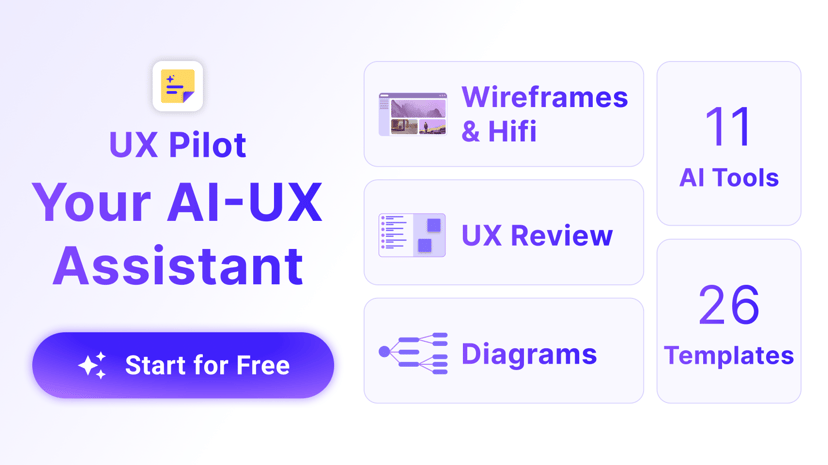
Freemium
Design Buddy
AI-powered design assistant for real-time feedback and improvements.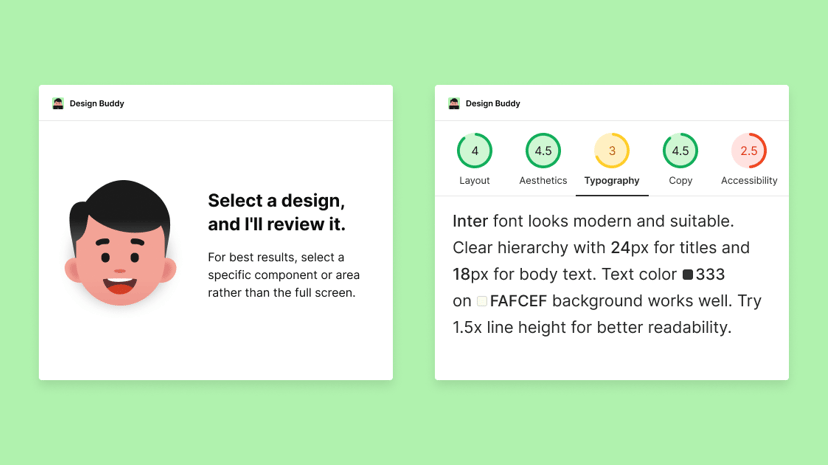
Product
Spectral Labs
Spatial intelligence platform for next-generation 3D design.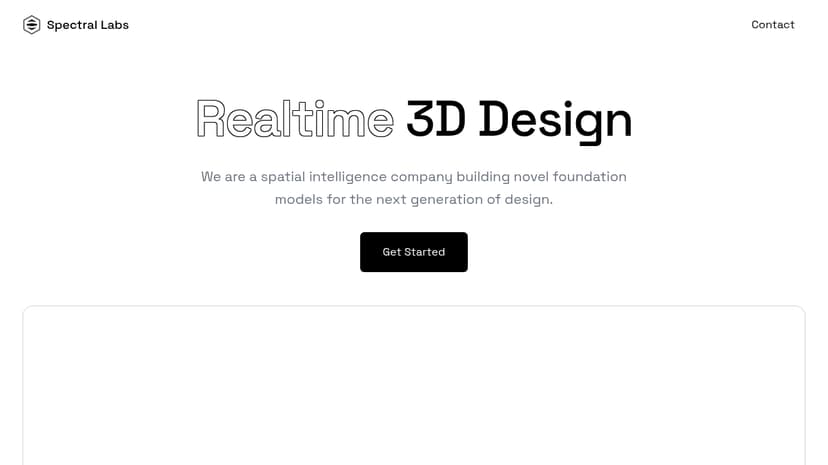
Paid
Rhinoceros 3D
Versatile 3D modeling, design, and presentation software with plugins.
Understanding Design Tools: Enhancing Creativity and Productivity
Design tools are essential software applications and platforms that help individuals and teams create visual content more effectively. These tools range from graphic design software, mockup generators, and prototyping apps to content management systems that facilitate design workflows. In today’s digital-centric world, utilizing the right design tools can significantly enhance creativity and productivity, making it easier to communicate ideas visually.
Benefits of Using Design Tools
Using design tools can lead to many advantages for both individuals and teams. For businesses, effective design can improve brand identity, enhance marketing efforts, and increase customer engagement. Individuals benefit from these tools by having access to resources that allow them to express their ideas clearly and professionally. Whether working on a simple project like a flyer or a more complex endeavor such as a website, good design can make a notable difference in perception and effectiveness.
Moreover, design tools often come with a variety of features that streamline workflows and minimize the time spent on repetitive tasks. Users can create templates, utilize drag-and-drop functionality, and collaborate in real time, ultimately leading to improved efficiency.
Common Features to Look For
When selecting a design tool, several common features can enhance the user experience:
-
User-Friendly Interface: A simple and intuitive interface is crucial for quick navigation and an efficient workflow, especially for those new to design.
-
Templates and Assets: Access to a diverse library of templates and design assets can be valuable, providing a solid starting point for projects and saving time.
-
Collaboration Features: Many design tools now support real-time collaboration, allowing teams to work together seamlessly, whether they are in the same location or remote.
-
Export Options: The ability to export designs in various formats (such as PNG, JPEG, or PDF) is vital for sharing work across different platforms.
-
Integration Capabilities: Compatibility with other tools and software can enhance functionality and streamline workflows, allowing users to integrate design work with marketing and project management processes.
Considerations When Choosing a Design Tool
While many design tools offer similar features, it is essential to consider some aspects before making a choice:
-
Skill Level: Assessing your own or your team’s skill level can guide you towards tools that are appropriate—beginner-friendly tools for novices and more sophisticated options for experienced designers.
-
Cost: Design tools come in various pricing models, from one-time purchases to subscription-based services. Evaluating the price in relation to features and benefits is recommended.
-
Community and Support: A strong user community and good customer support can make a significant difference in troubleshooting and learning how to maximize the tool's features.
-
Trial Versions: Many design tools offer free trials, which can be a great way to test out the software before committing to a purchase.
Finding the Right Design Tool
Selecting the right design tool can seem daunting given the numerous options available. However, it doesn’t have to be overwhelming. We provide a comprehensive directory of the best products on the market, offering detailed information on features, pricing, competitors, and alternatives. This can aid in making well-informed decisions based on individual needs and business objectives.
Understanding design tools and their potential impact on creativity and productivity can help maximize their benefits. With the right information and support, finding the perfect design tool can greatly enhance both personal and professional projects, ultimately leading to improved outcomes and satisfaction.